
Unbiased headlines. Facts, not spin.
Unbiased Headlines is an independently owned news organization. We bring you the facts, not opinions, written fresh from 110+ named sources. Sources linked so you can verify it yourself.
 economy
Notable (5/10)
Event date: October 30, 2026 ·
Holiday Sales Forecasts Cluster Near 4%, but Visa Says Higher Prices Drive Most of the Growth
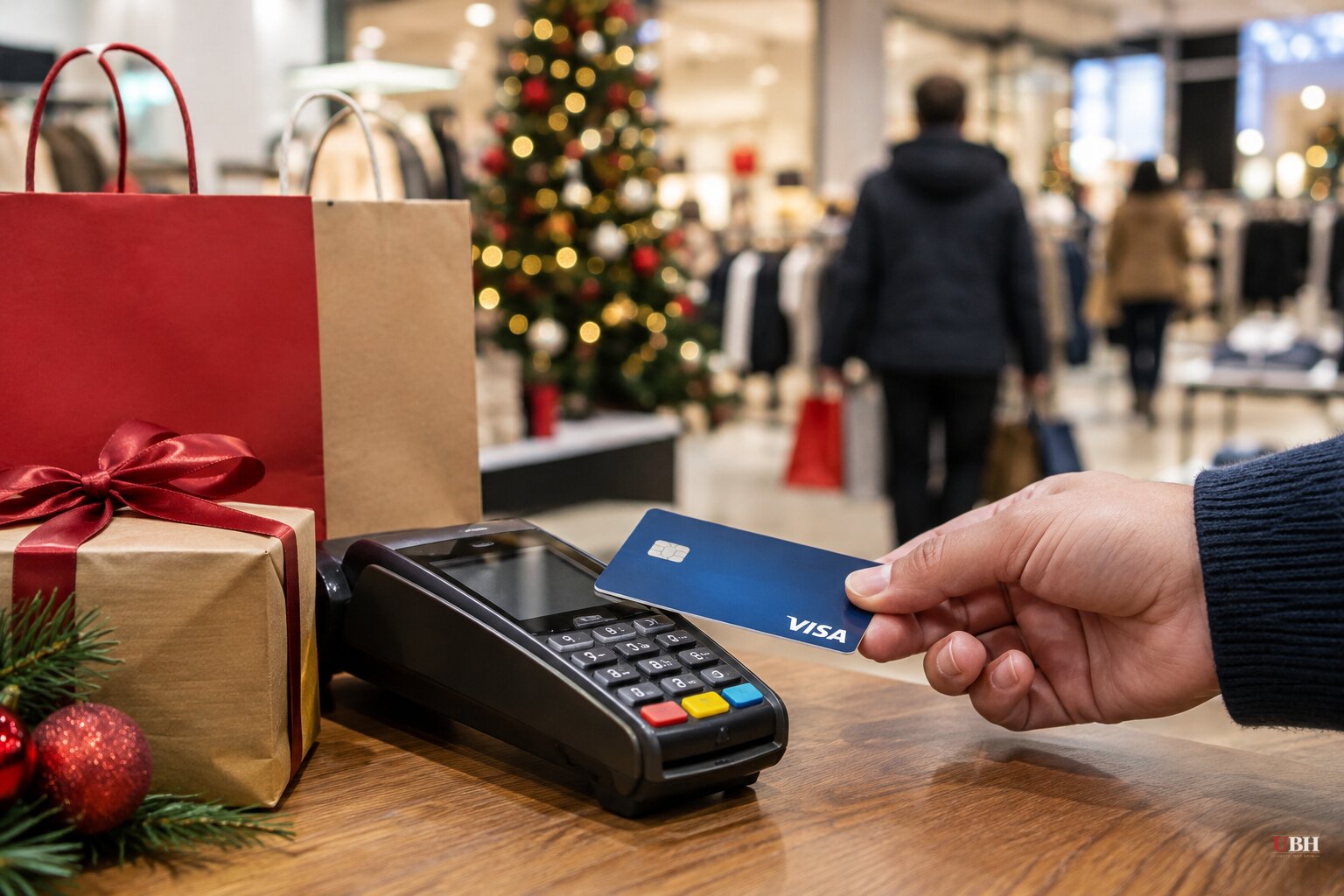
Since the National Retail Federation set its holiday forecast on Oct. 15, three more outlooks from Visa, Adobe and Deloitte have filled in the picture. The topline numbers agree. What remains unclear is how much of the growth is real.
The numbers
The NRF forecasts November-December retail sales will rise 4.2% from 2025 to $1.013 trillion. That figure covers core retail, which excludes auto dealers, gas stations and restaurants.
Visa is a little higher. Its economists project 4.5% growth, the strongest holiday gain since 2021, according to a report the company released Thursday, Nov. 5.
Adobe is forecasting $275.1 billion in U.S. online holiday spending, up 6.7%.
Inflation takes most of the gain
Visa's report is blunt about what is behind its number. The company expects prices for holiday-related goods to rise 3.4%. That leaves inflation-adjusted spending growth at 1.1%, down from 1.3% last season.
"Higher inflation will inflate holiday spending," the report's authors wrote.
The NRF reads the season differently. "This year's forecast reflects our confidence that consumers will prioritize the holiday season even as they remain mindful of their budgets," NRF President and CEO Matthew Shay said. The federation has also warned that inflation, rising gas prices and household spending pressure will hit income groups differently.
Deloitte's survey backs up the price concern: 79% of respondents expect higher holiday prices.
Bigger budgets, tighter choices
Visa's 2026 Holiday Spending Shift Survey, which polled more than 1,000 U.S. adults in late September, found shoppers plan to spend an average of $777 on gifts. That is up 5.6% from $736 last year.
About one-third of respondents earning under $100,000 said they plan to switch to cheaper brands or stores. "Consumers are still spending, but they're making deliberate choices about where their holiday dollars go," said Michael Brown, Visa's principal U.S. economist.
Retailers also get one extra shopping day this year compared with last, which Visa expects to add a modest boost.
Travel is a luxury this year
Visa analyzed anonymized credit-card transactions for airline tickets booked in September for departures between Nov. 1 and Jan. 15, 2027. Households earning more than $200,000 were the only income group that increased both holiday airfare bookings and spending.
"Nearly every other income group pulled back sharply, suggesting that high costs are increasingly limiting holiday travel to only affluent households," the economists wrote.
Visa says that could help retailers, since households skipping trips may spend more on gifts. More than half of its respondents put travel and live events at the top of their wish lists. Only 15% said they were prioritizing experiences, compared with 27% prioritizing physical gifts.
Shopping earlier, with help from AI
The NRF's survey of 8,094 adults, conducted Oct. 1 to 7 with Prosper Insights and Analytics, found 43% of holiday shoppers plan to start before November. That compares with 42% in 2025. Among early shoppers, 50% said they start early to spread out their budgets.
Deloitte's 2026 Holiday Retail Survey found 49% of Gen Z and 50% of millennials name generative AI as their primary tool for at least one holiday-shopping task. That compares with 35% of Gen X and 23% of baby boomers. Gen Z and millennials account for half of expected holiday spending for the first time in Deloitte's survey.
The trust has limits. Only 16% of Deloitte's respondents would let generative AI complete a purchase with their permission.
Adobe expects traffic from AI chat and browser services to U.S. retail sites to rise 130% year over year in November and December. It forecasts increases of 159% on Thanksgiving, 95% on Black Friday and 88% on Cyber Monday. Adobe counts clicks on links, not purchases. None of the forecasts says AI is causing the sales growth.
What comes next
The first real data point arrives with Thanksgiving on Thursday, Nov. 26, followed by Black Friday on Nov. 27 and Cyber Monday on Nov. 30. Those are the days Adobe singled out for its AI-referral projections. They will show whether shoppers are spending the extra dollars Visa's survey says they plan to, or whether price increases are doing most of the work, as Visa projects.
Sources used for this briefing
6 links from 6 independent newsrooms (syndicated copies of the same report count once)
These are the sources it draws on, linked so you can verify.


