
Unbiased headlines. Facts, not spin.
Unbiased Headlines is an independently owned news organization. We bring you the facts, not opinions, written fresh from 110+ named sources. Sources linked so you can verify it yourself.
 politics
Breaking / Critical (9/10)
Event date: October 21, 2026 ·
Hegseth Meets Netanyahu in Unannounced Visit on Eve of Israel's Election as Iran Strike Talk Builds
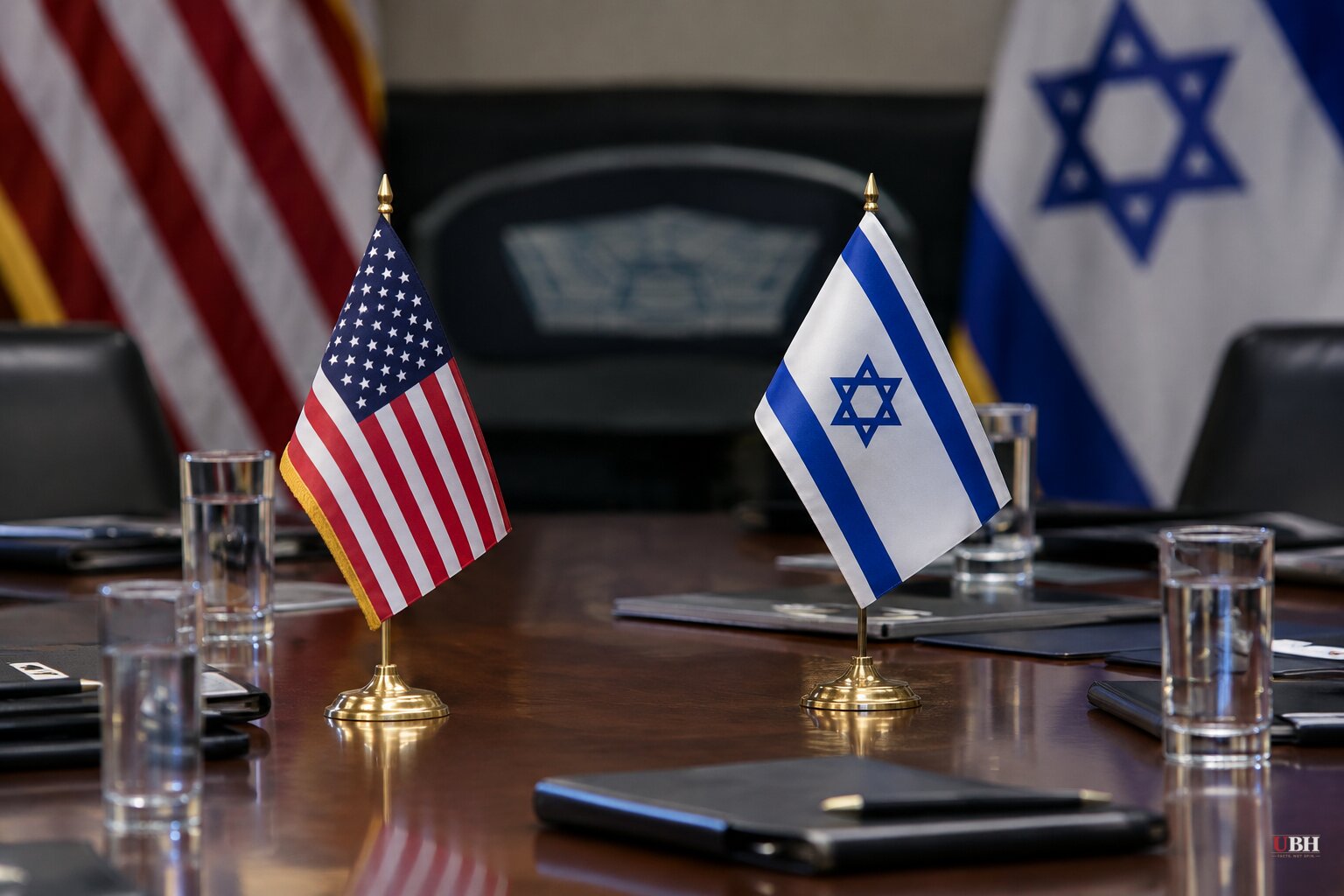
Israelis vote Tuesday, Oct. 27, and the Iran war is now tangled up with the campaign.
War Secretary Pete Hegseth met privately with Prime Minister Benjamin Netanyahu in Israel in an unannounced visit, Axios reported, citing sources. The outlet said the meeting came just days before the election and as both countries discuss potentially resuming military operations against Iran. A Pentagon spokesperson declined to comment.
Iran hangs over the final stretch
The U.S.-Israeli war on Iran began in February. The aerial campaign destroyed many military targets and killed much of Iran's leadership, according to the BBC's account. It did not topple the regime, which hit back across the Gulf and seized control of the Strait of Hormuz and the energy that flows through it.
Netanyahu has used the campaign to talk up a fresh attack. He has made new claims about Iran's nuclear threat without providing evidence, and says the Islamic regime must be overthrown.
President Trump has publicly backed him. In an endorsement last week, Trump called Netanyahu "a Great Warrior Prime Minister" and wrote: "If Israel has the wrong Leader, which would be anyone other than Bibi, America will have to do this work ourselves, and I am not inclined to do so." He has also said both men should "soon finish the job" in Iran.
There are contradictory reports on timing. Some say Trump intervened to stop Netanyahu from striking Iran before polling day, fearing an energy price spike would remind U.S. voters of a war that is unpopular at home. Israeli media is full of speculation that an attack could come after the vote, or that Netanyahu could try to use one to improve his survival odds.
Trump's own rhetoric has stayed hot. In remarks in Kansas, he accused the Iranian regime of killing Americans with roadside bombs and claimed it has killed "75,000 minimum protesters" in eight months. He also described his request for NATO help on Iran as a test of allies' willingness, saying the help wasn't needed.
Iran's IRGC is pushing back. Its spokesperson Hossein Mohebbi said seven major cables run beneath the Strait of Hormuz and carry the world's internet and commercial data, adding: "We are reminding the enemy of this so they know," according to Iran International.
Oil remains expensive. Reuters put Brent crude at a settle of $109.55 a barrel and U.S. West Texas Intermediate at $103.66, the highest WTI close since Sept. 15.
A vote that may not settle anything
Neither bloc is close to the 61 seats needed in the 120-seat Knesset. Israelis elect parties, not a prime minister, and weeks of coalition bargaining usually follow. Parties must clear a 3.25% threshold to win seats.
The race has narrowed to Netanyahu's Likud against Gadi Eisenkot's centrist Yashar party. Eisenkot, a former IDF chief of staff who resigned from Netanyahu's wartime cabinet accusing him of lacking a clear strategy, is campaigning on integrity and restoring Israel's democratic foundations, and has criticized Netanyahu's handling of the Oct. 7 failures. He also supports requiring broader military service. A Walla poll published Oct. 20 projected Yashar winning 23 seats to Likud's 19, with Naftali Bennett's B'Yachad at 14, though neither bloc has shown a consistent path to 61. Yair Lapid also competes for anti-Netanyahu voters.
Smaller parties may decide the outcome, including Itamar Ben-Gvir's Jewish Power, the Orthodox parties Shas and United Torah Judaism, Avigdor Lieberman's Yisrael Beiteinu, Yair Golan's Democrats, and the Arab parties Ra'am and the Joint List.
Some analysts argue the stakes for policy are smaller than the rhetoric suggests. Jacob Stoil and Caroline Donahue, writing from the U.S. Army's academic community, say the major blocs remain largely aligned on security: Iran as the primary security threat, Hezbollah must not reconstitute military capabilities, and Hamas cannot be left as a dominant military force in Gaza. They note the opposition is, if anything, more skeptical of Netanyahu's negotiated ceasefire frameworks in Lebanon and Gaza. Their assessment is that the elections will have far less impact on Israel's regional defense policies than external observers might assume, and that pre-election polling suggests an inconclusive result, with the current government remaining in a caretaker role until another round of elections can be held.
They also note this is the first time a sitting U.S. president has directly endorsed an Israeli candidate.
The American angle
The vote is tied to American politics, with U.S. midterms a week later. Marc Zell, chairman of Republicans Overseas Israel, estimates about half a million Israelis hold U.S. passports and can vote in both elections. He told the BBC he expects about 10,000 absentee ballots from Israel in Michigan's Senate race, and said "They can really make a difference." That is his estimate, not an official count.
U.S. opinion of Israel has cooled. The Chicago Council on Global Affairs found Americans rate Israel 44 degrees on a 0-100 scale, the lowest in its polling since 1978. A combined 56% say U.S. military aid should be decreased (21%) or stopped (35%). Republicans continue to express support, while majorities of Democrats and independents prefer reducing or cutting aid.
The open question after polls close is whether any coalition emerges quickly enough to make a decision on Iran, or whether a caretaker Netanyahu government, backed by Trump's endorsement, holds that authority through weeks of bargaining.
Sources used for this briefing
7 links from 7 independent newsrooms (syndicated copies of the same report count once)
These are the sources it draws on, linked so you can verify.


