
Unbiased headlines. Facts, not spin.
Unbiased Headlines is an independently owned news organization. We bring you the facts, not opinions, written fresh from 110+ named sources. Sources linked so you can verify it yourself.
 politics
Major Story (8/10)
Event date: October 22, 2026 ·
Federal Judge Restricts DHS Noncitizen Voter Probes in 9 States Through Nov. 3, Citing Error-Prone Data
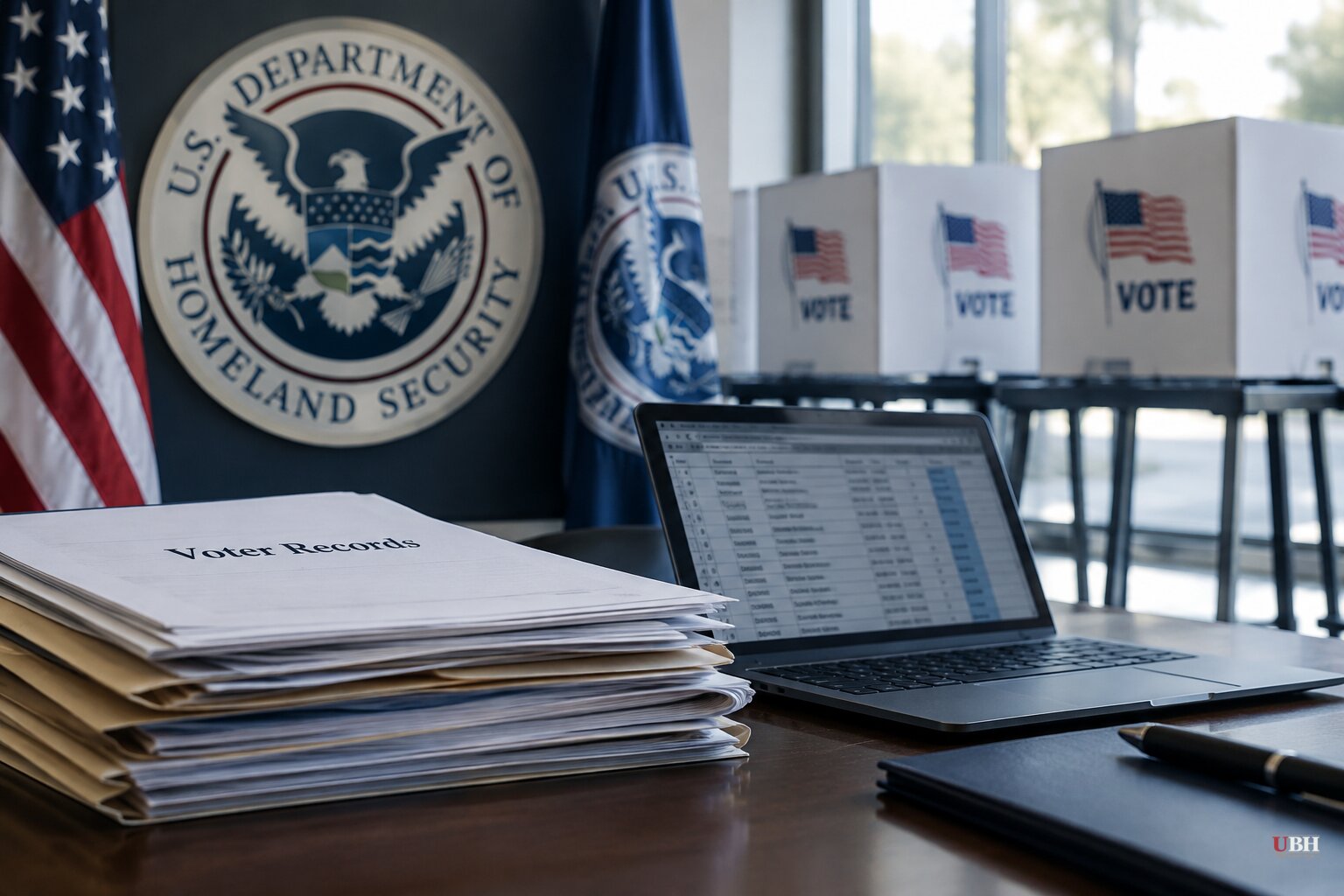
Since DHS investigators began a "surge" phase of their noncitizen voter hunt in late August, the effort has swept up lists of voters that a federal judge now calls "voluminous and unreliable."
U.S. District Judge Araceli Martínez-Olguín of Oakland ruled Wednesday, Oct. 21, that the investigations should be halted in nine states until polls close on Election Day, Nov. 3. The states are California, Connecticut, Georgia, Missouri, Nevada, New York, Pennsylvania, Washington and Wisconsin.
She put her own order on hold until Friday, Oct. 23, to give the administration time to file an appeal.
What the order actually covers
The word "halt" in many headlines overstates it. According to the order's terms, it limits what DHS does in the field, such as interviews, and bars those actions when the agency believes the person targeted could be a U.S. citizen.
The judge also wrote that investigations do not need to target U.S. citizens, use armed agents, or intimidate citizens who are urging others to vote.
Her reasoning was narrow. She based the ruling on the plaintiffs' claim that the probe is harming voter assistance and mobilization work by citizens. She did not find that union members' own right to vote was being infringed, because most of them vote by mail.
The plaintiffs are the California Nurses Association, National Nurses United, the Voto Latino Foundation, San Francisco and Santa Clara County.
The data problem
The judge's core finding is about inputs. "Even under the best conditions, there is a high likelihood of error in review because there is no federal database containing citizenship status of U.S. residents," she wrote.
She added that "the time limitations implemented during the Surge further exacerbate the risk of error." During that phase, agents were ordered to finish reviews of flagged individuals in no more than 12 minutes per person to decide whether they were legally qualified to vote.
Her order says DHS's data alleging hundreds of thousands of possible illegal voters "is widely known to inadvertently include U.S. citizens." She wrote that this "leaves citizens afraid that their name will be wrongly included in the hundreds of thousands identified for investigation."
Legal filings in the case show investigators were told to target naturalized citizens to check whether they voted before they were naturalized. The lists came from state and local governments and publicly available information.
The Justice Department has demanded unredacted voter roll data from states and has sued the 30 states that refused to hand it over. It has lost each of those cases so far. The judge noted that, for states that refused, the administration tried to get the data through "unreliable commercial versions of voter roll data."
DHS and the plaintiffs
DHS responded by email Thursday, Oct. 22. The agency said it is focused on "removing aliens who vote and dilute the votes of U.S. citizens." It added: "We have no plans to question or investigate people we believe to be U.S. citizens."
That statement and the order are not far apart on paper. The dispute is over who DHS believes is a citizen and how it decides.
Beau Tremitiere, an attorney at Protect Democracy, which represents the groups that sued, told CNN the order is "a serious protection: the current policy targets known naturalized citizens." He said those operations are prohibited and that the order "should otherwise force DHS to stop presuming many others are viable targets when there are indicia of citizenship."
Noncitizen voting is illegal, and enforcing that law is a legitimate federal job. It is also rare, as the administration's own investigations have shown. The Unlawful Voter Initiative became public after Senate Democratic Leader Chuck Schumer and Sen. Alex Padilla released a whistleblower report describing the operation's scale.
The order does not ban investigations of actual noncitizens. It targets a method: huge lists from patchy sources, reviewed in minutes, with field agents knocking on doors. A federal judge found that method likely to ensnare citizens. DHS says it is not looking for citizens.
What comes next
The order was set to take effect Friday afternoon, Oct. 23, and to run through the midterms unless an appeals court intervenes. Whether the administration has sought emergency relief, and how the Ninth Circuit rules if it has, will decide whether DHS agents are restricted in these nine states for the final days before Nov. 3.
Sources used for this briefing
7 links from 7 independent newsrooms (syndicated copies of the same report count once)
These are the sources it draws on, linked so you can verify.


