
Unbiased headlines. Facts, not spin.
Unbiased Headlines is an independently owned news organization. We bring you the facts, not opinions, written fresh from 110+ named sources. Sources linked so you can verify it yourself.
 politics
Major Story (8/10)
Brazil's Electoral Court Declares Lula Runoff Winner by Nearly 4.4 Million Votes After Two-Hour Voting Extension
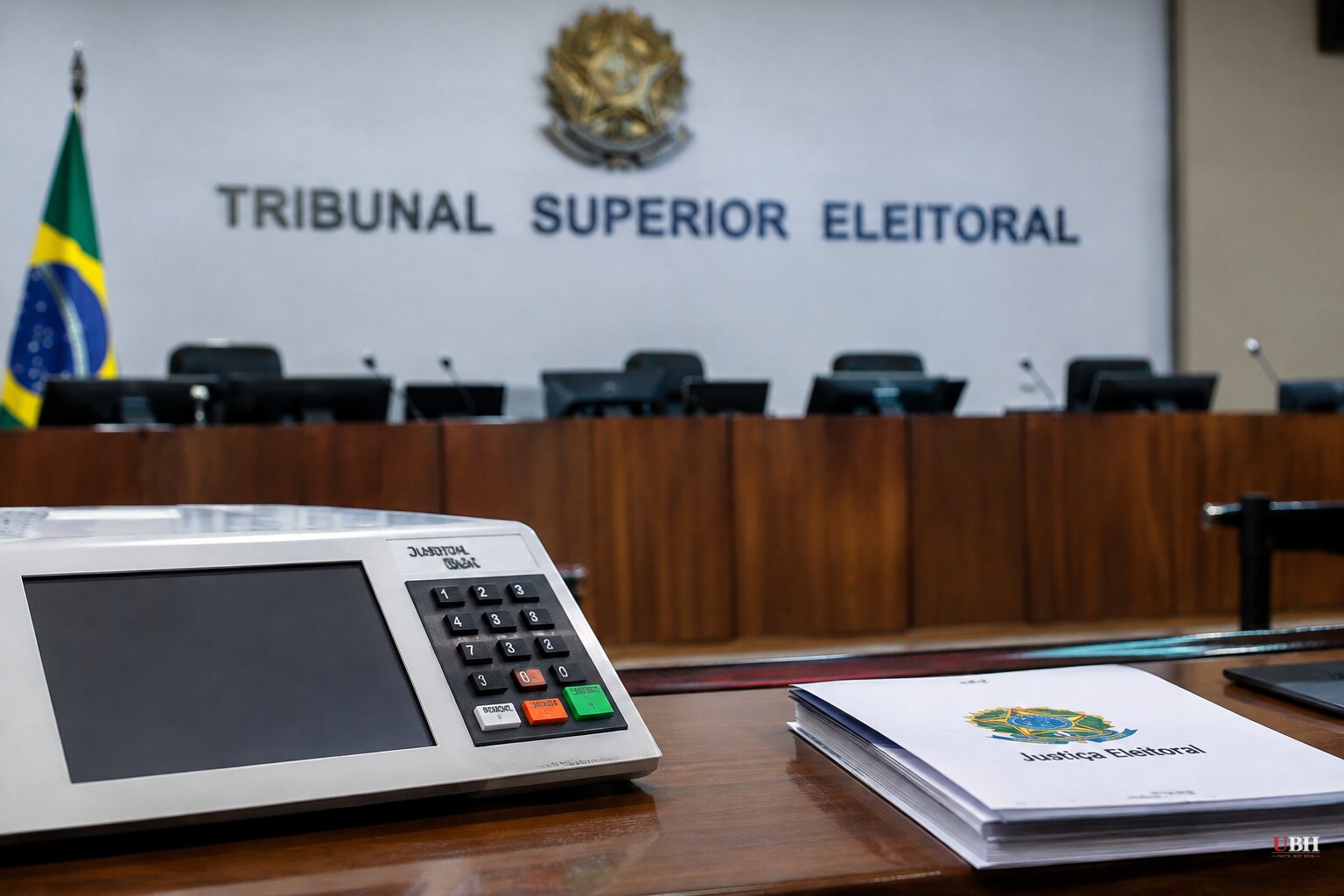
Since Justice Cristiano Zanin extended Brazil's runoff voting by two hours on Sunday, Oct. 25, the count has finished, and the electoral court has named a winner: President Luiz Inácio Lula da Silva.
Shortly after 9:00 p.m. Brasília time, Brazil's Superior Electoral Court called the race for Lula. With 100% of ballots counted, the court announced he held an unassailable lead of nearly 4.4 million votes over Flávio Bolsonaro. Lula finished above 51% to Bolsonaro's roughly 48%.
The pollster Datafolha had projected a Lula win before the court made it official.
A comeback no one had pulled off
Bolsonaro won the Oct. 4 first round with 47% to Lula's 45%, a gap of about 2.2 million votes. Neither cleared the 50% needed to win outright.
No second-place finisher in a first round had won the presidency since Brazil's military dictatorship ended in 1985. Lula now has that distinction. He will serve a fourth non-consecutive term, with inauguration set for Jan. 5, 2027. He turns 81 on Tuesday.
The polls had leaned the other way. Bolsonaro led some recent surveys by narrow margins, and Brazil had elected a conservative congress aligned with the Bolsonaro agenda.
Where the votes moved
Bolsonaro carried Rio de Janeiro, São Paulo, Paraná and Rio Grande do Sul. He won each by a smaller margin than in round one.
The Northeast again delivered for Lula. The decisive shift came in Minas Gerais, the bellwether state. Bolsonaro won it 48.43% to 43.33% in the first round. In the runoff it was essentially tied.
Bolsonaro had endorsements from three first-round candidates: author Augusto Cury, former Minas Gerais Governor Romeu Zema and former Goiás Governor Ronaldo Caiado. It was not enough to hold his first-round edge.
The extension and the dispute around it
Zanin ruled three minutes before polls were scheduled to close, keeping them open until 7 p.m. Brasília time. Both campaigns had asked for it.
Lula's request followed problems with buses carrying voters to polling places in São Paulo and Salvador, two cities that tend to favor the incumbent. Bolsonaro's request cited heavy rains in the south, where he is favored.
Lula's allies went further. They accused Bolsonaro supporters of cutting public transport in some areas to dampen turnout among the president's working-class base. That is an accusation from Lula's camp. The sources do not report any investigation or finding.
The late ruling produced confusion on the ground. In Brasília, volunteers overseeing the count at a school debated whether to stay after the extension was announced. Most left 15 to 20 minutes after the original closing time, once they had passed count information to electoral authorities.
At a polling station in Rio de Janeiro, voting machines had already been switched off minutes after the scheduled close and could not be turned back on. The Associated Press reported it was unclear how many polling stations stayed open past the original deadline, and that the ruling may trigger legal action by Bolsonaro.
It remains unclear whether any station turned voters away or closed early, and whether that could matter against a margin of nearly 4.4 million votes. Both sides asked for the extension, which complicates any challenge built on it.
The U.S. angle
The result matters in Washington. Bolsonaro campaigned on closer ties with the Trump administration and promised better deals with it. Lula criticized U.S. tariffs on Brazilian exports and the designation of drug-trafficking groups as foreign terrorist organizations.
Right-of-center leaders allied with President Donald Trump have won in Peru, Colombia, Argentina, Bolivia and Ecuador. Lula's win leaves Brazil and Mexico, Latin America's two most populous countries, under left-of-center leaders. Brazil's economy is about $2.6 trillion a year.
Jair Bolsonaro, Flávio's father, is serving a 27-year sentence for plotting a failed coup after losing the 2022 election to Lula. He endorsed his son and had hoped to be released if he won.
Lula's campaign had been boosted by large, student-led anti-Bolsonaro protests after the first round.
The next step is the formal confirmation process by electoral authorities ahead of the Jan. 5, 2027 swearing-in. Any legal action over Zanin's extension would have to come before then.
Sources used for this briefing
5 links from 5 independent newsrooms (syndicated copies of the same report count once)
These are the sources it draws on, linked so you can verify.


