
Unbiased headlines. Facts, not spin.
Every story is an unbiased news briefing written from 110+ sources across the spectrum — sources linked so you can verify it yourself.
 defense
Major Story (7/10)
July 3, 2026 at 03:11 AM
defense
Major Story (7/10)
July 3, 2026 at 03:11 AM
Hegseth Had a Larger Europe Troop-Cut Plan Ready. Rubio Killed It Before NATO Heard It.
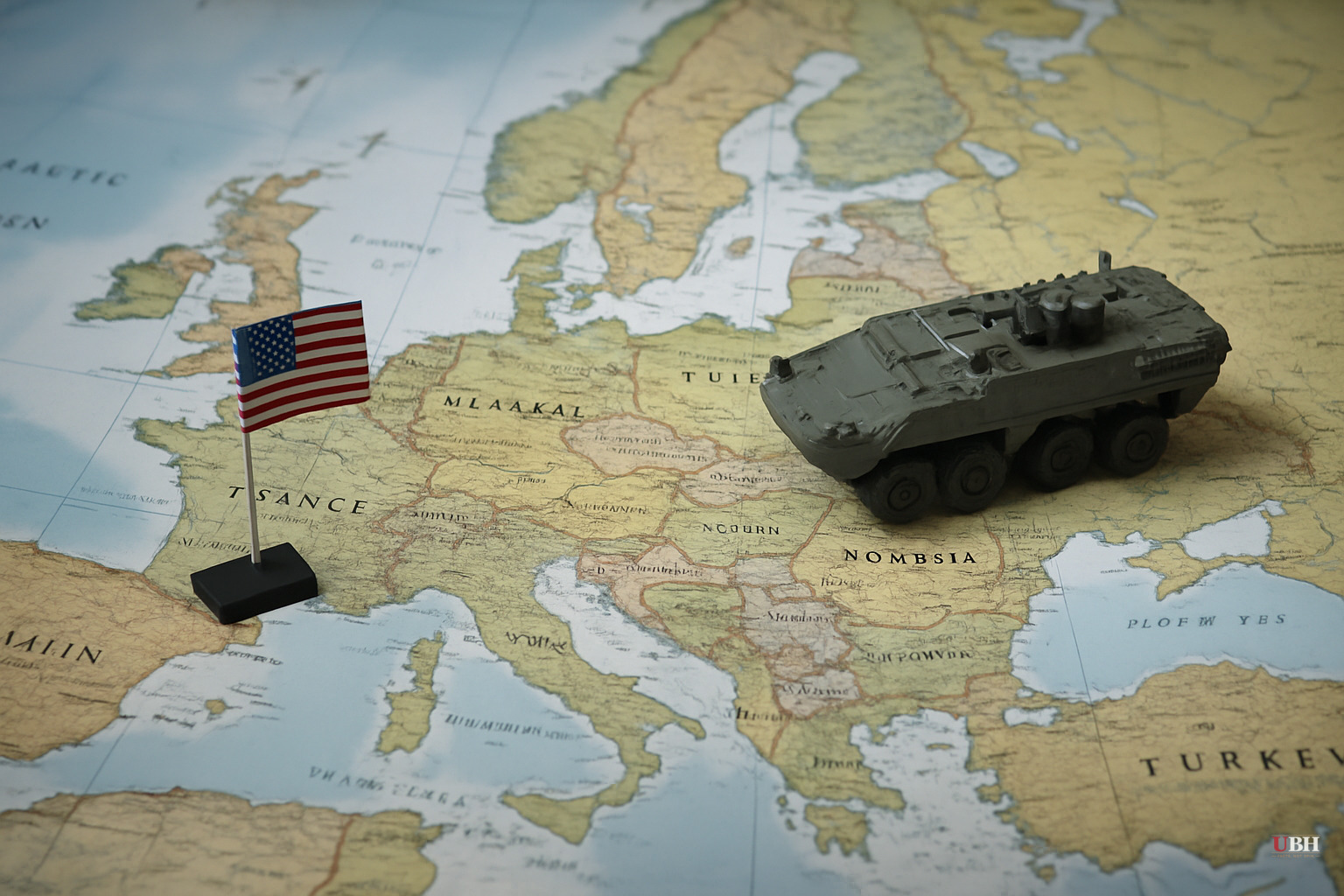
Since Pete Hegseth ordered roughly 5,000 U.S. troops out of Europe and froze reinforcements to Poland, the Europe drawdown has appeared settled. Instead, according to The Wall Street Journal, Hegseth had prepared a separate, broader plan for additional reductions in U.S. troop levels across Europe — one that went beyond both the canceled deployment of an armored brigade to Poland and the earlier withdrawal of an infantry brigade from Romania. He intended to announce it directly to NATO's top military officials during a meeting of the alliance's military chiefs in Brussels last month.
The proposal was shelved after it was shared with Secretary of State Marco Rubio, who also serves as President Trump's national security adviser, along with other senior officials. Rubio and the others did not let it go forward. Anadolu Agency reported the Wall Street Journal's account on July 3, 2026.
What Hegseth Was Planning
The sources cited by the Journal — described as people familiar with the matter — did not specify exactly how many additional troops the proposal would have covered, or from which countries or bases. What is clear is that the scope exceeded anything already announced.
The canceled Poland armored brigade deployment and the Romania infantry withdrawal were already significant signals to Eastern European allies. A third, broader tranche announced in Brussels to NATO military chiefs would have been a different kind of message entirely, delivered to the alliance's uniformed leadership in real time.
Hegseth never got to deliver it.
An Internal Check, Not a Reversal
Rubio reviewed a proposal, found it went too far, and stopped it. That is what national security advisers are supposed to do. No troops were moved, no announcement was made, and the alliance's military chiefs left Brussels without hearing the broader plan.
Critics of the drawdown posture, including many in NATO's Eastern flank countries, will read this differently. The fact that Hegseth had the plan ready and was prepared to announce it in Brussels suggests the impulse to cut further than publicly acknowledged was real, not hypothetical. The interagency check slowed it; it did not necessarily end it.
Hegseth Spends Thursday in D.C.
While the Europe troop plan was reported Thursday, Hegseth spent part of the day at a domestic ceremony: the Trump administration's D.C. Safe and Beautiful Task Force event honoring National Guard troops deployed to Washington. The event was disrupted by demonstrators outside Meridian Hill who chanted "Guard go home" and "D.C. is a sanctuary, we don't need the military," according to Daily Wire reporting from the scene.
Hegseth addressed the protesters directly from the podium, calling them "ingrates" who are "so blinded by ideology they can't see law and order and common sense in front of them." He framed the National Guard deployment as nonpartisan. "Law and order is something all Americans deserve. Black, white, rich, poor, man or woman, from D.C. or far-flung places in this country," he said.
Administration officials at the ceremony pointed to declines in violent crime and other major crime categories since the Guard's deployment began.
At home, Hegseth is defending a domestic military deployment as common-sense public safety. In Europe, he was preparing — until Rubio intervened — to announce a broader pullback of American forces from an alliance whose eastern members are watching Russia grind through Ukraine.
The Unresolved Question
The Journal reported the plan was shelved, not discarded permanently. Whether the proposal reflects Hegseth's settled view of the right U.S. force posture in Europe, and whether it surfaces again in Brussels, in a budget document, or in a presidential directive, remains unclear now that the first round of cuts has been absorbed without a formal NATO rupture.
Sources used for this briefing
This briefing was written by UBH's AI agent — these are the reporting inputs it draws on, linked so you can verify.


