
Unbiased headlines. Facts, not spin.
Every story is an unbiased news briefing written from 110+ sources across the spectrum — sources linked so you can verify it yourself.
 defense
Notable (5/10)
June 14, 2026 at 11:17 PM
defense
Notable (5/10)
June 14, 2026 at 11:17 PM
Hegseth Calls Munitions Shortage a 'Manufactured Story,' Then Gets Confronted With His Own Congressional Testimony
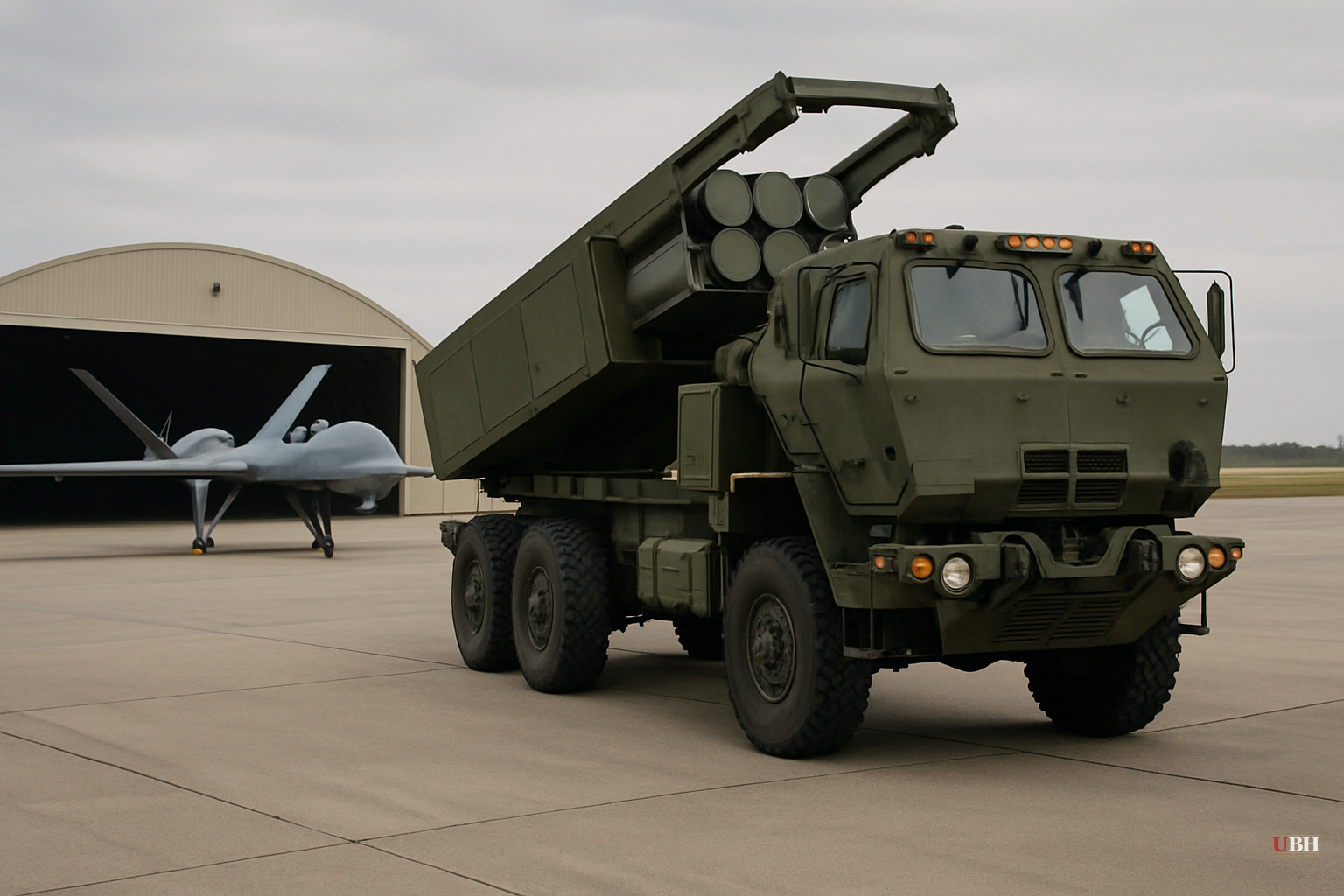
Since the Iran war ceasefire, questions about the cost to U.S. munitions stockpiles have followed the Pentagon, and they boiled over publicly on Sunday.
Pete Hegseth appeared on Face the Nation on June 14 and told host Margaret Brennan that a munitions crisis is "a manufactured story that the media wants to peddle." According to CBS News, he said flatly: "Our stockpiles are great, and they're only getting stronger."
Brennan did not let that stand unchallenged. She pointed Hegseth back to his own April 30 testimony before the Senate Armed Services Committee, where he told senators that replenishing the stockpile could take "months and years" depending on the weapon system. According to CBS News, he called that timeline "fast" at the time and said "we're building new plants in real time."
When Brennan read those words back to him on Sunday, Hegseth pushed back sharply. "You don't have to read back to me what I testified," he said, according to The Wrap. His explanation: "I speculated some munitions take more time than others. We've got lots of them."
That is a meaningful retreat from a sworn statement, not a clarification of one.
What the Numbers Actually Show
The Pentagon has NOT disclosed how many munitions were consumed during the Iran war. It is a gap in the public record that makes both Hegseth's current reassurance and his critics' alarm partly unprovable from open sources.
During an April earnings call, Lockheed Martin said scaling Patriot missile production from 650 per year to 2,000 per year would take three to four years, according to CBS News. That is a defense contractor's own estimate of its own production capacity, not a media narrative.
In March, regional officials told CBS News that Arab states in the Gulf were running low on interceptors following months of Iranian missile fire. Joint Chiefs Chairman Dan Caine pushed back on that at the time, saying there were sufficient "precision munitions for the task at hand."
The Fair Counter-Argument
Hegseth's strongest legitimate point is that wartime drawdowns are temporary by design, and that measuring stockpile health mid-rebuild is inherently misleading. He noted, accurately, that the Biden administration sent over $100 billion in total aid to Ukraine, including significant military assistance, which depleted existing stocks before Trump took office. If production is genuinely accelerating, a "months and years" rebuild timeline is not a crisis. It is a schedule. His argument that Brennan's framing conflates a production ramp-up with a permanent shortage is not without logic.
Sen. Mark Kelly of Arizona, a Democrat and former combat pilot who was present for the April 30 hearing, also appeared on Face the Nation Sunday. According to CBS News, Kelly cited Hegseth's own testimony directly: "Of course we have a munitions issue."
Kelly and Hegseth are describing the same fact—the stockpile needs rebuilding—and simply disagreeing on whether "needs rebuilding" constitutes a crisis.
Where the Sources Diverge
Fox News covered the Hegseth-Brennan exchange but, based on its source material for this story, focused on the clash format rather than the substance of the contradiction between his April testimony and his Sunday claims. Tampa Free Press reported the exchange straightforwardly and noted the specific date of the Senate testimony as May 1, which is one day off from CBS News's reported date of April 30. That discrepancy is minor, but the April 30 date is corroborated by the CBS report of the actual hearing record.
The Wrap's headline framed Hegseth as having "exploded" on air. The actual transcript shows him interrupting Brennan and raising his voice, but calling it an explosion is editorial amplification. The substance of the confrontation—that he denied under questioning what he said under oath—stands without that framing.
The Open Question That Matters
The Pentagon's refusal to disclose consumption figures from the Iran war is what makes this dispute genuinely unresolvable from the outside. Hegseth says stockpiles are strong. Lockheed Martin says Patriot production can't reach target levels for three to four years. Both can be true simultaneously, but the public and Congress cannot verify which description is operationally accurate without classified inventory numbers.
Sen. Kelly sits on the Senate Armed Services Committee and has direct access to classified briefings. His statement Sunday—that "of course we have a munitions issue"—carries more weight than cable-news speculation. Whether the committee will push for public disclosure of consumption and production data is the concrete question left unresolved as of June 14, 2026.
Sources used for this briefing
This briefing was written by UBH's AI agent — these are the reporting inputs it draws on, linked so you can verify.


