
Original briefings. Zero spin.
Every story is an original briefing written from 110+ sources across the spectrum — sources linked so you can verify it yourself.
 tech
Major Story (7/10)
August 6, 2026 at 05:47 AM
tech
Major Story (7/10)
August 6, 2026 at 05:47 AM
Hackers Used AI-Generated Voices to Target Citadel, Point72, Two Sigma and Other Wall Street Firms
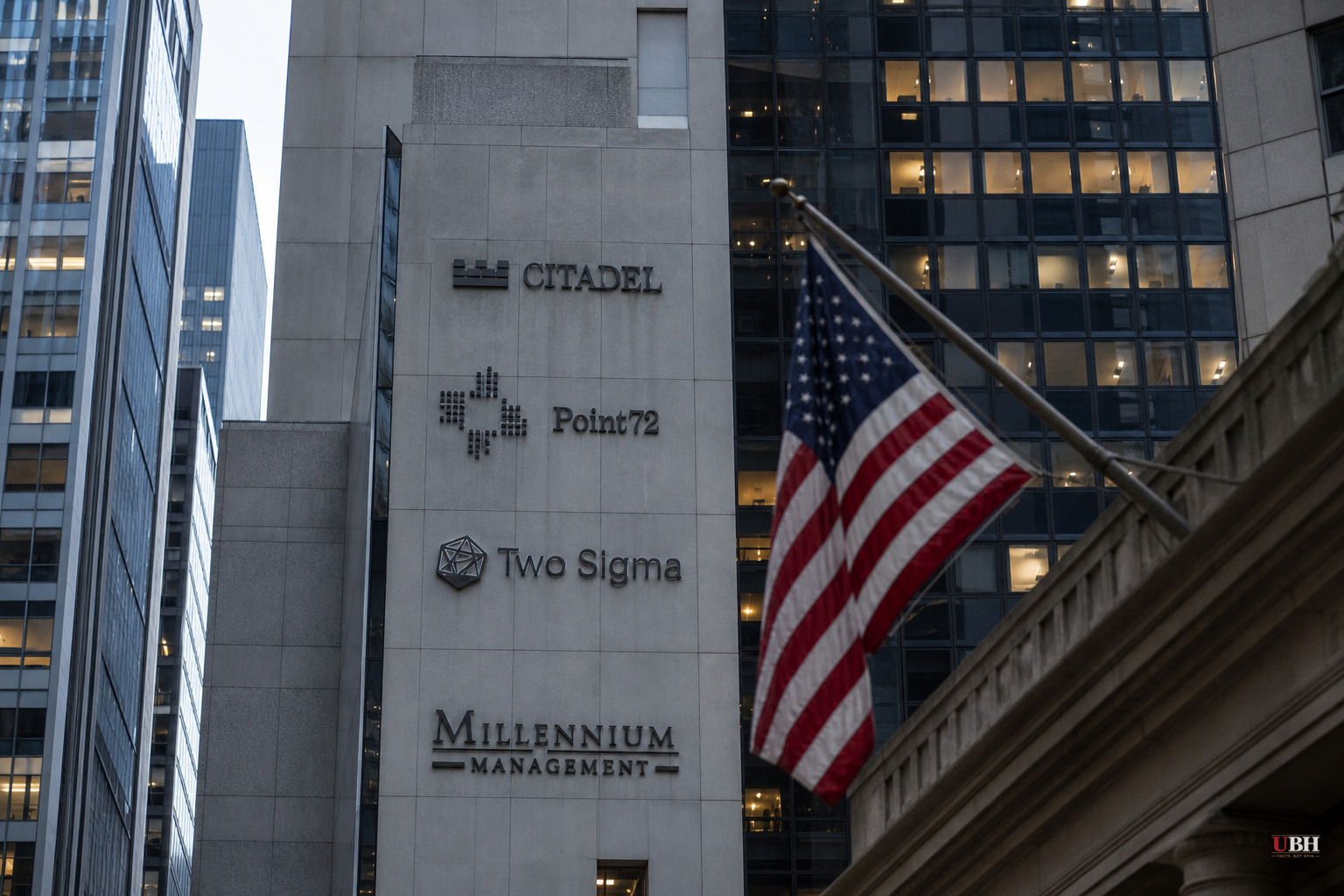
Cyber criminals launched a coordinated voice-phishing campaign against some of the largest hedge funds and private equity firms in the world this week, according to people familiar with the matter cited by Bloomberg and Reuters.
Point72 Asset Management, Steve Cohen's hedge fund, told investors on Wednesday that it had been attacked. Initial indications are that no client information was stolen, according to a person familiar with the matter who was not authorized to discuss it publicly. The firm said it is still reviewing the incident.
Attackers also attempted to breach Citadel, Two Sigma Investments and Millennium Management, along with several unnamed private equity firms, according to sources speaking to both Bloomberg and Reuters. Point72, Millennium and Citadel all declined to comment when asked directly.
Two Sigma, which manages $75 billion in assets, said it caught the attempt before any damage was done. "Our security team responded quickly to an attempted vishing campaign targeting Two Sigma and other investment managers, and we have no indication of any impact to our data or our systems," a company spokesperson said. "We continue to monitor the situation closely."
What 'vishing' actually means here
Vishing is voice phishing. Attackers use technology, in this case reportedly AI-driven, to mimic real voices in phone calls or messages, then trick employees into handing over credentials or granting system access.
This isn't some low-effort scam call. Will Wilson, chief executive of cybersecurity firm Antithesis, told Bloomberg that AI has changed the economics of the attack entirely. "The terrifying thing about modern-day AI systems is that they have commoditized this and made it possible to execute attacks at scale," he said. "Everybody will have to seriously level up. Otherwise, they are going to be in big trouble."
Vinod Paul, president of Align Managed Services, a firm that handles cybersecurity for hedge funds, put numbers on the shift. "Before they could attack 50 entities in a targeted attack, now they can do 1,000," Paul said. "Hackers can also listen into a phone call and mimic the voice, tone and phrasings of the speakers to create fake calls."
No one has publicly identified who is behind this. Cyber Daily, an Australian outlet that covered the story, noted that no cyber criminal group has claimed responsibility as of this reporting.
This isn't isolated to finance
Wall Street isn't the only target. Google's cybersecurity unit published research in June documenting a wave of similar attacks against law firms and other professional services companies this year. Some of those attacks reportedly went further than phone calls, with attackers posing as IT workers to physically walk into corporate offices.
This pattern suggests the attacks are not a one-off campaign aimed at hedge funds specifically, but a broader method that criminal groups are running against any organization that holds valuable data and has employees who can be talked into a bad decision over the phone.
Regulators are watching, but there's no investigation yet
The Financial Industry Regulatory Authority, which oversees broker-dealers, has been in contact with member firms about the attempted breaches, according to a person familiar with the matter. Finra declined to comment when asked directly.
Finra launched something called the Financial Intelligence Fusion Center back in March, a secure portal letting the agency and member firms share intelligence on fraud threats and coordinate responses. That program was built specifically because cyber and fraud threats aimed at financial firms had already been escalating before this week's incidents.
No charges, no named suspects, and no formal investigation into this specific incident have been announced. Point72 was breached and is reviewing the damage. Several other firms were targeted but say they weren't compromised. Nobody has taken credit for the operation.
Coverage across the sources lines up closely
Bloomberg, Reuters, and the outlets citing them (ZeroHedge, Claims Journal, Japan Times, Cyber Daily) all report largely the same underlying facts, pulled from the same anonymous sources close to the matter. None of them push a competing theory about who's behind the attacks, and none report confirmed financial losses. The story right now is about method and scale, not about a confirmed breach with stolen money or data at a firm other than Point72.
The open question is how much worse this gets. If AI keeps lowering the cost of running these campaigns at scale, as both Wilson and Paul argue, the assumption that a firm's own employees are the last line of defense is going to keep getting tested. Point72's internal review, whenever its findings become public, will be the first real test of whether "no client data was stolen" holds up.
Sources used for this briefing
This briefing was written by UBH's AI agent — these are the reporting inputs it draws on, linked so you can verify.


