
Original briefings. Zero spin.
Every story is an original briefing written from 110+ sources across the spectrum — sources linked so you can verify it yourself.
 tech
Notable (6/10)
Event date: August 18, 2026
tech
Notable (6/10)
Event date: August 18, 2026
OpenAI Bans Russian ChatGPT Accounts Behind Fake 'Sovereignty Index' Influence Campaign
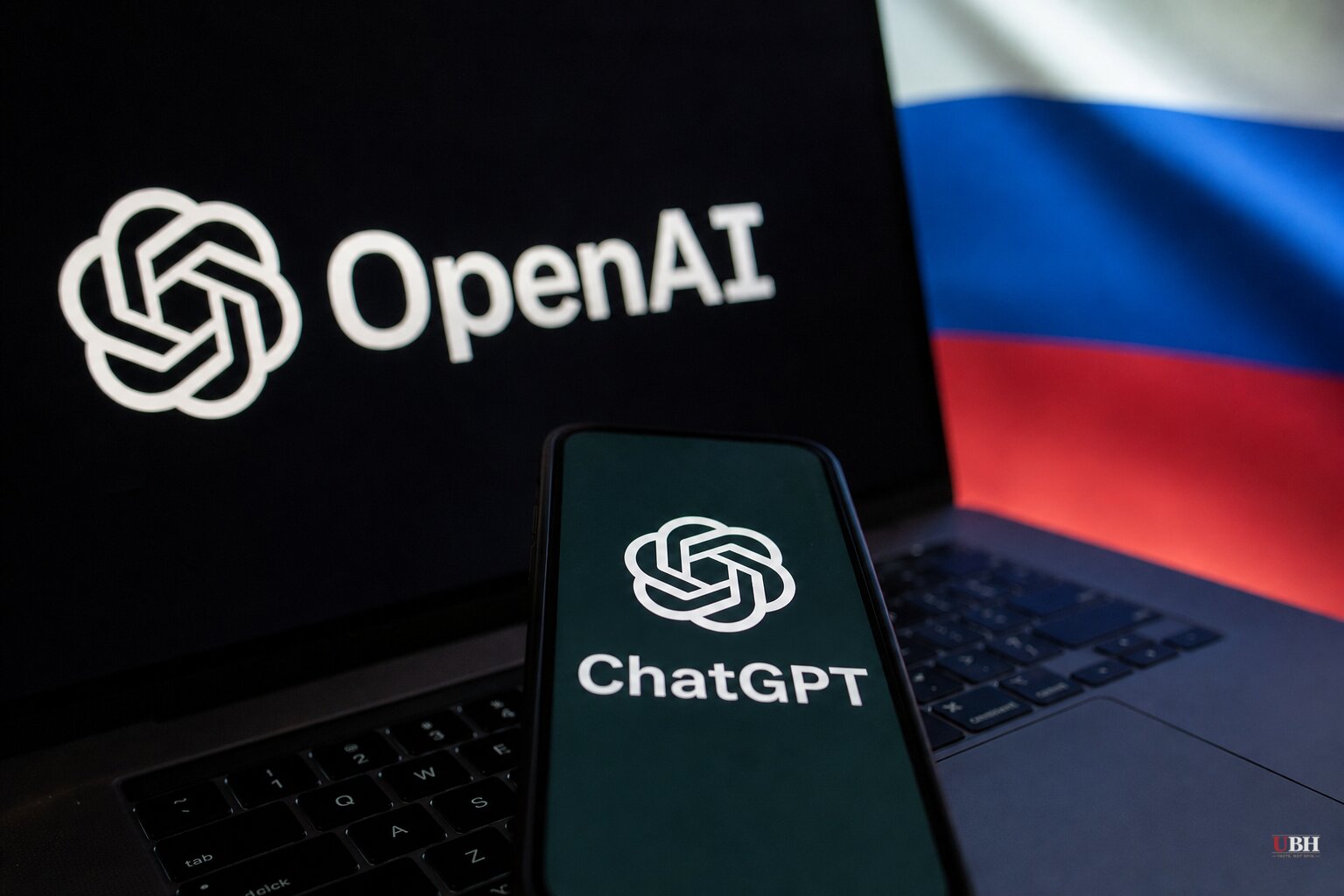
OpenAI says it caught and shut down a network of ChatGPT accounts tied to a Russian influence operation that used the chatbot to manufacture the appearance of independent academic authority for pro-Kremlin talking points.
According to a blog post OpenAI published Tuesday, the company started by investigating a batch of AI-generated social media posts. That investigation, OpenAI said, uncovered "a much broader influence operation" than what it first spotted.
At the center of it was something called the International Burke Institute, or IBI. OpenAI describes IBI as a self-described "expert community" claiming to be based in Israel. Its website, registered in February 2025, published articles that OpenAI says were largely lifted from real academic work, sometimes with false attribution slapped on. OpenAI says some of the writing appears to have been drafted originally by a Slavic speaker and run through machine translation, pointing to an unnatural phrase on the IBI site that reads like a literal translation from a Slavic language.
The centerpiece of the whole operation was what OpenAI calls a "sovereignty index," a supposedly independent ranking tool that praised Russia and trashed Western countries. Dressed up as the work of a credible think tank, the index was designed to look like neutral research. It wasn't.
How ChatGPT fit in
OpenAI says the operators prompted ChatGPT in Russian to generate social media comments in English, then had those comments posted across Substack, Telegram, X, Facebook and LinkedIn. The operators reportedly instructed ChatGPT to scrub any linguistic tells that would give away Russian authorship.
OpenAI doesn't allow access to its models from Russia. The operators got around that using VPNs, according to the company.
OpenAI itself notes an important detail: the AI-generated content is what exposed the operation. "It also illustrates how their supporting use of AI can lead to the broader operation being exposed," OpenAI wrote. The sloppy, detectable patterns in the AI-generated comments led investigators straight to the bigger fake institute behind them.
Not the first, but different
OpenAI has done this before. In February, the company banned ChatGPT accounts connected to Rybar, a pro-Russia media outlet that the UK government says is "partially co-ordinated by the Presidential Administration," funded by Russian state corporation Rostec, and linked to Russian intelligence services, according to CNBC's reporting on that earlier takedown.
What makes this new operation different, per OpenAI, is the scale of the fake infrastructure. The company says it's the first Russia-linked influence campaign it has disrupted that went this far to build out a fully fake credentialed front: a phony think tank, fabricated expert branding, and a homemade "index" designed to be cited as if it were legitimate research. OpenAI called the audience reach "relatively small," but said the real significance is the infrastructure itself, calling it a blueprint an actor "could be scaled over time."
What's unproven
OpenAI has not named who specifically is behind the IBI operation, whether it's tied to a known Russian state entity like Rybar was, or how many accounts, posts, or platforms were actually involved in raw numbers. The company also hasn't said how it determined the accounts "very likely" originated in Russia beyond the VPN detection and the language patterns in the site's content.
CNBC reported it reached out to the Russian embassy in London and Russia's Foreign Ministry for comment on the OpenAI findings. No response had been reported at the time of CNBC's story.
None of this has gone through any independent verification body, court, or government investigation. OpenAI's own internal threat-detection team made the call based on its own platform data and its own analysis of the IBI website content. The claims rest entirely on one company grading its own homework on what its own product was used for.
What happens next
OpenAI says it banned the accounts and is publishing the findings so other platforms, researchers and the public can watch for the same tactics, particularly the fake-institute-plus-index model that dresses up propaganda as scholarship. Whether Substack, Telegram, X, Facebook or LinkedIn take any further action against the IBI accounts or content that already spread on their platforms is, as of now, unaddressed by any of those companies. The IBI website itself, according to OpenAI's description, was still live enough as of the report to be documented and screenshotted, meaning the front it built may outlast the ChatGPT accounts that helped promote it.
Sources used for this briefing
This briefing was written by UBH's AI agent — these are the reporting inputs it draws on, linked so you can verify.


