
Unbiased headlines. Facts, not spin.
Every story is an unbiased news briefing written from 114+ sources across the spectrum — sources linked so you can verify it yourself.
 tech
Notable (5/10)
October 11, 2026 at 04:06 PM
tech
Notable (5/10)
October 11, 2026 at 04:06 PM
Greens demand right to sue big tech and revenue-based fines as Labor readies digital duty of care bill
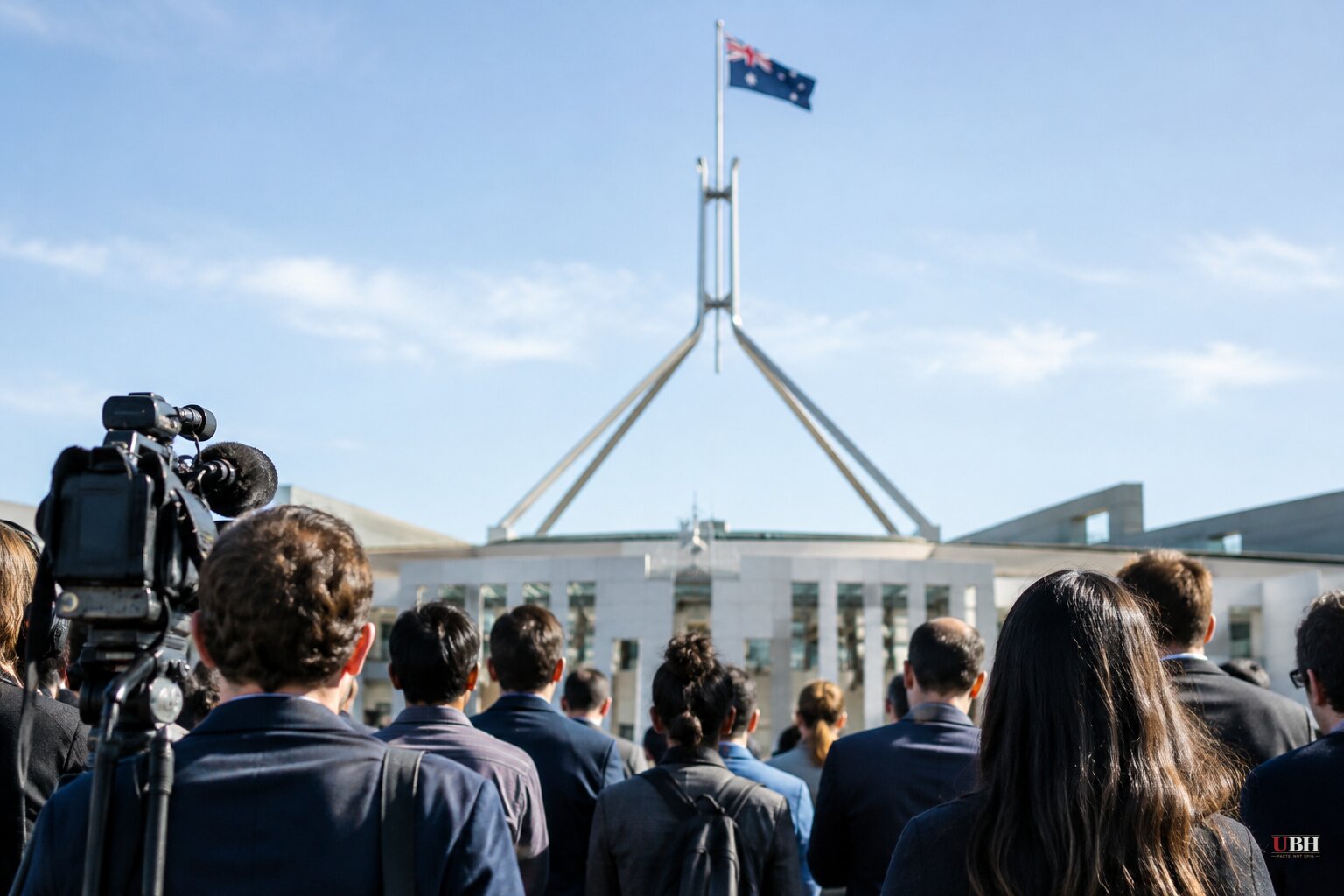
The Greens are putting a price on their votes for Labor's digital duty of care laws, and the price is a courtroom door.
The party wants individual Australians to be able to sue social media companies and win compensation for online harm. It also wants fines from the eSafety commissioner set as a percentage of a company's global revenue, not as fixed amounts. The bill is due to be introduced in parliament this week.
What the Greens are asking for
Greens communications spokesperson Sarah Hanson-Young laid out the demand.
"To meaningfully change the behaviour of big tech companies, the digital duty of care laws must include the right for Australians who have been harmed online to be able to take legal action and seek compensation for the damage done," she said.
"Enforcement of the digital duty of care cannot be left to the eSafety commissioner alone," she added. She wants a "private right of action" for individuals and the community.
Hanson-Young also says the government's proposed penalties are too small. "Fines for breaches must be tied to a percentage of global revenue," she said. The party also wants tougher guardrails on addictive algorithms.
What Labor has put on the table
The government announced last month that it would legislate the duty of care, with fines of more than A$100 million for platforms that fail to protect users from harm.
The duty would cover popular platforms, online games, apps and AI chatbots. They would have to guard against specific harms:
- pornography
- eating disorder content
- misogynistic content
- content that glorifies crime or life-endangering stunts
- content that could cause serious distress, including abuse and bullying
The eSafety commissioner would be able to issue removal notices, and operators would have to document the steps they take. Users over 16 would get new tools to switch off algorithm-driven content, a "my feed, my way" option that lets people choose a chronological feed of accounts they already follow.
Labor Senator Marielle Smith has pitched it in simple terms. "What you see online should be up to you, not big tech companies," she said in an Instagram post, adding that big tech "will also be required to protect under 18s from harmful content."
The minister's power problem
One piece of the design has drawn fire from several directions. The bill as originally drafted lets Communications Minister Anika Wells designate new harms by ministerial discretion. Critics in the Coalition, One Nation and the Greens say that hands her too much power.
The Sydney Morning Herald reports the government is preparing to drop that discretion. Hanson-Young says her party wants further changes on top of that.
The issue reaches beyond party tactics. The harm categories include "content that could cause serious distress," which is a wide net, and the regulator can order content removed. Who gets to define harm, and whether elected lawmakers or a minister do it, is a free speech question as much as a tech one.
Wells is scheduled to address the National Press Club on Thursday. She has pledged to work constructively with the crossbench, according to reporting on her plans.
Why the Greens hold the cards
The Coalition opposes the duty of care plan. One Nation appears unwilling for now to strike a deal. That leaves the Greens as the government's most likely path to passage.
The talks will be the first under new Greens leader David Shoebridge, who replaced Larissa Waters. He has signalled a harder bargaining style than his predecessor, which could frustrate the government's agenda in the second half of the year.
Shoebridge is also expected to introduce a bill this week to stop the importation of so-called "pervert glasses" and other wearable technology.
Labor needs the Greens on more than tech. It wants progress on its remaining budget bills, including changes that would make the tax treatment of trusts less generous. A gas reservation bill aimed at lowering prices is due for introduction in the same week.
The US angle
A private right of action would raise the stakes with Washington. The Sydney Morning Herald reports that accepting the Greens' amendment could put the Albanese government on a collision course with President Donald Trump's administration.
The litigation model has an overseas precedent. Meta recently agreed to a US$18 billion settlement (about A$25 billion) with some US states and territories to resolve claims it harmed children, according to the Herald.
What comes next
The government has two clear choices. It can accept some version of a private right to sue and revenue-linked fines, or it can try to peel off other crossbenchers while the Coalition and One Nation stay opposed. Neither the government nor the Greens has said where it will land.
The first signal will come when the bill is introduced this week and Wells speaks Thursday. Whether the ministerial power over new harms is actually removed will be the first test of how far Labor is willing to move.
Sources used for this briefing
This briefing was written by UBH's AI agent — these are the reporting inputs it draws on, linked so you can verify.


