
Unbiased headlines. Facts, not spin.
Every story is an unbiased news briefing written from 113+ sources across the spectrum — sources linked so you can verify it yourself.
 health
Low Interest (4/10)
October 3, 2026 at 04:37 PM
health
Low Interest (4/10)
October 3, 2026 at 04:37 PM
Government Released Asian Lady Beetles to Fight Crop Pests Starting in 1916. They Became an Invasive Species That Outcompetes Native Bugs.
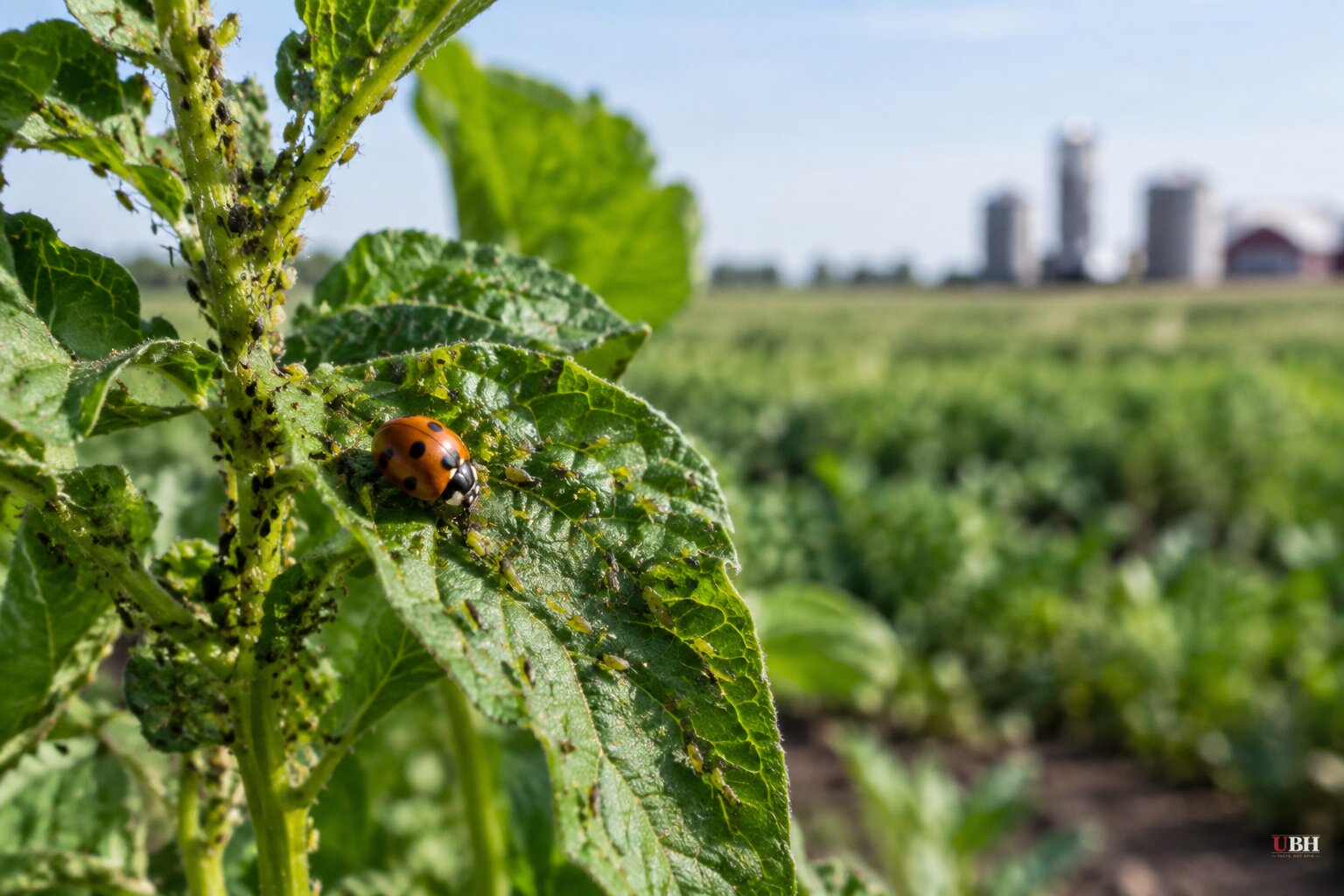
A fix that worked too well
Starting as early as 1916, federal, state and private entomologists began releasing Harmonia axyridis, the multicoloured Asian lady beetle, across American orchards, forests and farmland, according to the USDA Agricultural Research Service. The goal was straightforward: let a natural predator eat the aphids and scale insects that were damaging crops, and cut down on chemical insecticide use.
In some places, it worked exactly as planned. The USDA says the beetles helped control aphids in pecan orchards and on ornamental plants. For decades, this looked like a clean win for biological pest control over chemical spraying.
Then it got out of hand
The first wild, self-sustaining population wasn't documented until 1988, found in Louisiana near the Port of New Orleans, according to USDA researchers. That location is notable because it's far from many of the sites where the planned releases actually happened.
That gap has left researchers with an open question they haven't fully answered. Did the beetle establish itself because of the intentional releases, because of accidental introductions riding in on imported nursery stock, or both? USDA researchers say accidental entries likely occurred through nursery shipments at ports in Delaware and South Carolina, which makes it genuinely hard to trace the origins. No source claims this question has been resolved.
What's not in dispute is what happened next. Once the beetle got a foothold, it spread fast through North America and then onto other continents, becoming one of the most successful invasive insects in the world, according to the USDA.
Why it won
The beetle's advantage is adaptability. It survives in orchards, forests, row crops, gardens and cities, feeding on a wide range of prey rather than sticking to the aphids it was imported for. It also reproduces fast, going from egg to adult quickly enough to outpace many native competitors.
That combination let it outcompete native ladybird species, according to USDA Agricultural Research Service findings, contributing to population declines among ladybirds that were already there before the Asian beetle arrived. The exact mechanism—whether it's direct competition for food, disease transmission, or something else—isn't spelled out in the available USDA material, but the population decline link is attributed directly to the agency's own research.
The part homeowners actually deal with
For anyone living with these beetles today, the science history is secondary to the fall invasion. Every autumn, when the first near-freezing night is followed by a warm day, the beetles go looking for places to overwinter, mimicking the cliffside habitats they'd use back in Asia, according to Islas Garden Seeds. They're drawn to light-colored buildings, white, tan or yellow especially, and to sunny south- or west-facing walls.
They can bite. It's not venomous and leaves no lasting damage, just a small pinch and sometimes a bump, usually when the beetle is after moisture. The bigger household headache is what happens if you squish one: it leaves a foul-smelling yellow stain. The standard advice is to vacuum them up instead.
The unresolved question
A century-old program meant to reduce pesticide use is now a case study in how hard it is to predict what happens when government agencies move a species across an ocean, even with good intentions and sound science at the time. The USDA's own research arm still can't say with certainty whether the deliberate 1916 releases or accidental cargo introductions decades later actually built the invasive population now blanketing homes from Louisiana to North Dakota every fall.
No agency has proposed rolling back Harmonia axyridis populations at scale, and none of the available USDA material lays out a current control plan beyond homeowner tips like sealing cracks and vacuuming. The species is now considered permanently established in the United States.
Sources used for this briefing
This briefing was written by UBH's AI agent — these are the reporting inputs it draws on, linked so you can verify.


