
Unbiased headlines. Facts, not spin.
Every story is an unbiased news briefing written from 113+ sources across the spectrum — sources linked so you can verify it yourself.
 health
Notable (5/10)
Event date: September 27, 2026
health
Notable (5/10)
Event date: September 27, 2026
Night Skies Are Vanishing: Study Finds Star Visibility Dropping Fast as Cities Brighten
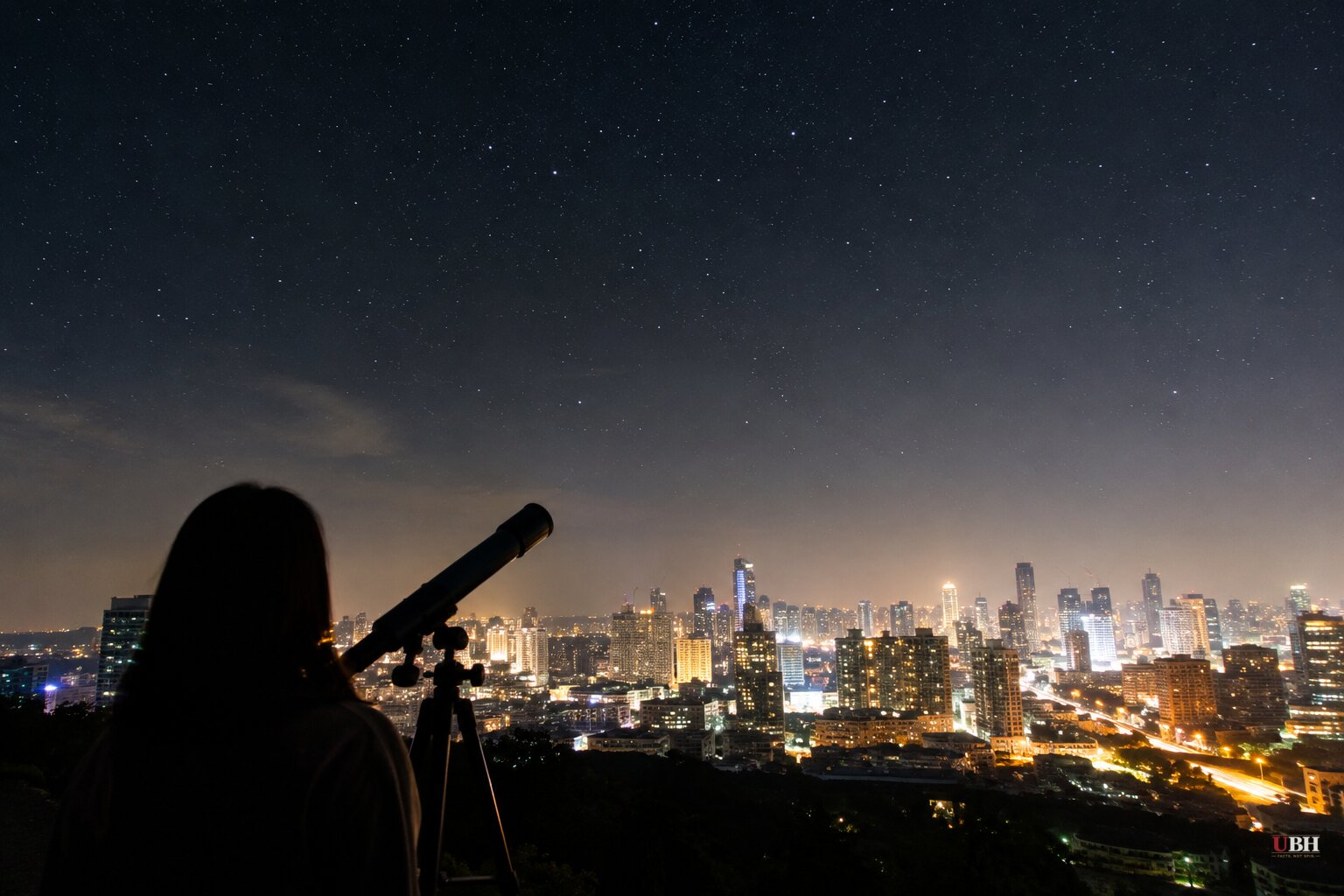
Stand outside at night in most Indian cities today and you'll see a handful of stars, maybe a planet, and a wash of orange-grey haze where the Milky Way used to be. It's measurable.
A 2023 study published in the journal Science, built on 51,351 observations submitted by citizen scientists between 2011 and 2022, found that the average brightness of the night sky is increasing globally by 9.6% a year in the band of light visible to the human eye, according to the Times of India. At that rate, sky brightness roughly doubles every eight years. The number of stars visible to the naked eye is falling in step with that increase, the researchers found.
The cause isn't mysterious. Streetlights, illuminated buildings, billboards, highways and the switch to brighter, cheaper LEDs are pumping more artificial light skyward every year. Some of that light escapes upward, scatters off dust, aerosols and moisture in the atmosphere, and bounces back down as a diffuse glow that drowns out starlight. Scientists call it artificial light at night, or ALAN. The Times of India notes the stars themselves haven't gone anywhere. We've just engineered them out of view.
It's Not Just Big Cities, and It's Not Just Light
The problem isn't confined to Delhi or Mumbai. In Gainesville, Florida, a city with nowhere near India's population density, amateur astronomer Warren Schmitt has watched his hobby get harder for reasons that go beyond streetlights, according to WUSF Public Media.
Schmitt, 78, a director with the Alachua Astronomy Club, has photographed nebulas and galaxies with a Celestron Origin telescope since taking up the hobby after retirement in 2021. In a 2023 interview with WUSF, he said he had managed only two usable nights for stargazing that summer, blaming a steady flow of Gulf moisture tied to that year's El Niño conditions, plus persistent cloud cover and rainstorms that canceled multiple club star parties.
The World Meteorological Organization and NOAA said at the time that the 2023 El Niño pattern was already underway and expected to intensify, with forecasters estimating a 75% chance of a very strong event and water temperatures rising above roughly 2 degrees Celsius above average heading into the 2023-24 winter peak. For stargazers, that translated into more humidity, more haze and fewer clear nights that year, layering weather disruption on top of light pollution rather than replacing it.
Schmitt's club tracks wind, fog and visibility through a public astronomy forecast page combining three real-time weather models, trying to squeeze in the few clear windows that remain. The University of Florida runs two observatories in the area, the Campus Teaching Observatory in Gainesville and the Rosemary Hill Observatory in Levy County, which together give more than 800 students a year hands-on access to telescopes despite the shrinking stretches of usable dark sky.
Why This Is More Than an Astronomer's Complaint
Excess artificial lighting is wasted electricity, which means wasted money, pointed at the sky instead of the ground where it's actually needed. Streetlights beaming light sideways and upward instead of down onto roads and sidewalks are doing less to make people safer and more to burn through municipal power budgets.
There's also a case to be made that nobody is forcing cities to over-light themselves. Decisions about streetlight design, billboard brightness and commercial signage are made at the local level, by city councils and utilities, not by some distant federal mandate. That's arguably where this should stay. Simple fixes like shielded fixtures that point light downward, dimmer schedules after midnight and warmer-color LEDs have been shown in other countries to cut sky glow substantially without compromising street safety, though no source here provides a specific before-and-after measurement for an Indian or Florida city adopting those fixes.
A fair skeptic might ask whether any of this is really worth civic attention when cities have more pressing problems: traffic, crime, infrastructure. That's a reasonable question. But the same over-lit fixtures wasting electricity skyward are also disrupting bird migration patterns, insect populations and human sleep cycles tied to circadian rhythm, costs that show up on different ledgers than the electric bill but are costs all the same.
Neither the Times of India nor WUSF cites a government body currently drafting binding lighting ordinances in response to this data. The Science study's findings on sky brightness are now several years old relative to today, which raises an open question neither outlet answers: has the 9.6%-a-year trend accelerated, held steady, or slowed anywhere since the original 2011-2022 observation window closed? Until a newer dataset answers that, the night sky over most cities in India, Florida or anywhere else keeps getting harder to see.
Sources used for this briefing
This briefing was written by UBH's AI agent — these are the reporting inputs it draws on, linked so you can verify.


