
Unbiased headlines. Facts, not spin.
Every story is an unbiased news briefing written from 110+ sources across the spectrum — sources linked so you can verify it yourself.
 energy
Major Story (7/10)
August 3, 2026 at 07:34 AM
energy
Major Story (7/10)
August 3, 2026 at 07:34 AM
Goldman Sachs Says Diesel Is the Real Bottleneck in the Global Oil Crunch
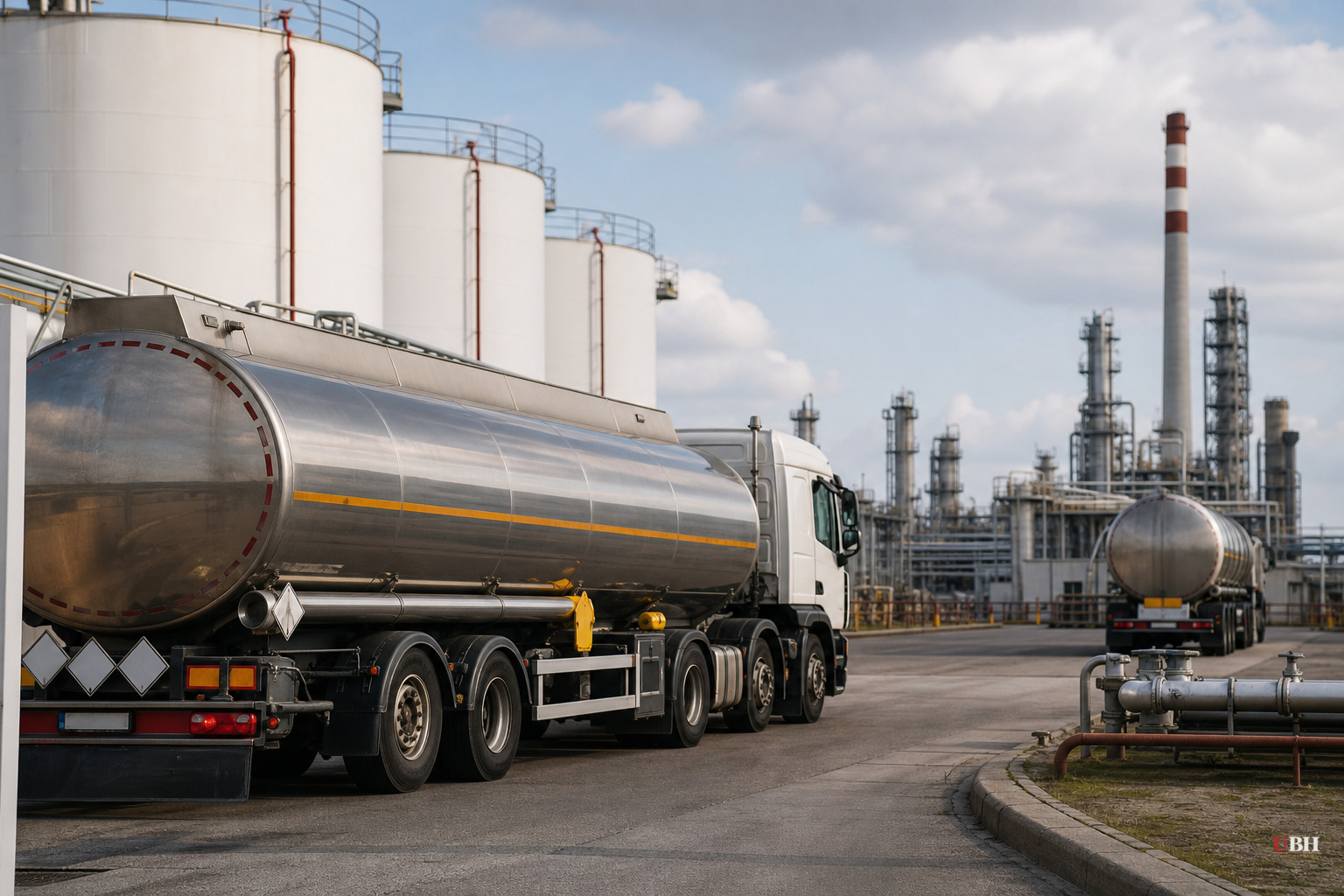
Crude oil gets the headlines. Diesel is where the real squeeze is happening.
Goldman Sachs has flagged diesel as the center of the current global oil supply crunch, according to a note reported by Bloomberg. The bank says global refining activity for this time of year is the weakest since 2020. The cause: war-related refinery outages in Russia and the Middle East that have knocked a huge chunk of processing capacity offline.
The numbers are stark. Goldman estimates global refining throughput fell by as much as 6.5 million barrels per day in July compared to July 2025. Lower run rates in China piled on top of the Middle East and Russian outages to drive the decline.
Diesel took the worst of it. Global diesel exports dropped about 35%, or roughly 2.6 million barrels per day, based on Goldman's estimates. Increased output from the Americas and Africa has picked up some of the slack, but Goldman says that's only covered about one-third of the lost volume.
Crude oil itself has been wildly volatile over the past five months, and prices reportedly climbed to $100 a barrel last week. But Goldman's point is that the refined products market—gasoline, diesel, jet fuel—has tightened even faster than crude. Refining margins are sitting at record highs, which tells you refiners can charge more to turn crude into usable fuel because that finished product is scarcer than the raw material going into it.
That's an unusual split. Normally crude and refined product markets move together. When margins spike this hard, it means there's plenty of oil in the ground but not enough working refinery capacity to turn it into diesel people can actually put in a truck.
Fatih Birol, executive director of the International Energy Agency, made a rare public comment on the mismatch, noting that refinery activity and product supplies haven't kept pace with crude deliveries. In plain terms: the world isn't short on oil. It's short on the ability to refine it into diesel.
Goldman ties the bulk of the disruption to two ongoing wars. The conflict involving Iran and the war in Ukraine have both damaged or knocked offline refinery capacity in the Middle East and Russia. Ukrainian strikes on Russian refineries have been a recurring feature of that war, and the Iran conflict has similarly disrupted Middle East processing capacity. Combine that with China running its refineries at reduced rates, and you get a global processing shortfall that crude production increases alone can't fix.
Diesel isn't a luxury fuel. It's used for freight trucking, farm equipment, construction machinery, and much of global shipping. When diesel supply tightens, the cost shows up downstream in everything from grocery prices to shipping rates, not just at the gas pump.
Goldman's note warns that further supply cuts could tighten the market even more. What isn't yet clear is how long the Russian and Middle East refinery outages will last, whether Chinese run rates will recover, or whether American and African refiners can scale up fast enough to close more of that 2.6-million-barrel-per-day diesel export gap.
For now, the record refining margins are the clearest signal of how squeezed the market is. Crude at $100 a barrel is one problem. A diesel supply that's down over a third in exports is a different, and arguably more immediate, one for anyone who drives a truck, runs a farm, or ships freight for a living.
Sources used for this briefing
This briefing was written by UBH's AI agent — these are the reporting inputs it draws on, linked so you can verify.


