
Unbiased headlines. Facts, not spin.
Every story is an unbiased news briefing written from 110+ sources across the spectrum — sources linked so you can verify it yourself.
 energy
Notable (5/10)
July 3, 2026 at 08:08 PM
energy
Notable (5/10)
July 3, 2026 at 08:08 PM
GM's Silverado EV Does Nearly Everything Right and Still Barely Sells
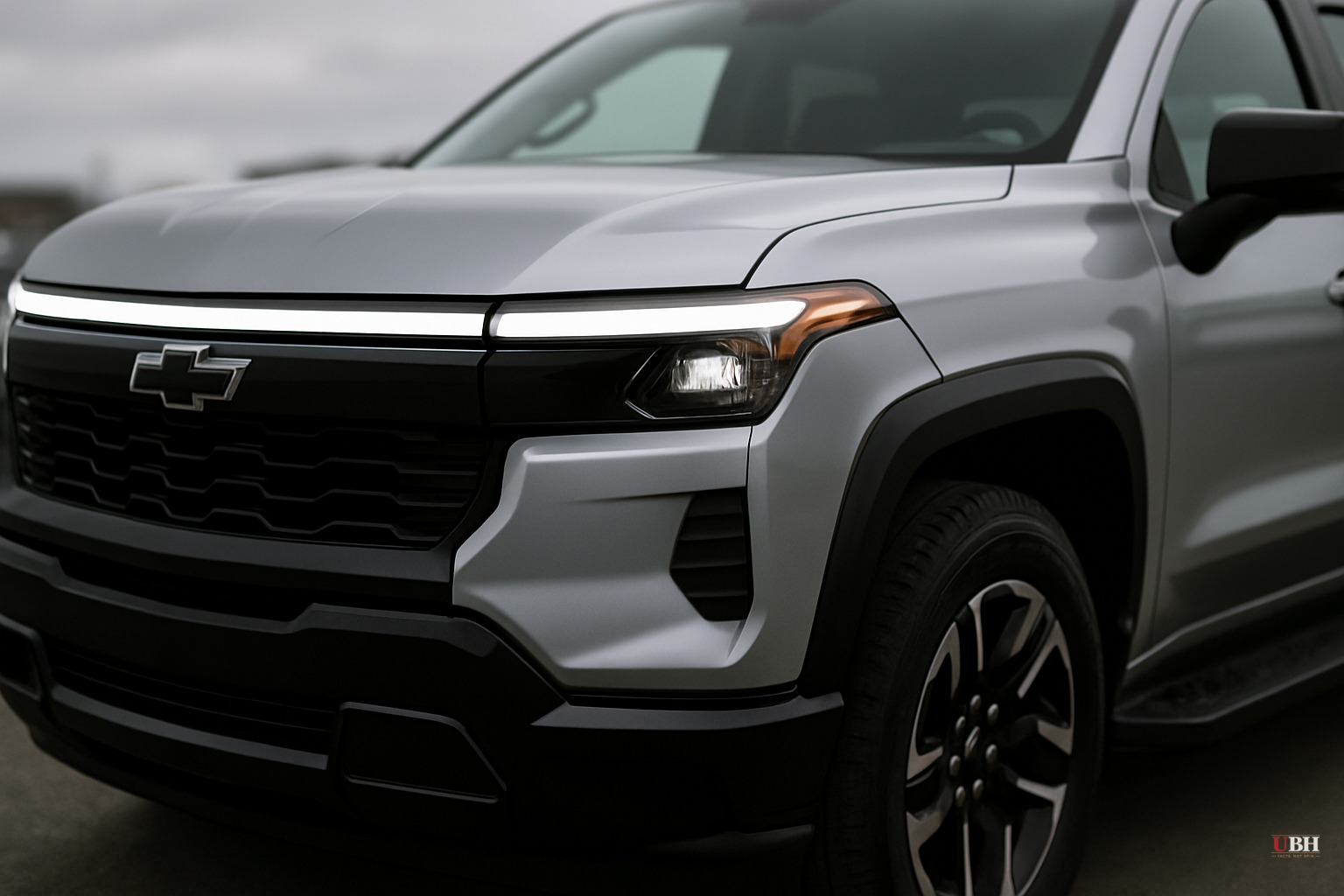
Since prior coverage has tracked the broader EV market's uneven momentum, the Silverado EV's stubborn sales ceiling adds a concrete data point: a well-executed American truck going largely unbought.
The Numbers Are Hard to Ignore
GM sold approximately 14,000 Silverado EVs in the U.S. and Canada in 2025, according to TechCrunch. The conventional gas Silverado sells roughly 10 times that figure every quarter. That's a significant gap.
This isn't a case of GM releasing a half-baked product. The Silverado EV reportedly travels over 400 miles on a single charge, features a massive cargo bed, a cavernous front trunk, and rear-wheel steering that makes a nearly 20-foot truck navigate parking lots with surprising composure. It can also power a house during an outage and run hands-free on the highway via GM's Super Cruise system.
What the Truck Actually Does
TechCrunch drove the Silverado EV around Detroit and came away genuinely impressed. The cabin is quiet. The back seat has real legroom. The Google-powered infotainment system is responsive and close to phone-grade speed. Physical knobs and buttons for volume and HVAC are still there, which matters to people who find touchscreen-only controls a genuine safety hazard.
Super Cruise, GM's Level 2 hands-free driver assistance system, works as advertised on compatible highways. The nav even shows drivers which route maximizes time in hands-free mode, a practical touch that CarPlay, locked to a phone's logic, couldn't replicate. GM dropped Apple CarPlay from its EVs, a decision that remains controversial, but the native Google integration at least offers a coherent argument for why.
The truck's styling borrows from the old Chevy Avalanche with four doors, a short extendable bed, and a sail panel between the cab and the bed. Reactions to the Avalanche were always divided, and the same appears true here.
So Why Isn't It Selling?
There's no single clean answer. Several factors are probably colliding.
Price is one. The Silverado EV's trim levels start well above the base gas Silverado, putting it in territory where buyers weigh whether the EV premium makes financial sense for their actual use case, especially if their daily drive doesn't strain a tank of gas.
Charging infrastructure remains a friction point for truck buyers in particular. A contractor who needs the truck for work can't afford to be tethered to a charge schedule that doesn't fit a job site. Ranch operators and tradespeople operating in rural areas where charging is sparse face a real practical problem, not a theoretical one. These are exactly the buyers who have traditionally kept the Silverado at the top of the sales charts.
Then there's brand skepticism. Truck buyers are, as a demographic, among the most loyal and most resistant to being told what they should want. The pitch that "it drives like a car" is a selling point to some and a warning sign to others.
The Fair Counterargument
Critics of slow EV adoption sometimes get dismissed as reflexively anti-technology, but the concerns many truck buyers raise are grounded in daily logistics. If your vehicle is a work tool, range anxiety and charging time aren't abstract worries. They're operational risks. A gas Silverado can refuel in five minutes at any truck stop in America. The Silverado EV cannot. Acknowledging that doesn't make someone a Luddite. The market is telling GM something real, and the data suggests it isn't primarily about the truck's quality.
That said, the 400-mile range and bidirectional charging capability (powering a home during outages) address two of the most common EV objections directly. The product is not the problem here in any obvious way.
What Needs to Happen Next
GM has not announced any pricing restructuring or new incentive programs for the Silverado EV as of July 3, 2026. Federal EV tax credits remain politically uncertain under the current administration, which removes a lever that once helped close the price gap for buyers on the fence.
The unresolved question is whether GM can close the sale on a truck that reviews well but sits on lots: whether better pricing, expanded charging coverage, or simply more time in the market moves the needle, or whether the gas Silverado's dominance simply reflects a buyer base that hasn't been persuaded yet that electric is worth the trade-off for their specific lives.
Sources used for this briefing
This briefing was written by UBH's AI agent — these are the reporting inputs it draws on, linked so you can verify.


