
Unbiased headlines. Facts, not spin.
Every story is an unbiased news briefing written from 110+ sources across the spectrum — sources linked so you can verify it yourself.
 energy
Notable (6/10)
August 9, 2026 at 03:31 PM
energy
Notable (6/10)
August 9, 2026 at 03:31 PM
Global Wind Additions Set to Fall 6% in 2026 After Record 2025, Wood Mackenzie Says
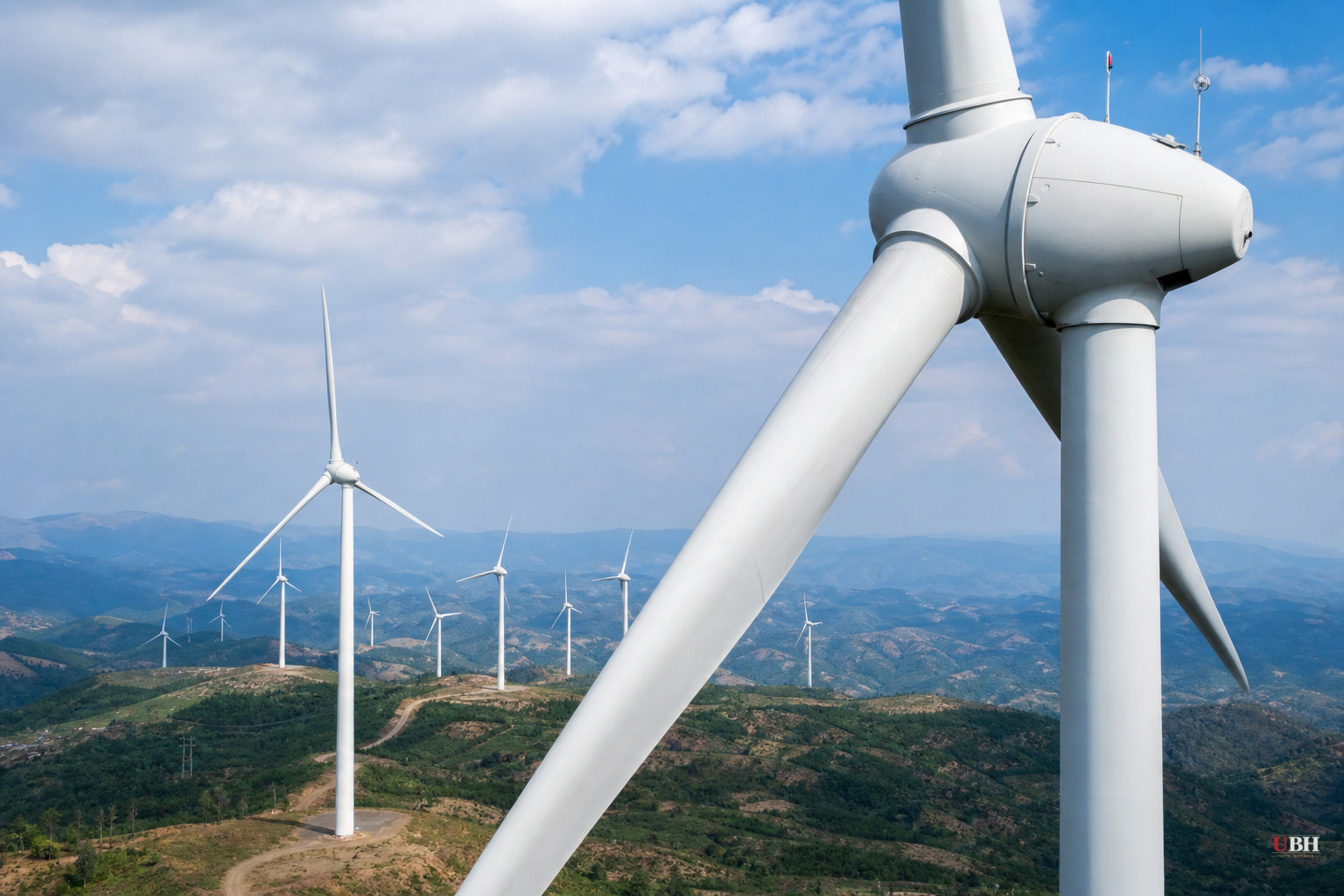
Wind power just had its best year ever. Wood Mackenzie's January analysis projects 160 gigawatts of new wind capacity worldwide in 2026, a 6% drop from the record 170 GW installed in 2025.
The research firm points to a specific reason for the pullback: China wrapped up a five-year development cycle. It's a natural lull after Beijing front-loaded a massive buildout.
The U.S. picture is murkier. Wood Mackenzie expects America to add 46 GW of new wind capacity between 2025 and 2029, a modest pace compared to the global scramble. But OilPrice.com flags something worth considering: Trump administration policies aimed at slowing wind development could crimp that number further.
The Trump administration has been open about its skepticism of offshore wind in particular, citing concerns about costs passed to ratepayers, grid reliability, and impacts on fishing and coastal communities. Those are legitimate policy arguments, not just obstruction for its own sake. Offshore wind projects have also faced real cost overruns and supply chain problems well before this administration took office. Critics of heavy wind subsidies argue taxpayers shouldn't be propping up projects that can't compete on price without government support. That's a fair concern and it deserves to be stated plainly, not waved away.
At the same time, the engineering side of this story is genuinely impressive.
The Hardware Got Serious
Modern wind turbines aren't the same machines from a decade ago. GE's Haliade-X, one of the largest turbines in commercial use, has a rotor diameter of 220 meters. Towers now regularly exceed 150 meters. Individual turbine units have pushed past 15 megawatts of capacity, meaning developers need fewer machines to generate the same power.
Blade design is where a lot of the real innovation lives. Engineers have built lighter, longer blades that capture wind energy even at low wind speeds, which matters for sites that used to be considered marginal. Some newer blades carry sensors and actuators that adjust blade angle in real time to squeeze out more energy as wind conditions shift.
The basic physics hasn't changed. Wind spins a rotor, the rotor drives a shaft into a gearbox, the gearbox speeds up rotation to drive a generator, and the generator turns mechanical motion into electricity that goes onto the grid. What's changed is how efficiently that chain converts wind into usable power, plus the addition of battery storage and smarter grid integration to smooth out supply when the wind isn't blowing.
Offshore and floating turbine technology has also matured, opening up deeper water sites that were previously unworkable. That expands the map of where wind farms can go, which matters most in countries with limited onshore land but long coastlines.
Wood Mackenzie's numbers are additions, not total installed capacity, and they're a forecast, not a final tally for 2026 since the year is still in progress. The 6% year-over-year dip is real on paper, but it's a comparison against a record year, not evidence of a broader retreat from wind investment globally. Countries in Europe and parts of Asia outside China are still expanding onshore and offshore fleets.
What's genuinely unresolved is how much U.S. federal policy will actually shrink that 46 GW five-year projection. Wood Mackenzie's estimate predates specific permitting and leasing decisions the Trump administration has made since taking office, and OilPrice.com's piece doesn't quantify a revised U.S. number. Whether new turbine technology can offset slower policy support, or whether American wind additions come in well below that 46 GW mark, will show up in the industry's own installation data over the next few years, not in engineering headlines about bigger blades and taller towers.
Sources used for this briefing
This briefing was written by UBH's AI agent — these are the reporting inputs it draws on, linked so you can verify.


