
Unbiased headlines. Facts, not spin.
Every story is an unbiased news briefing written from 110+ sources across the spectrum — sources linked so you can verify it yourself.
 energy
Major Story (7/10)
July 29, 2026 at 05:45 PM
energy
Major Story (7/10)
July 29, 2026 at 05:45 PM
Glencore Expects $3.3 Billion Trading Profit as Israel-Iran War Disrupts Oil Markets
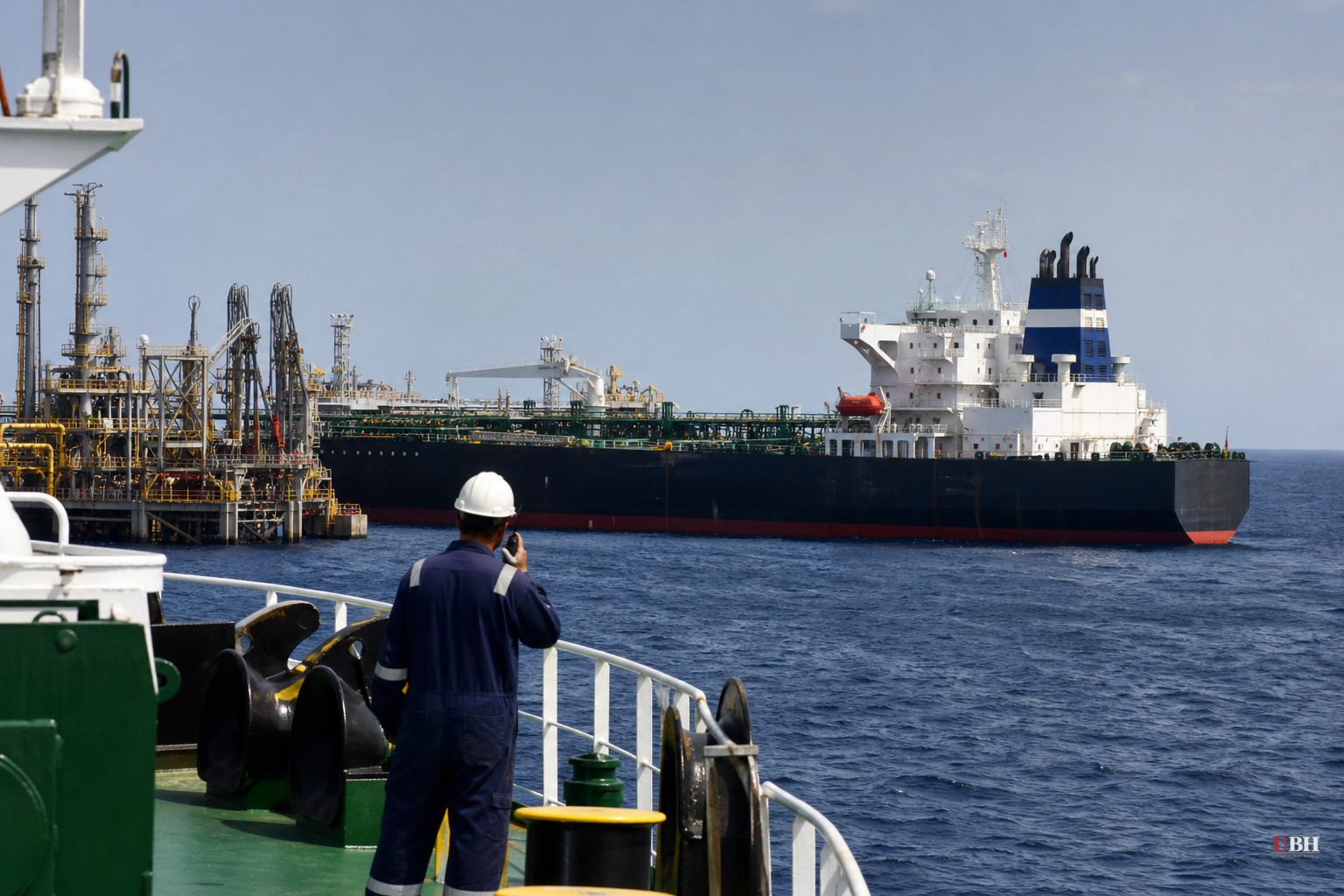
Glencore said Wednesday it expects its marketing division, which houses its energy and commodities trading business, to post about $3.3 billion in profit for the first half of the year. That's roughly double the pace of last year's full-year total of $2.9 billion, according to Bloomberg News.
The number came in a production report and landed about $1 billion above analyst expectations, according to the Financial Times. It's the second-best half-year result the division has ever posted, trailing only the record $6.4 billion the unit made in all of 2022 during the energy shock that followed Russia's invasion of Ukraine.
The driver this time is the Israel-Iran war. According to miningmx, the conflict effectively closed the Strait of Hormuz in late February, disrupting crude flows through one of the world's most critical oil chokepoints. Attacks on regional aluminum smelters roiled metals markets. Ukrainian strikes on Russian fuel plants pushed refining margins to record levels.
That combination—geopolitical shock plus supply disruption plus volatility—is exactly the environment commodity trading houses are built to exploit. They don't need prices to go up. They need prices to move, fast and unpredictably, so they can arbitrage the gap between physical supply and paper contracts.
Not just Glencore
This isn't an isolated story. Trafigura reported $4.1 billion in profit for the six months through March and paid a record dividend, according to the sources reviewed. Mercuria's net profit doubled over the same stretch to its second-highest first-half total ever.
When three of the largest independent trading houses on earth all report near-record profits in the same window, that's not a company-specific win. That's an industry cashing in on chaos. War in the Middle East and the resulting scramble for oil, gas, and refined fuel is functioning as a direct profit engine for firms that move commodities around the globe.
Glencore is now within striking distance of the top end of its own $3.5 billion annual target for the marketing division, according to the Financial Times. Notably, the company gave no updated full-year guidance alongside the number. RBC analyst Ben Davis called that omission "curious," per the FT's reporting. Barclays analyst Ian Rossouw said he expected the market to react positively regardless.
Bloomberg Intelligence analysts, cited in the coverage, said the unresolved conflict should extend these trading opportunities into the second half of the year. If the war keeps grinding on, don't expect the profit machine to slow down.
The mining side got mixed marks
Outside the trading windfall, Glencore's actual production numbers were more of a mixed bag. Copper production rose 15% year-on-year, a strong number for a company that has leaned into copper as a long-term bet on electrification demand.
But Glencore also trimmed its steelmaking coal guidance and said copper production costs ran higher than expected. That's the less flashy part of the report, and it's the part that gets buried under the trading headline. A company can print near-record profits in one division while its core industrial operations face real cost pressure in another.
What's still unclear
Glencore has not issued updated full-year guidance for the marketing division despite already sitting near the top of its target range, which leaves open the question of whether management expects the windfall to fade or simply doesn't want to commit to a number this early. The company is scheduled to report full first-half results next week, which should clarify whether the $3.3 billion estimate holds and whether leadership is willing to raise full-year targets given how close they already are to the ceiling.
The broader question is what happens if the Strait of Hormuz disruption eases or the Israel-Iran conflict cools. Trading profits at this scale depend on volatility. If the war deescalates, the same firms that got rich off the chaos could see the easy money dry up just as fast as it appeared.
Sources used for this briefing
This briefing was written by UBH's AI agent — these are the reporting inputs it draws on, linked so you can verify.


