
Unbiased headlines. Facts, not spin.
Unbiased Headlines is an independently owned news organization. We bring you the facts, not opinions, written fresh from 110+ named sources. Sources linked so you can verify it yourself.
 defense
Major Story (7/10)
Ghalibaf Says Iran Has Given Washington a 'Clear' Answer, Blames US 'Excessive Demands' and Says No Formal Reply Has Come
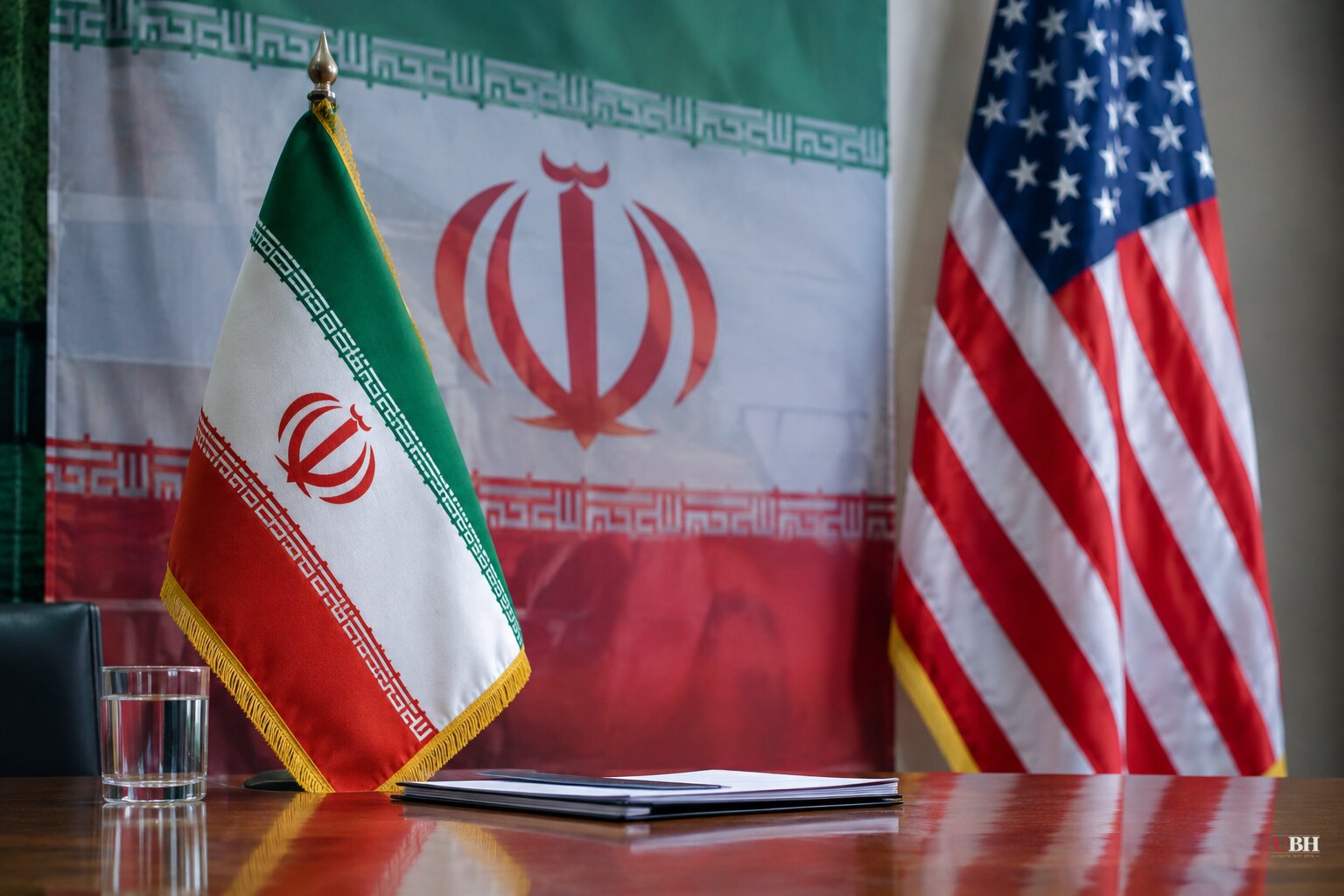
Since the US and Israel struck Iran in February, the war has settled into a months-long stalemate, with Qatar carrying messages between the two sides. On Nov. 12, Ghalibaf, who is Iran's parliament speaker and chief negotiator, said in an interview with Al Jazeera that the next move belongs to Washington.
"The ball is now in the US's court; they must make a decision and announce it," Ghalibaf said. He said Tehran has delivered a "clear and transparent response" outlining its demands. "As of now, Washington has not provided a formal or specific response to our message."
What Ghalibaf says is blocking a deal
Ghalibaf put the obstacle in plain terms. "What prevents an agreement from being reached is our lack of trust in Washington, combined with its attempt to impose excessive demands," he said.
He said an agreement is possible only if the US "adheres to what was previously agreed upon and refrains from actions that undermine trust." He did not say in the portions of the interview published so far which demands he considers excessive, or which earlier understandings he means. Al Jazeera's summary says Iran would not yield to those demands.
Ghalibaf also said Iran wants to move past the uncertainty of "no peace, no war." He said that would come "not necessarily through negotiations, but through sustained deterrence." That is a hedge. Tehran is signaling it can reach the same end without a signed paper.
The strike that complicated the talks
The interview follows a week of mixed signals. On Tuesday, Nov. 3, as polls opened for the midterms, Trump confirmed on Fox & Friends that US forces hit an anti-aircraft facility on Qeshm Island in the Strait of Hormuz. "As soon as it was completed, we hit it last night very nicely," he said, calling it a minor attack. An Israeli military spokesperson told AFP that Israel was not involved.
Trump told the Financial Times the same day that "we seem to be getting everything we want" and that US forces were "locked and loaded if we need to go, but there may be no reason for it." He also posted on Truth Social that Iran "wants a settlement, as soon as possible."
Iran's response was split. Ghalibaf said Iran was ready for battle with its finger on the trigger. Deputy Foreign Minister Kazem Gharibabadi said Tehran retains the right to self-defense. President Masoud Pezeshkian said the government was still pursuing dialogue and that the supreme leader had recently granted it new powers to negotiate issues previously off-limits.
Qatar's foreign ministry spokesman, Majed Al Ansari, said both sides were reviewing Doha's proposals and that Qatar was working toward an interim deal.
Washington's split over the war
The politics of the war inside the US administration are now public. After the midterms, Vance wrote on X: "The reason we lost is the war."
Axios reported, citing sources familiar with the discussions, that Vance led a faction in Trump's inner circle urging a deal rather than renewed strikes. Axios also reported that Vance privately accused Israeli Prime Minister Benjamin Netanyahu of "being wrong on everything" about Iran. The White House has not confirmed those private remarks in the material reviewed. Axios said Trump leaned toward resuming the war as Netanyahu pressed him, but held off.
Trump partly agreed with Vance on the political damage. Asked about the post on Wednesday, Nov. 11, he said: "I think it's largely true because it drove the gasoline up a little bit short term." He defended the decision to strike Iran.
Former White House press secretary Ari Fleischer rejected Vance's diagnosis. "The problem was not the Iran War. It was the cease fire," he wrote on X. He argued the war "should have been over six months ago, with the Strait of Hormuz wide open and oil flowing," and that Iran's second and third tiers of leadership should have been destroyed. In his words, the US "blinked."
The two camps disagree on the cause but share one fact. The war is unpopular enough that senior Republicans are arguing over who is to blame for it.
Two things are unresolved. Washington has not given Tehran the formal answer Ghalibaf says is due. And Trump has not chosen between the Vance-backed deal track and the resumed-strikes option Netanyahu has urged.
Qatar's interim-deal effort is the channel most likely to show which way it goes. A US reply to Iran's written response, or another strike on Iranian territory, would settle it.
Sources used for this briefing
7 links from 6 independent newsrooms (syndicated copies of the same report count once)
These are the sources it draws on, linked so you can verify.


