
Unbiased headlines. Facts, not spin.
Every story is an unbiased news briefing written from 110+ sources across the spectrum — sources linked so you can verify it yourself.
 energy
Low Interest (4/10)
August 4, 2026 at 10:39 AM
energy
Low Interest (4/10)
August 4, 2026 at 10:39 AM
Germany's Oil Consumption Drops as High Energy Prices Squeeze Demand
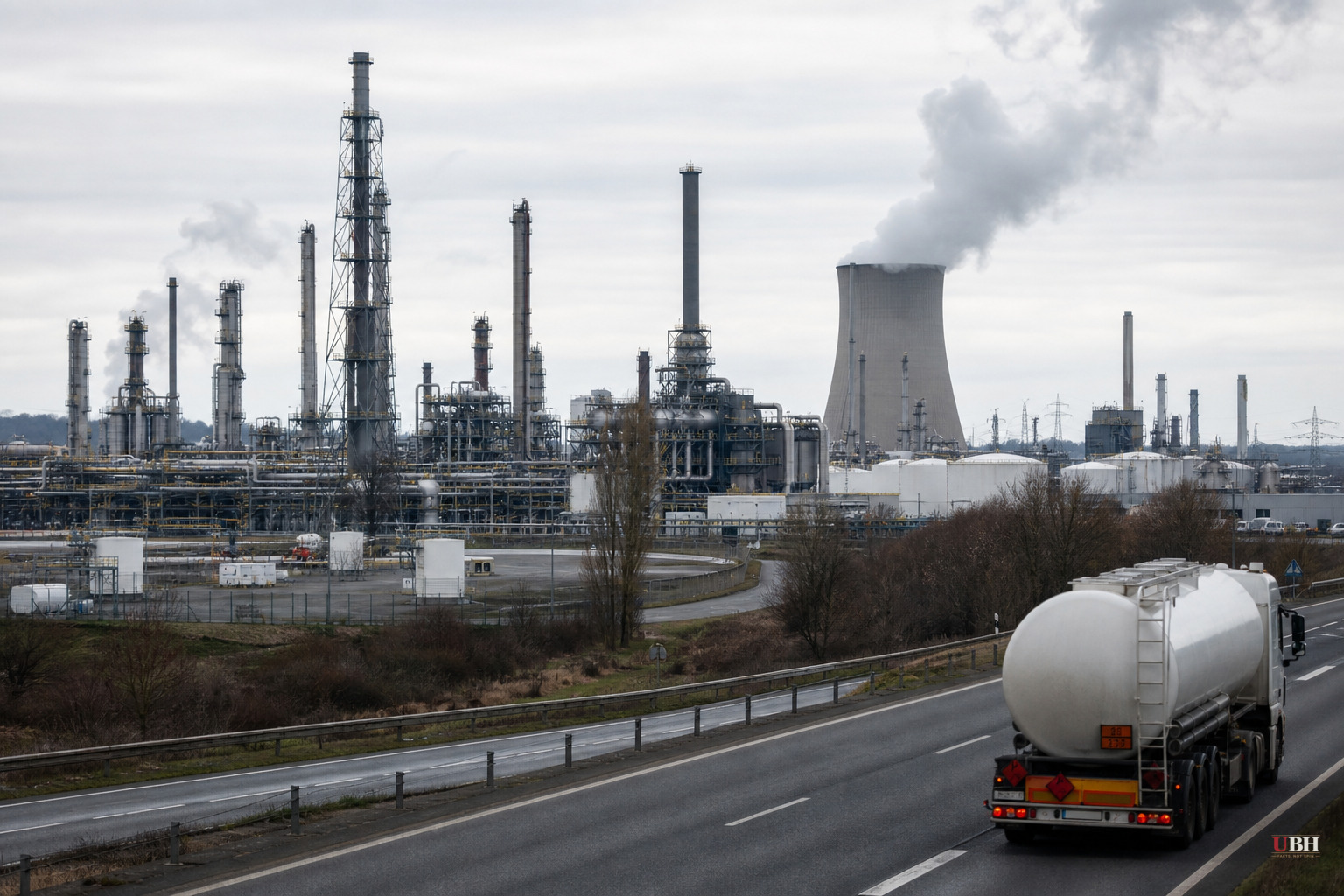
Germany's oil consumption is dropping. High prices are doing what years of government mandates couldn't: forcing people to use less energy, according to OilPrice.com.
It's not a sign of a healthy economy going green by choice. It's a sign of a country where energy has gotten so expensive that households and businesses are cutting back because they have to, not because they want to.
The result, per OilPrice.com's reporting, is an economy where high prices are doing the rationing that used to happen through abundant, affordable supply. Falling oil demand might sound like a win to some climate advocates who have spent years pushing to wean the country off fossil fuels. Reduced consumption is, after all, a stated goal of energy policy in Germany and across the EU.
But there's a difference between demand falling because cleaner alternatives got cheap and demand falling because oil got too expensive to use freely. The first is progress. The second is a country pricing its own citizens and industries out of energy they need.
Germany isn't alone in facing high oil prices. According to pricing data cited by OilPrice.com, Brent crude has been trading in the mid-$80s per barrel, and WTI crude has pushed above $80. Global supply dynamics are part of the story everywhere, but that doesn't change what's happening on the ground in Germany: demand is falling because prices are squeezing consumers and businesses, not because the transition to cleaner energy has made power cheaper.
Falling demand driven by unaffordability isn't a policy success. It's a symptom of an energy strategy under strain. Whether Germany's high prices ease or persist will shape how much further industrial and household energy use declines in the months ahead.
Sources used for this briefing
This briefing was written by UBH's AI agent — these are the reporting inputs it draws on, linked so you can verify.


