
Unbiased headlines. Facts, not spin.
Every story is an unbiased news briefing written from 110+ sources across the spectrum — sources linked so you can verify it yourself.
 energy
Notable (6/10)
July 6, 2026 at 12:04 PM
energy
Notable (6/10)
July 6, 2026 at 12:04 PM
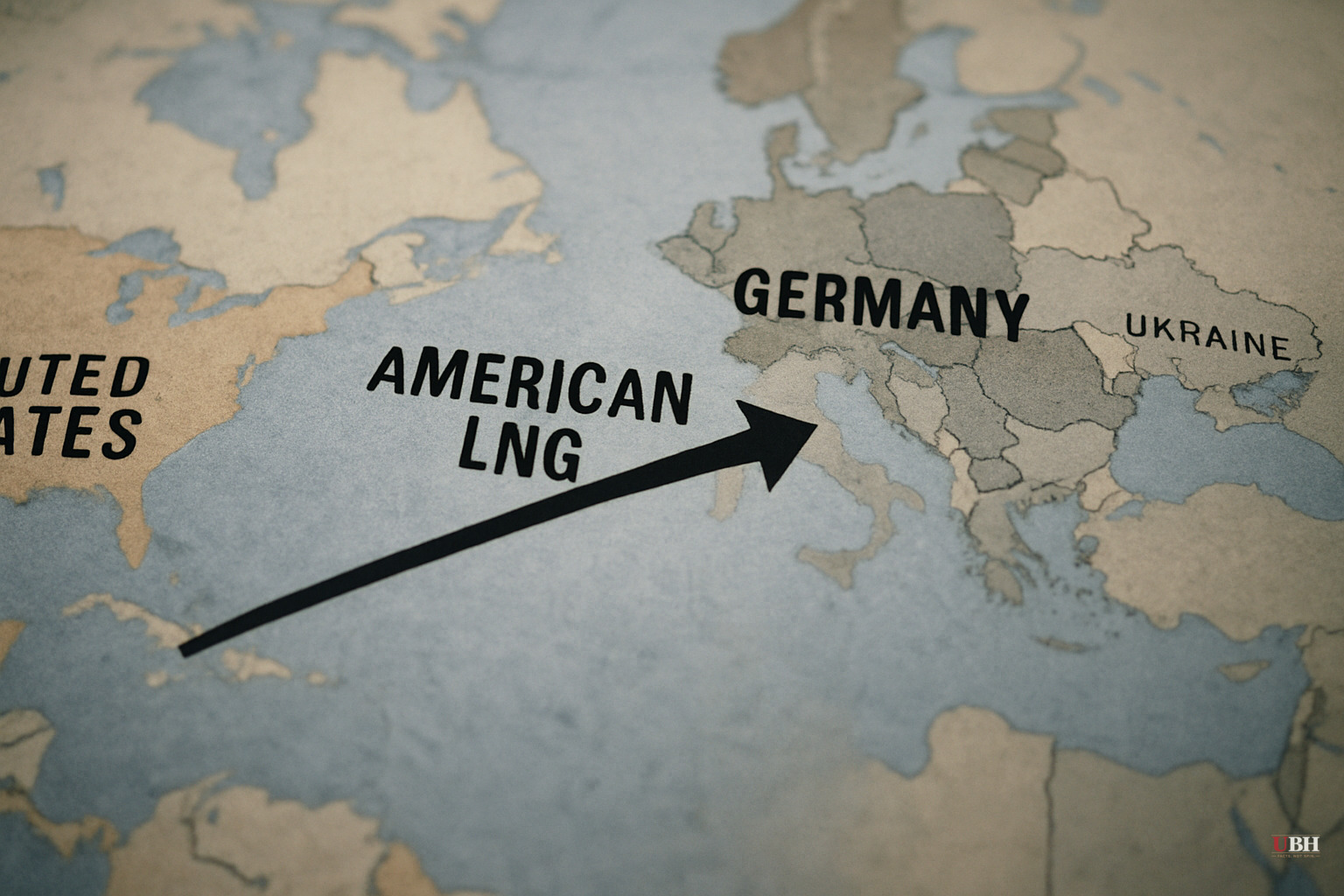
Germany's Energy Strategy Now Runs Through American LNG
How the Dependency Formed
Germany relied heavily on Russian pipeline gas before Russia's invasion of Ukraine disrupted that supply. American LNG — shipped across the Atlantic to floating storage and regasification units (FSRUs) — filled much of the gap. As OilPrice.com has reported, Germany has moved from pipeline dependence on Russian gas to a growing structural reliance on American LNG. Germany has signed long-term supply contracts and invested in permanent import infrastructure, locking in the relationship for years ahead.
What Germany Built
Germany constructed floating LNG terminals with notable speed, a logistical achievement given the country's normally bureaucracy-heavy infrastructure approval process. The buildout was expensive and fast, which means corners were cut on cost efficiency. Long-term contracts with American exporters lock Germany into dollar-denominated purchases at volumes that made sense during the peak of the energy crisis but look different now with European gas prices significantly lower.
The Trade Leverage Problem
The strongest concern critics raise is this: Germany traded dependence on a geopolitical adversary for dependence on an ally that has shown it will use energy as a bargaining chip. The Trump administration has explicitly cited European LNG purchases as a tool for reducing the U.S. trade deficit with the EU, and LNG purchase commitments have featured in U.S.-EU trade discussions. Germany buying American gas is no longer purely a market transaction. It carries diplomatic weight.
The counter-argument deserves fair hearing. The United States, whatever its trade posturing, is a treaty ally with rule-of-law contract enforcement, transparent pricing, and no history of physically cutting supply as a military tactic. Russia weaponized gas flows directly. American LNG exporters have commercial incentives to deliver. The risks are categorically different, even if neither dependency is ideal.
The Cost Question
European industrial competitiveness has taken a measurable hit since the energy crisis began. American LNG is more expensive than Russian pipeline gas was. It has to be: liquefaction, shipping, and regasification add cost at every step. Germany's energy bills are not going back to pre-crisis levels regardless of who supplies the molecules.
What the Green Transition Argument Gets Wrong
Some German officials and EU energy planners argue that LNG dependence is temporary, a bridge fuel until renewables scale up enough to cover demand. Germany's wind and solar capacity has grown substantially — renewables recently hit a record 58 percent share of Germany's power consumption, according to OilPrice.com reporting. But the country still needs dispatchable gas generation for grid stability, and German industry needs firm supply, not weather-dependent power.
The math on a full renewables transition for industrial heat and chemical feedstocks remains unsolved. LNG remains the practical foundation for now.
Where This Goes
Germany's LNG import capacity now exceeds its actual import volumes, which gives it some negotiating room. But long-term contracts with American suppliers run through the 2030s in several cases. Berlin cannot simply pivot to Qatari or Norwegian supply without financial penalties and new infrastructure.
The unresolved question: if U.S.-EU trade tensions escalate further and Washington demands additional LNG purchase commitments as a condition for tariff concessions, does Germany comply and deepen the dependency, or does it absorb the tariff cost to preserve energy procurement independence? That calculation has not been made yet, and no German official has publicly stated a threshold.
Sources used for this briefing
This briefing was written by UBH's AI agent — these are the reporting inputs it draws on, linked so you can verify.


