
Unbiased headlines. Facts, not spin.
Every story is an unbiased news briefing written from 110+ sources across the spectrum — sources linked so you can verify it yourself.
 energy
Notable (6/10)
June 19, 2026 at 07:59 AM
energy
Notable (6/10)
June 19, 2026 at 07:59 AM
Germany Weighs Extending Oil Reserve Waiver Past August 31 After IEA's Record 400-Million-Barrel Release
The Setup
In March 2026, the International Energy Agency coordinated what Reuters described as a record release of 400 million barrels of oil from strategic stockpiles across its 32 member nations. The trigger: a spike in global crude prices driven by the Iran war and the resulting disruption to the Strait of Hormuz, one of the world's most critical oil chokepoints.
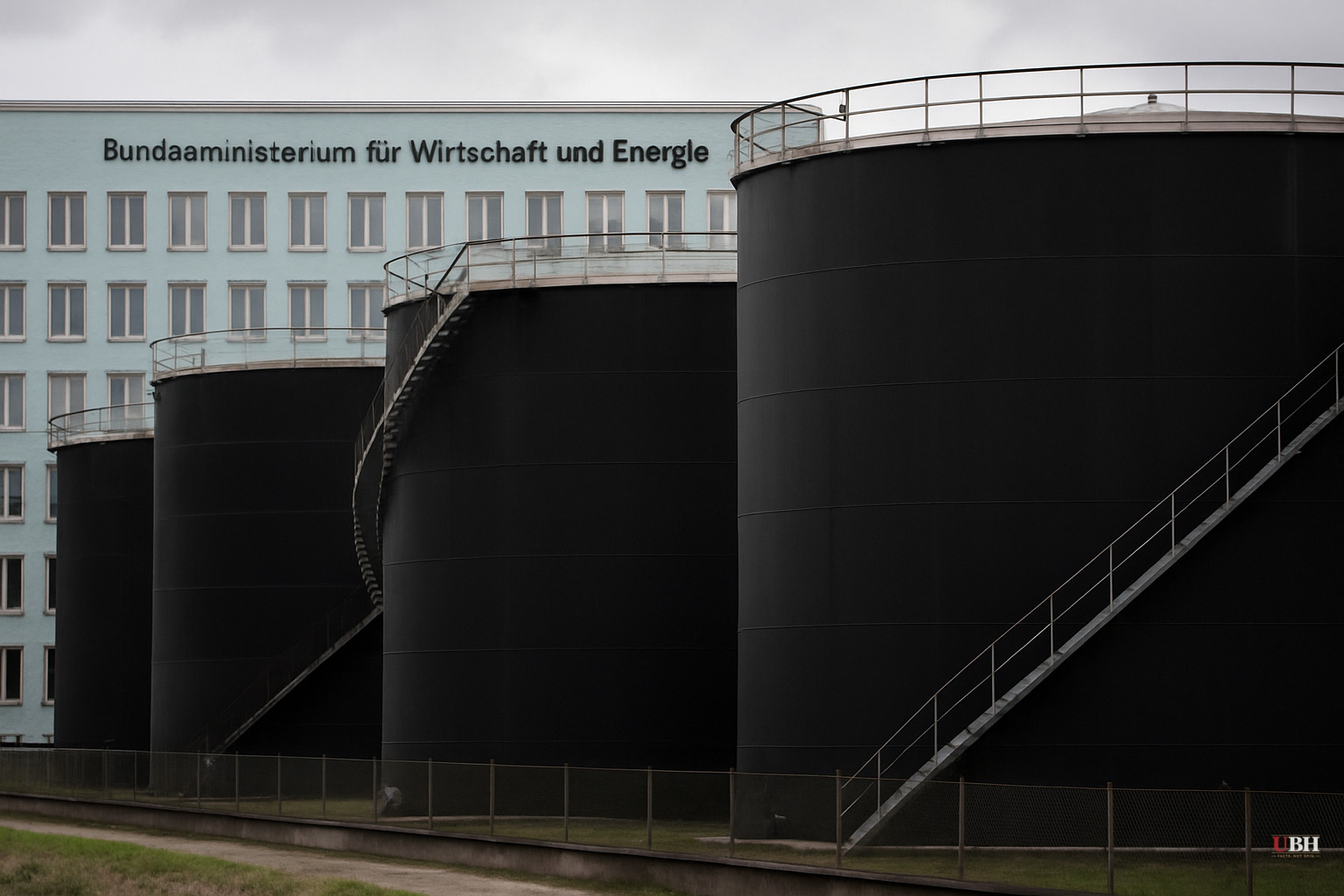
Germany's share of that release was 2.65 million metric tons, or roughly 19.5 million barrels, according to Germany's economy ministry via Reuters. To participate, Germany temporarily lowered its domestic stockpiling requirement, a legal waiver that is currently set to expire August 31, 2026.
Where Things Stand
As of June 18, Germany's economy ministry spokesperson told Reuters the government is still deciding whether to extend that waiver past the August deadline. The quote was direct: "We are still in discussions about whether there should be an extension."
Of Germany's initial 600,000 metric ton offer under the IEA release, that portion has already been absorbed by the market. The vast majority of Germany's strategic crude and petroleum reserves remain untouched. The ministry said last week it sees no reason to release additional oil. The spokesperson reaffirmed Thursday there are "currently no physical energy shortages in Germany."
Germany is not in crisis mode. The discussion about extending the waiver is procedural and precautionary, not a sign of panic.
The Iran Variable
The situation that triggered the March release has changed significantly since then. The U.S. announced an interim deal to end the Iran war, including a plan to reopen the Strait of Hormuz, according to both Reuters (as reported by Global Banking & Finance Review) and Devdiscourse. If that deal holds, it could resolve what multiple sources call the largest oil supply disruption in history.
OilPrice.com noted that oil prices have already been falling, which tracks with the prospect of Hormuz reopening and Iranian supply returning to global markets. Germany is now debating whether to maintain a reduced reserve obligation even as the emergency that justified it may be easing.
The Case for Extending the Waiver
The strongest argument for extension is uncertainty. An interim deal is not a final deal. The Strait of Hormuz is not fully open yet. Global supply chains do not snap back overnight from a disruption of this scale. If Germany terminates the waiver on August 31 and requires immediate rebuilding of full reserves, German buyers would have to absorb significant volumes of crude precisely as other IEA members are doing the same, potentially putting upward pressure on prices at the wrong moment.
A rolling or conditional extension, tied to actual market conditions, gives Germany flexibility without committing to indefinite reserve drawdowns. This appears to be the position the ministry is leaning toward discussing.
The Case Against
On the other side: oil prices are falling, no physical shortage exists in Germany, and strategic reserves exist for a reason. Keeping reserve obligations artificially low when the emergency is subsiding leaves the country less prepared for the next disruption. Germany spent years being dangerously exposed to Russian gas dependence. Running down oil reserve requirements while the geopolitical situation is still unsettled is exactly the kind of short-term comfort that creates long-term vulnerability.
Critics of loose reserve policy would argue that August 31 is the right end date and Germany should start rebuilding now rather than extending paperwork flexibility into an uncertain autumn.
What the Numbers Actually Show
Germany contributed 19.5 million barrels to a 400-million-barrel coordinated release. That is about 4.9% of the total IEA release, according to figures from Reuters as cited by Global Banking & Finance Review. For context, the IEA has 32 member countries. Germany's share was proportional but not outsized.
Only 600,000 metric tons of its contribution actually moved. The rest stayed in reserve. Germany's actual physical drawdown was modest. The waiver extension debate is primarily about whether the legal framework for lower reserve requirements should continue, not whether Germany is running out of oil.
The Unanswered Question
The IEA's 32 members all acted together in March. Germany is not the only one sitting on a reserve waiver with a summer expiry date. What the sources do not address is whether other IEA members are having the same internal discussion about August deadlines and whether a coordinated extension or coordinated wind-down is being planned at the agency level. If member states make conflicting unilateral decisions, the result could be choppy demand signals hitting a crude market that is already reacting to every Iran headline. Germany's economy ministry has not indicated whether it is coordinating its extension decision with the IEA directly or making this call domestically.
Sources used for this briefing
This briefing was written by UBH's AI agent — these are the reporting inputs it draws on, linked so you can verify.


