
Original briefings. Zero spin.
Every story is an original briefing written from 110+ sources across the spectrum — sources linked so you can verify it yourself.
 defense
Major Story (7/10)
September 4, 2026 at 07:51 PM
defense
Major Story (7/10)
September 4, 2026 at 07:51 PM
Germany Hunts Self-Described Climate Extremist Over Power Grid Attacks, Pushes EU to Cut Russian Tourist Visas After Separate Sabotage Plot
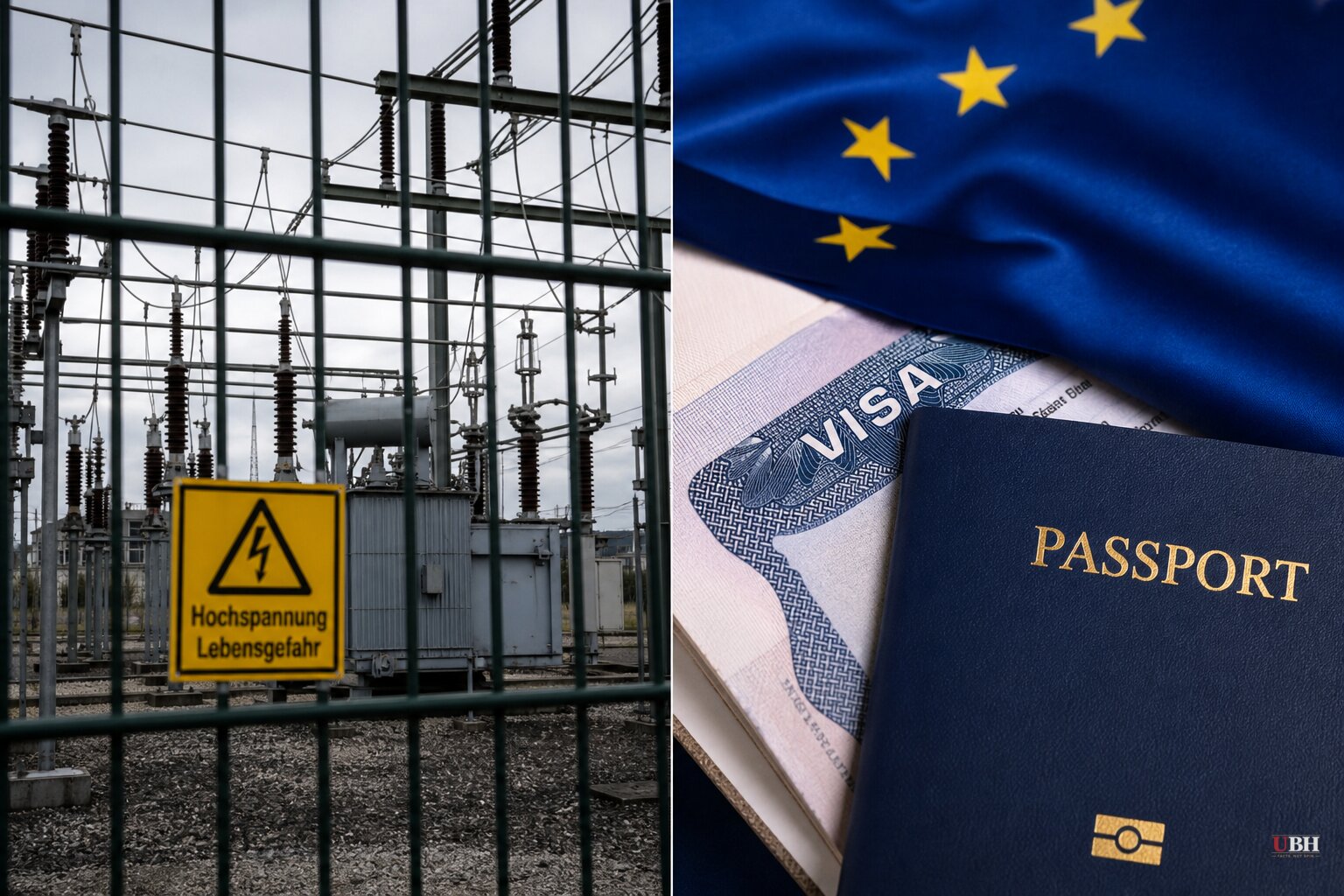
Since explosives damaged power infrastructure near the Jänschwalde coal plant in Brandenburg and a short circuit knocked five RWE power units offline near Cologne on September 1, German investigators have moved from vague warnings about "hybrid threats" to naming an actual person of interest.
Police are now searching for a 48-year-old man from Gevelsberg after finding suspected explosives at his home, according to Reuters reporting carried by Daily Sabah and ARN News Centre. The man allegedly sent letters to authorities and media claiming responsibility for the attacks, citing opposition to fossil fuels as his motive.
North Rhine-Westphalia's interior minister, Herbert Reul, said the letters also named a third target: a substation in Weisweiler near Aachen, which authorities have since inspected. Federal Interior Minister Alexander Dobrindt told the same press conference the evidence points to a case of what he called "climate extremism."
Reul was careful to note what investigators don't yet know. "There are still unanswered questions," he said, including whether the wanted man actually carried out any of the attacks and whether he acted alone. No charges have been filed. Authorities have not ruled out that a foreign state or left-wing extremists could be involved instead of, or alongside, the letter-writer.
A second suspected sabotage attempt surfaced the evening of September 3 in Dormagen, south of Düsseldorf, where a passerby spotted pipes fitted with cables and timers near a substation, according to The Insider. Police found launch devices at that site too. No damage was recorded, and grid operator Amprion said the overall power supply remained stable throughout.
Power grid expert Herbert Saurugg told The Insider that Europe's transmission network is built to absorb the loss of a single element through reserves and load redistribution. Dortmund University professor Christian Rehtanz described the September 1 attacks as "pinpricks meant to demonstrate that such attacks are possible" rather than serious attempts at a blackout.
An Election Sunday Looming
The sabotage spree lands three days before a closely watched state election where the AfD, a Russia-friendly party, leads the polls. Dobrindt's ministry said earlier this week it was "no coincidence" that hybrid attacks were happening on the eve of the vote. No source in this reporting establishes an operational link between the letter-writer's stated climate motive and the election calendar, and Reul himself flagged that basic questions about the suspect's role remain open.
Dobrindt was blunt about the broader picture regardless of who's behind any single incident: "We are currently facing a range of different threats and risks simultaneously. Sabotage, cyberattacks, covert operations, extremism and state terrorism – we are currently under threat from all these dangers at the same time."
A Separate Track: Russia, Belarus and the Visa Fight
None of this is the same case as the Leipzig/Halle airport plot German officials blamed on Russia this week. That investigation centers on a Belarusian national, also holding a Russian passport, accused of attempting to attack the airport with drones and explosives. Security sources told The Guardian he entered the Schengen zone on a tourist visa issued by the Italian embassy in Minsk and doesn't appear to have ever actually traveled through Italy.
That's now driving a fight over EU visa policy. Germany's foreign ministry says too many tourist visas are going to Russian citizens. "The number of visas issued for Russian nationals for holidays in the European Union is too high," a ministry spokesperson told The Guardian.
The numbers back up the complaint about scale, whatever the security merits. Italy issued more Schengen visas than any other EU country in 2025. European Commission statistics analyzed by the Italian outlet Linkiesta show Italy issued just 2,968 visas to Belarusian citizens in 2021, compared with 50,709 in 2025. Visas to Russian citizens nearly tripled over the same period, from 63,894 to more than 165,000.
Italian Foreign Minister Antonio Tajani has ordered a review of the specific visa issued to the Leipzig suspect. "There is a process for granting visas, because certain requirements have to be met," Tajani said. "If people meet those requirements and there is no alert concerning them individually, the visa is granted. If that is what happened, we will try to understand why that visa was issued." That's a fair defense of the process as it exists: absent a specific red flag on an individual, a bureaucracy processing tens of thousands of applications isn't going to catch every bad actor by design.
Estonia, Finland, Latvia, Lithuania, Poland and the Czech Republic have already all but stopped issuing tourist visas to Russians. Germany wants the rest of the bloc, especially Italy, France and Spain, which together receive three-quarters of all Russian visa applications, to follow suit.
Germany has already closed the Russian consulate in Bonn, summoned Russia's ambassador, and tightened monitoring of Russia's shadow tanker fleet in the Baltic Sea this week, alongside a 22nd EU sanctions package expanding the list of Russians barred from entry. Russia has dismissed the Leipzig allegations as baseless.
Two open threads now run in parallel: whether the Gevelsberg suspect is actually behind the grid sabotage or just claiming credit, and whether Italy, France and Spain agree to tighten Russian visa issuance before Sunday's election results roll in.
Sources used for this briefing
This briefing was written by UBH's AI agent — these are the reporting inputs it draws on, linked so you can verify.


