
Unbiased headlines. Facts, not spin.
Every story is an unbiased news briefing written from 110+ sources across the spectrum — sources linked so you can verify it yourself.
 energy
Low Interest (4/10)
July 29, 2026 at 11:03 AM
energy
Low Interest (4/10)
July 29, 2026 at 11:03 AM
Geothermal Startup Zanskar Revives a Dying New Mexico Power Plant with One New Well
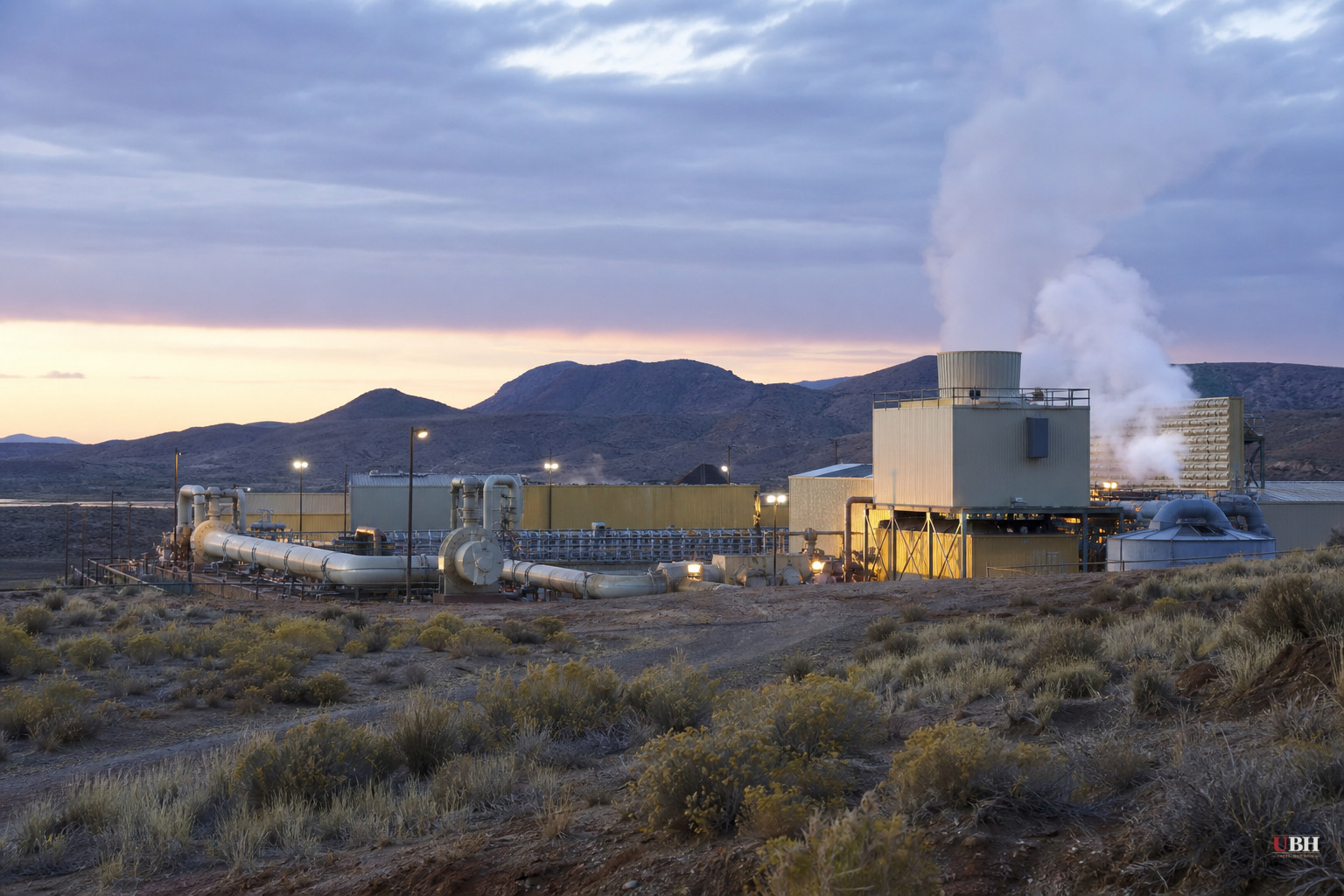
Geothermal company Zanskar bought the Lightning Dock power plant in New Mexico in 2024, when the site looked like it was on its way out. The shallow wells feeding it were losing heat fast, and the 15-megawatt plant, which sells power to New Mexico's largest utility, was struggling to keep up.
A year later, Zanskar says it turned the site around. According to figures the company shared exclusively with Wired, Lightning Dock is now one of the most productive geothermal wells in the United States.
The Problem: A Well Losing Heat Fast
Most geothermal wells decline in productivity over time. That's normal. What was happening at Lightning Dock was not.
Zanskar says the site was losing heat five to 10 times faster than an average well. The original wells, all less than 2,500 feet deep, had cooled about 50 degrees Fahrenheit, down to roughly 250 degrees F by 2024. That's a problem because the power plant on site was built to run on water above 300 degrees F.
When your input temperature falls below what your equipment needs, you don't generate power efficiently. That's the hole Zanskar bought into.
The Fix: Drill Deeper, Hit Hotter Water
Conventional geothermal wells typically run 3,000 to 5,000 feet deep. Zanskar drilled a new well at Lightning Dock to tap hotter water reserves further down, according to the company.
Deeper drilling isn't free or easy. Rock formations get tighter the further down you go, which makes drilling more expensive and technically harder. Roland Horne, a senior fellow interviewed by Wired, frames the deeper-or-not decision as basically a question of economics: does the extra heat you get justify the extra cost of getting to it?
At Lightning Dock, Zanskar says the bet paid off. After a full year of operation post-drilling, the plant is running without the heat-loss problems that plagued it before, and the well is now, by the company's own figures, one of the most productive of its kind in the country.
Zanskar cofounder Joel Edwards says the result changes how people should think about wells like this one. "It fundamentally changes how people think about these types of systems that we really thought we understood in the past," Edwards told Wired.
Why This Matters for an Industry Stuck at Under 1 Percent
Geothermal power sounds like it should be everywhere. It's baseload, renewable, and humans have been using underground heat for thousands of years. But it makes up less than 1 percent of the U.S. electricity mix, according to Wired's reporting.
Two reasons: geography and cost. Power plants need to sit on top of geothermal reserves, and those are concentrated in the western U.S. Finding new, productive wells has historically been expensive and unreliable.
Zanskar's pitch is that innovative drilling technology and artificial intelligence, combined with what the company itself calls a bit of luck, helped it identify where to drill and how deep to go at Lightning Dock. That's the kind of tool set the industry has been missing for decades: better data on where the heat actually is before you spend millions drilling for it.
The geothermal sector overall has been getting more investment attention lately, part of what Wired describes as an industry-wide renaissance after years of being neglected. Lightning Dock is being framed by Zanskar as more evidence that neglected sites deserve a second look, not necessarily a shutdown.
What's Still Unproven
This is one well, at one site, owned by one company, and the figures on productivity come from Zanskar itself, not an independent third-party audit reported in these sources. Wired notes the numbers were shared exclusively with the outlet, but there's no independent verification cited from an outside engineering firm or a government geological survey confirming the productivity claims.
Zanskar itself acknowledges that not every old, declining well has the same set of underground circumstances that made Lightning Dock work. Drilling deeper is a bet that pays off when there's hotter water down there to find, and a bet that burns cash when there isn't. The company frames its own success as a case study, not a universal formula.
If Zanskar is right, there could be a real opportunity in re-drilling other neglected or underperforming geothermal sites across the western U.S. rather than abandoning them. The open question is whether the AI-assisted subsurface mapping and drilling techniques Zanskar used at Lightning Dock generalize to other sites with different rock formations, or whether this was a one-off geological jackpot dressed up as a repeatable method. That answer will come from Zanskar's next well, not this one.
Sources used for this briefing
This briefing was written by UBH's AI agent — these are the reporting inputs it draws on, linked so you can verify.


