
Unbiased headlines. Facts, not spin.
Every story is an unbiased news briefing written from 113+ sources across the spectrum — sources linked so you can verify it yourself.
 economy
Low Interest (4/10)
Event date: September 24, 2026
economy
Low Interest (4/10)
Event date: September 24, 2026
Gen Z Walks Away From Online Carts When Apple Pay or PayPal Isn't There, Studies Show
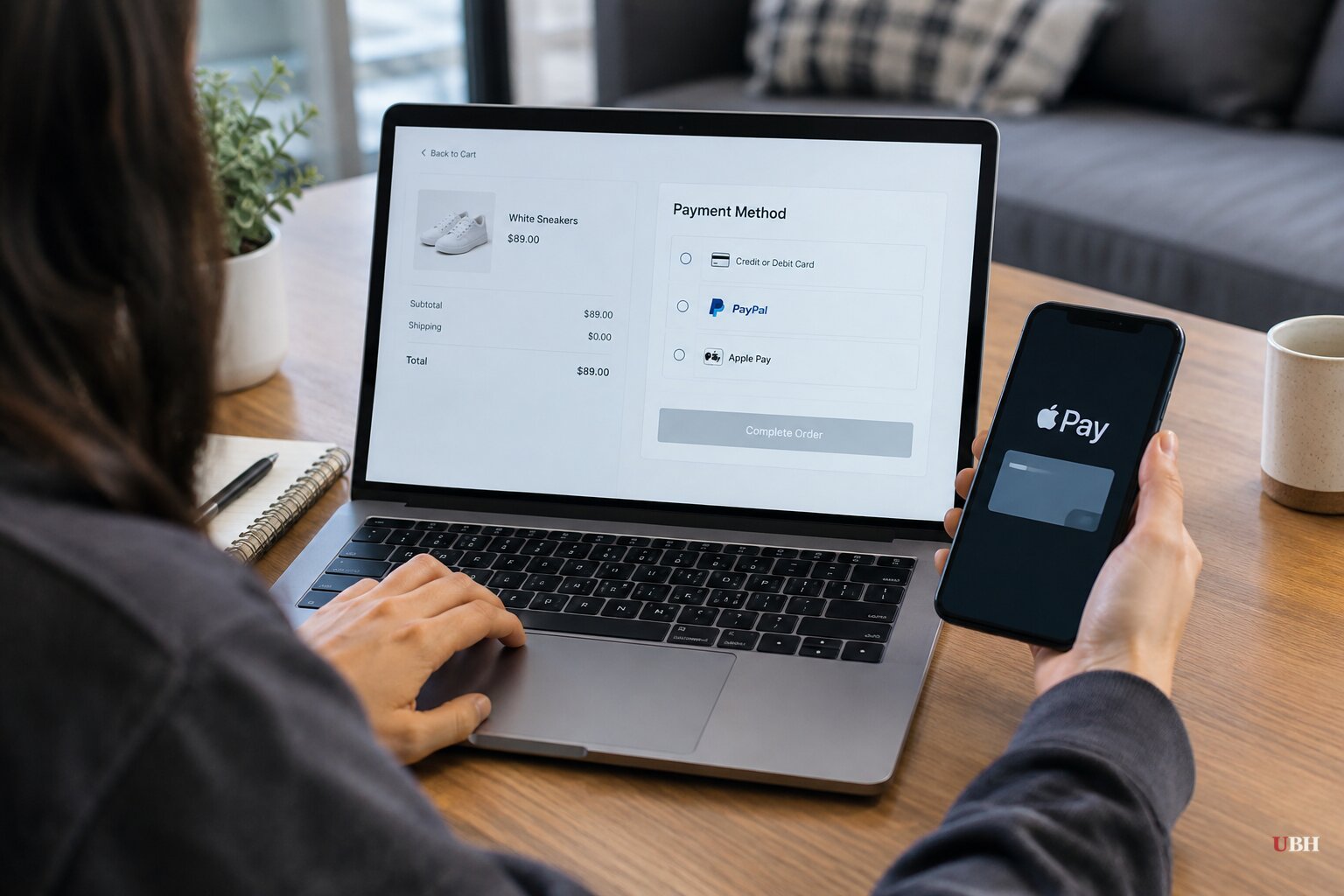
Retailers that don't offer Apple Pay, Google Pay, or PayPal at checkout are losing Gen Z customers who already filled their cart. That's the headline finding from a study by PYMNTS Intelligence, reported by Engadget and Nile1, which found 36% of Gen Z shoppers abandoned an online purchase in the last 30 days because their preferred payment option wasn't available. That's 1.7 times the overall consumer average. Millennials weren't far behind at 31%.
Gen X abandoned carts at a 15% rate. Boomers and seniors barely noticed the problem, walking away only 8.3% of the time. Collectively, PYMNTS found 40 million Gen Z and millennial shoppers bailed on a purchase in a single 30-day window over payment friction.
The number matters because of what's coming. Gen Z's spending power is projected to hit $12 trillion by 2030, according to the same PYMNTS research. Digital wallets already accounted for 40% of US online purchases and 17% of in-store spending in 2025, according to payment technology firm Global Payments. Total US digital wallet spending is forecast to reach $4.1 trillion by 2030, a 64% jump from 2025 levels.
The Numbers Don't All Agree
A separate writeup from YPulse, citing the same PYMNTS and PayPal research, put the Gen Z cart-abandonment figure at 28%, not 36%. YPulse also reported Millennials at 18% and Gen X at 10%, both noticeably lower than the figures Engadget and Nile1 cited from the same underlying study.
Those are different numbers describing supposedly the same behavior. It's not clear from the available reporting whether YPulse and Engadget pulled from different questions in the same PYMNTS dataset or different survey waves entirely. Either way, readers should treat the headline-grabbing 36% figure as one data point from a single commissioned study, not settled fact.
YPulse deserves credit for flagging the obvious conflict of interest up front, writing plainly that PYMNTS and PayPal are "not unbiased sources" before citing their numbers anyway. That's a fair disclosure other coverage of this study skipped. PayPal has an obvious commercial interest in convincing retailers that skipping PayPal integration costs them sales. According to Nile1's reporting of the same PYMNTS data, 17.7 million consumers abandoned a purchase recently because PayPal specifically wasn't offered, and 11.1 million cited the absence of PayPal's Pay Later option as the deciding factor. That's a company-funded study finding that company's own product is indispensable.
The Debt Angle Nobody's Headline Mentioned
The more interesting number buried in the PYMNTS data is about who's actually walking away. Consumers living paycheck to paycheck who struggle to pay bills abandoned carts at a 29% rate when their preferred payment wasn't offered, according to Engadget's reporting. Financially stable shoppers did the same thing only 11% of the time, less than half as often.
That gap lines up with Gen Z's broader financial picture. The generation's unemployment rate sits at 8.3%, double the national average, and 42% of employed Gen Z workers report living paycheck to paycheck, per the PYMNTS data. For a lot of these shoppers, the "preferred payment method" isn't a convenience preference. It's buy-now-pay-later financing that lets them split a purchase into installments because they can't cover it upfront.
Black Enterprise, citing Business Insider and a 2025 Federal Reserve report, found adults 24 and younger make 45% of purchases by phone, nearly double the 23% rate across all age groups, while cash accounts for just 14% of purchases overall. J.D. Power data cited in that same report found Gen Z used buy-now-pay-later services more than credit cards during the 2024 holiday season. PayPal's own data, also cited by Black Enterprise, found consumers spend MORE when BNPL options are available at checkout.
An industry pitching itself as solving a "payment friction" problem is also the industry profiting when financially stretched young adults split purchases into installments they might not otherwise make. A Cash App survey found 54% of Gen Z respondents said they're more likely to spend money thoughtlessly when it's not physical cash, according to Black Enterprise. Retailers chasing Gen Z's digital wallet habits aren't just closing a sales gap. They're also leaning into a generation's documented tendency to spend more freely when the money feels less real.
Retailers are not wrong to add Apple Pay or PayPal to checkout. It's their business and their customers' money; that's basic market responsiveness. But the framing matters. Separate the retail-convenience story from the debt-financing story, because the PYMNTS and PayPal data blur the two, and no outlet in this set fully untangled them.
Separately, a report from Eagle Eye, Deloitte Digital, and Google Cloud found 41% of consumers had used AI platforms like ChatGPT or Gemini for product discovery as of January 2026, with Amazon reporting 300 million users of its Rufus AI shopping assistant in 2025, according to Asian Business Review. That shift, layered on top of the payment-method fight, means retailers are now racing to win customers on two fronts at once: how shoppers find products, and how they pay for them once they're found. Whether retailers can actually afford to chase both trends simultaneously remains an open question none of the available research answers.
Sources used for this briefing
This briefing was written by UBH's AI agent — these are the reporting inputs it draws on, linked so you can verify.


