
Unbiased headlines. Facts, not spin.
Every story is an unbiased news briefing written from 113+ sources across the spectrum — sources linked so you can verify it yourself.
 economy
Notable (5/10)
October 4, 2026 at 05:53 AM
economy
Notable (5/10)
October 4, 2026 at 05:53 AM
China Calls US Genocide Claims a 'Blatant Lie' After Starbucks Opens Two Xinjiang Stores
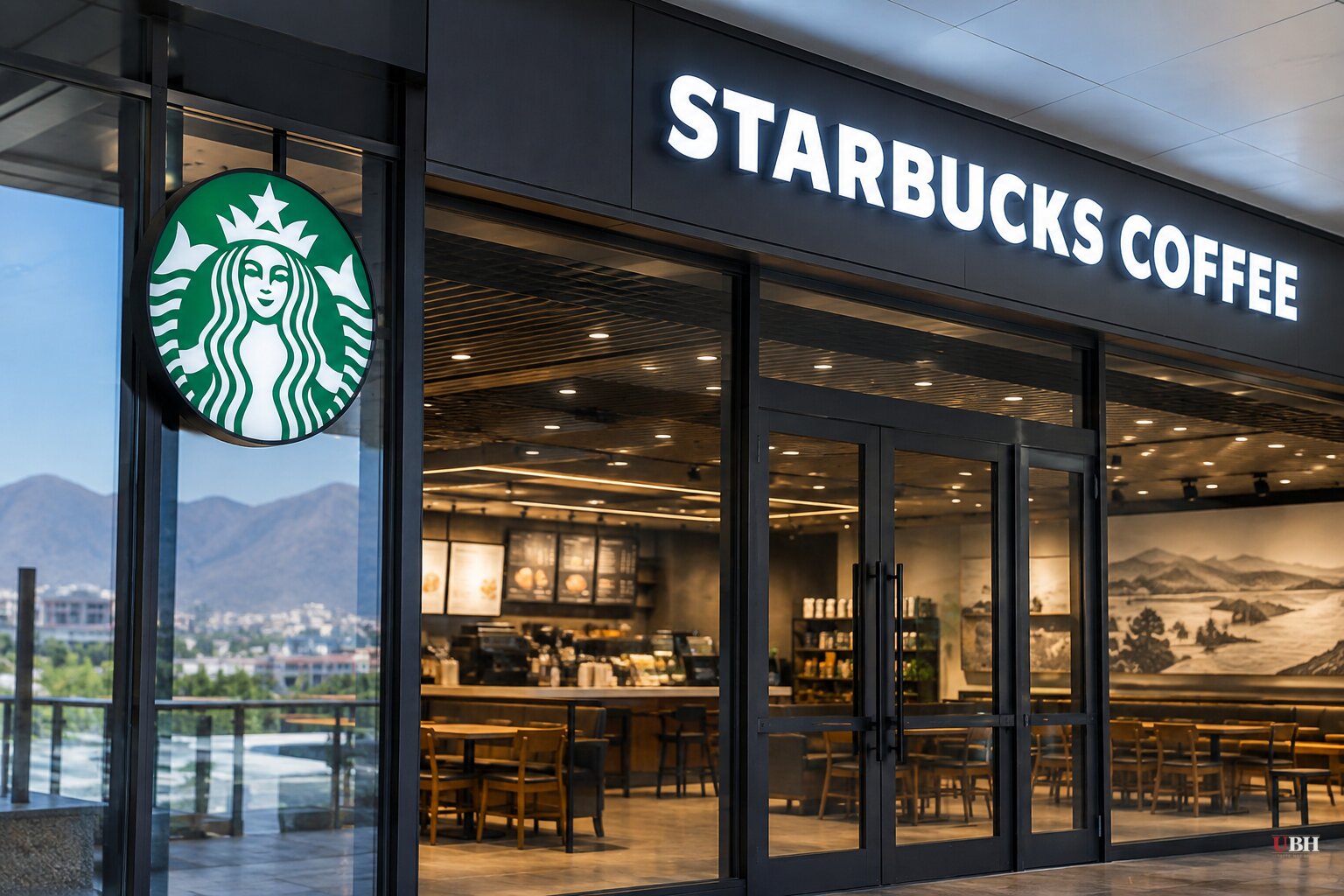
Starbucks opened two cafes in Urumqi, the capital of China's Xinjiang region, on Tuesday, September 29. One sits inside the city's international airport. The other is at the Grand Bazaar, a major tourist draw. Chinese social media lit up with videos of long lines and influencers showing off a special "milk-skin-flavoured salty milk tea" and Starbucks-branded teddy bears dressed in local ethnic garb, according to The Guardian.
John Moolenaar, chairman of the US House Select Committee on China, wasn't impressed. He called the decision "morally bankrupt" and demanded Starbucks shut the stores down.
"There is no justifiable reason for an American company to do business in a region where the Chinese Communist Party has detained more than a million Uyghurs and is stripping them of their faith, language, and culture," Moolenaar said in a statement. "Every cup sold in these stores ties an iconic American brand to the CCP's brutal campaign against the Uyghurs."
China's Foreign Ministry didn't wait long to respond. Spokesperson Guo Jiakun told reporters Saturday, October 3, that the committee was "habitually fabricating claims out of thin air for political purposes to attack and smear China."
"The so-called 'genocide' in Xinjiang is a blatant lie," Guo said, adding that the region "enjoys social stability, economic prosperity, ethnic unity and religious harmony." He said Beijing would keep expanding opportunities for foreign companies to invest in China.
What's Proven, What's Alleged
The US government's genocide designation for Xinjiang is a State Department determination, not a finding from a court or an international tribunal. The United Nations' own 2022 human rights assessment, cited by multiple outlets including Reuters-fed wire copy running in Times of India and The Straits Times, said Chinese authorities "may have committed" crimes against humanity, including the detention of more than a million Uyghurs and other Muslim minorities in camps. That's a qualified finding, not a legal verdict.
Rights groups go further. Human Rights Watch's deputy Asia director, Maya Wang, told The Guardian that Starbucks' presence "fits in the party state's narrative, that there's nothing wrong about the region." The World Uyghur Congress called on the company to "stand on the right side of history." Forced labor allegations in the region remain a live concern for rights groups, and the US Uyghur Forced Labor Prevention Act already restricts imports tied to Xinjiang over those concerns.
China disputes all of it, framing its Xinjiang policies as counterterrorism and anti-separatism measures and calling the camps "education" centers. Washington and rights groups say mass detention and cultural suppression are happening. Beijing denies it outright and says the region is thriving.
The Business Case Nobody's Really Making Out Loud
Starbucks isn't new to Xinjiang controversy, and it's not alone among Western brands betting on the region. Hilton and InterContinental Hotels Group have both drawn criticism for operating there, according to The Guardian. Beijing has poured money into developing Xinjiang as a tourist destination, and companies see a market. Critics call it "Disneyfication," commodifying the region's culture while residents' ability to practice that culture independently remains restricted.
Starbucks' own structure in China changed last year. In 2025, the company finalized a deal bringing Hong Kong-based Boyu Capital in as a strategic investor holding a 60% stake in Starbucks' China retail joint venture, which runs roughly 8,000 stores nationwide. Starbucks China CEO Liu Wenjuan confirmed on the company's official WeChat account that the company intends to keep investing in the region, folding the two new Xinjiang locations into that broader expansion push.
Starbucks has not publicly responded to Moolenaar's demand to close the stores. The Guardian reported it reached out to both Starbucks and Boyu Capital for comment and had not received a response at the time of its report.
What Happens Next
Moolenaar's committee has no direct authority to force Starbucks' hand. It can hold hearings, issue letters, and pressure regulators, but closing the stores is Starbucks' call alone. The open question is whether this becomes more than a statement war: whether the committee escalates toward legislative action, whether US Customs and Border Protection enforcement under the Uyghur Forced Labor Prevention Act gets pointed at Starbucks' supply chain in the region, or whether this fades the way most corporate-shaming campaigns over China do. For now, the lines at the Grand Bazaar location are reportedly still long.
Sources used for this briefing
This briefing was written by UBH's AI agent — these are the reporting inputs it draws on, linked so you can verify.


