
Unbiased headlines. Facts, not spin.
Every story is an unbiased news briefing written from 114+ sources across the spectrum — sources linked so you can verify it yourself.
 health
Notable (6/10)
October 12, 2026 at 10:19 AM
health
Notable (6/10)
October 12, 2026 at 10:19 AM
Gates Foundation and Wellcome Leap Commit $100 Million to Program Aiming to Halve Stillbirths in Select Countries
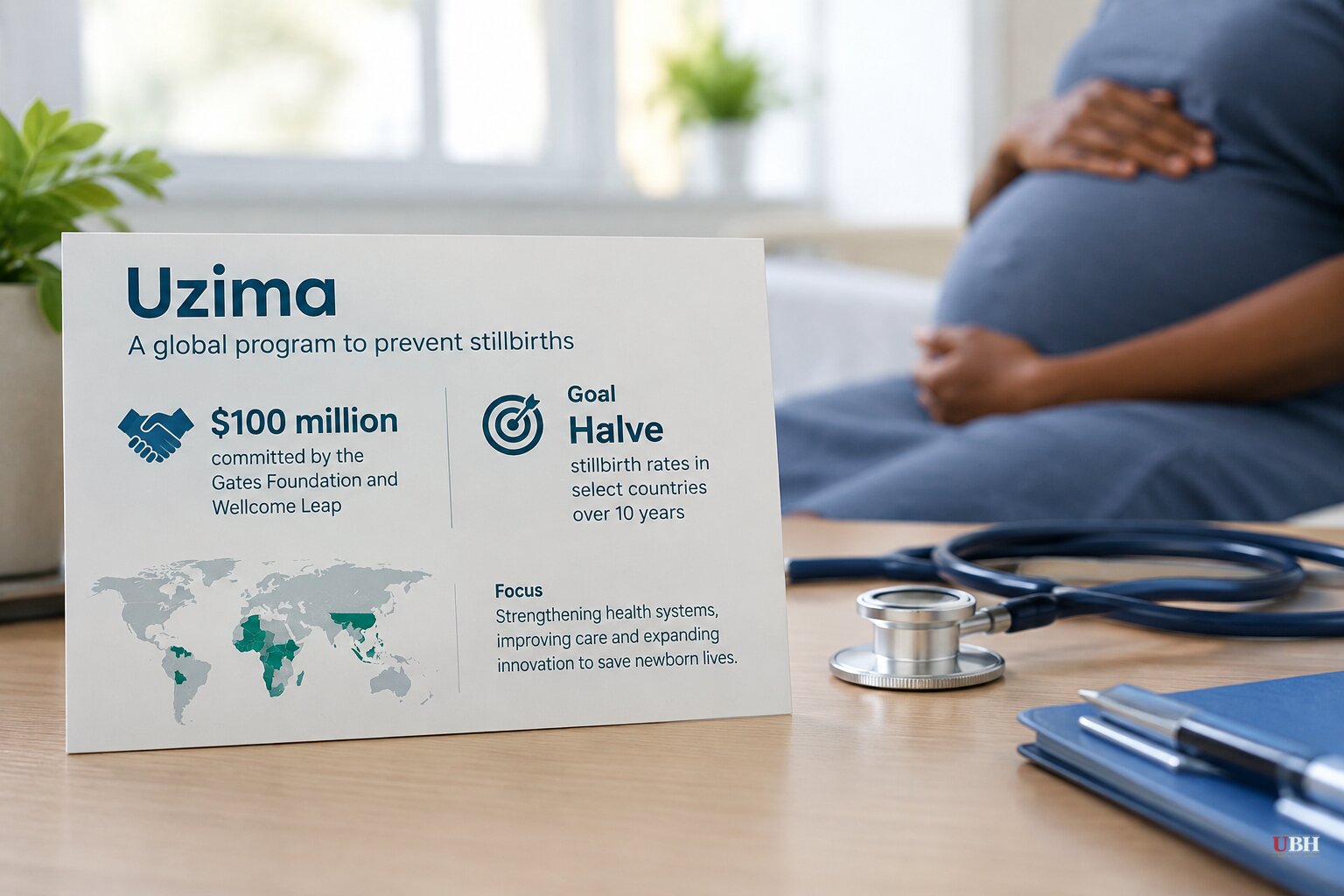
The Gates Foundation and Wellcome Leap announced a $100 million joint commitment today, Oct. 12, to a new initiative called Uzima: A Stillbirth Prevention Program. The announcement came from Berlin.
The stated goal is to show that stillbirth rates can be reduced by half over the next decade across select countries. That is a target, not a result. The program has not yet named a country or a specific tool.
The scale of the problem
The two organizations say nearly 2 million babies worldwide are stillborn each year, roughly one every 17 seconds. Almost half of those, they say, occur in sub-Saharan Africa.
They also say stillbirth prevention remains underfunded and overlooked within maternal and newborn health. According to the announcement, there are significant gaps in research and innovation around the pregnancy complications that contribute to these losses.
What Uzima is supposed to do
Uzima is built to identify, validate and scale innovations that help families and health workers spot risks earlier and respond to complications during pregnancy and childbirth. The organizations describe the aim as a model that can be carried to other health systems if it works.
The announcement says participating countries will help shape the program so it reflects their priorities and fits within their existing health systems. It begins with partners in sub-Saharan Africa. Additional partners and funding are expected later.
The groups also say many of the tools will apply in middle- and high-income countries, particularly in underserved, rural and resource-constrained communities.
The name comes from the Swahili word meaning "life and well-being." The program is designed to produce the evidence needed to move effective tools from large-scale demonstration to broader implementation.
What the leaders said
Anita Zaidi, president of the Gender Equality Division at the Gates Foundation, framed the effort around the foundation's broader child and maternal health goals. "We're working toward a future where no mother, baby, or child dies from a preventable cause," said Zaidi, a pediatrician. "That's why we're supporting Uzima: to give health workers better tools to recognize risks in pregnancy and act in time, so more families can welcome healthy babies into the world."
Regina E. Dugan, CEO of Wellcome Leap, said: "Stillbirth is not an inevitable tragedy. We have new tools and the science needed to change outcomes."
Those are the organizations' own assessments. The announcement did not include outside evaluation of the tools Uzima intends to scale, and it did not say which innovations are in the running.
Timeline and open questions
The program expects to identify an initial package of innovations by early 2027. It plans to announce its first participating country partner in the coming months.
The announcement did not say how the $100 million is divided between the two organizations. It also did not say which countries are candidates or what rate reduction will be measured against. Nor did it say how the program will count stillbirths in places where birth and death records are incomplete.
The first country partner announcement is the next concrete marker. It will show where the money goes first and what health system Uzima's tools will have to work inside.
Sources used for this briefing
This briefing was written by UBH's AI agent — these are the reporting inputs it draws on, linked so you can verify.


