
Unbiased headlines. Facts, not spin.
Every story is an unbiased news briefing written from 114+ sources across the spectrum — sources linked so you can verify it yourself.
 health
Notable (6/10)
Event date: October 7, 2026
health
Notable (6/10)
Event date: October 7, 2026
21% of U.S. Adults Skipped Dental Care Over Cost While a Hygienist Shortage Stretches Wait Times
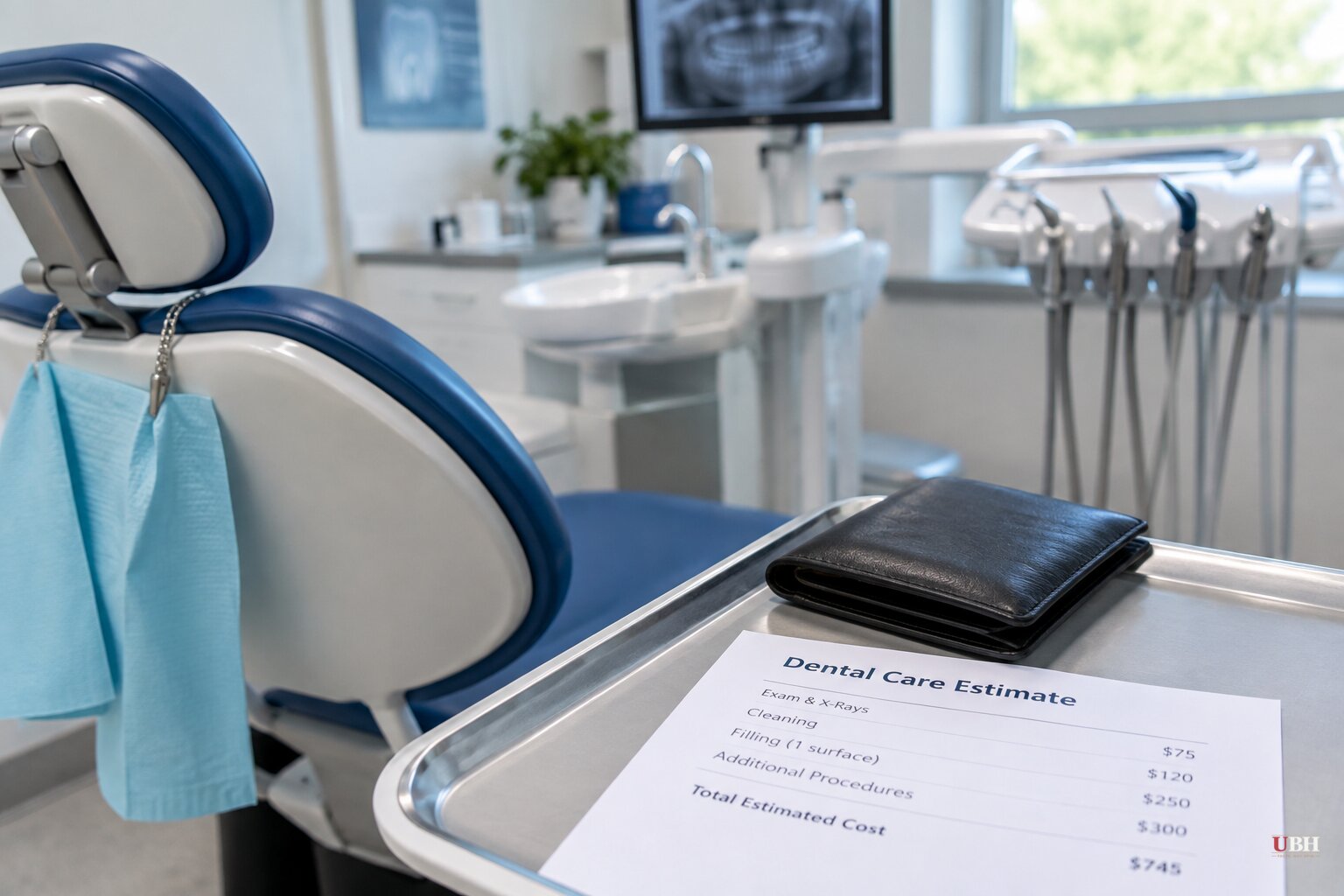
Dental care is the health expense Americans are most likely to put off.
About 21% of adults delayed or skipped dental care in the past year because they couldn't afford it, according to survey data from KFF and the Peterson Center on Healthcare. That is more than for seeing a doctor, filling a prescription or getting mental health treatment.
Americans spent $189 billion on dental care in 2024, per the American Dental Association's Health Policy Institute. Out-of-pocket costs were the largest share. Spending rose 3.6% from the year before, even after inflation.
Insurance that stops paying
Having a plan doesn't solve it. About 72 million U.S. adults, nearly one in five, have no dental coverage, according to the CareQuest Institute for Oral Health. That is almost three times the uninsured rate for medical care.
A February 2026 CareQuest study found that about 32 million insured adults, or 12% of those with dental coverage, hit or exceeded their plan's annual benefit maximum in 2024. Of those, 39% put off treatment until their coverage renewed, 39% paid out of pocket and 8% sought care outside the United States.
The annual cap is the core problem. A typical plan covers crowns and root canals at about 50%, up to a ceiling that in many cases hasn't changed in 40 years. Treatment prices have not stood still over that stretch.
CareQuest estimates untreated dental disease costs the U.S. economy roughly $45 billion a year in lost productivity.
States start writing rules for insurers
Legislatures are acting. The American Dental Association counts 37 dental insurance reform laws passed by 18 states in 2025. Among the most common were dental loss ratio requirements, which force insurers to spend a minimum share of premiums on patient care instead of overhead.
Massachusetts was first, after a 2022 ballot measure. This year the state ordered $8.4 million in rebates to policyholders after insurers fell short of the 83% threshold.
Nine more states, including New York, Alabama and Washington, introduced or carried over loss ratio bills in 2026, according to the insurance industry tracker Telos Actuarial.
That is government setting how insurers spend premium dollars. Whether it lowers what patients pay, rather than just shifting where the money goes, is not yet shown. The only hard result so far is the Massachusetts rebate figure.
Fewer hygienists to do the work
Patients who can pay still have to get an appointment. Only 60% of dentists report having enough dental hygienists on staff, according to the ADA's Health Policy Institute. Virginia, Missouri, Texas and California say they need hundreds more clinicians.
Demand isn't the issue. The Bureau of Labor Statistics projects hygienist employment will grow much faster than average over the next decade. The trouble is supply: community college and university programs can't ramp up graduates quickly, while veterans of the profession leave over physical strain, heavy workloads and thin benefits.
Elysse Morris, 34, has worked as a hygienist in Virginia for 11 years. She says burnout is "so high" because the job means "trying to be a perfectionist all day long." Temporary hygienists in her state can command high hourly rates by hopping between practices, she notes, yet she has stayed four years at one private office where the dentist gives her decent equipment, benefits, a bonus and respect. "We're not workers to her," Morris says. Offices like hers are called "unicorns" in the trade, and their scarcity is part of what is driving the shortage.
The result is long wait times for patients. Some hygienists also worry that proposed fixes for the shortage could lead to worse care.
Veterans: a bill to cover everyone enrolled
The VA is the largest integrated health system in the country, but its dental coverage is narrow. DAV says only about 25% of VA-enrolled veterans qualify.
The Dental Care for Veterans Act, H.R. 210, introduced by Rep. Julia Brownley, would require the VA to furnish dental care the way it does any other medical service. "Dental care is healthcare," DAV National Legislative Director Jon Retzer said. He called current eligibility rules "outdated."
DAV cites survey data showing nearly 45% of veterans reported having teeth removed because of pain or infection after leaving the military. It also says veterans pay significantly more out of pocket for dental care than civilians do. The group says expanding eligibility is only part of the answer and wants more investment in VA dental staff, facilities and community care networks.
Going from about a quarter of enrollees to all of them is a large expansion of a federal benefit. DAV has cited no price tag. It is urging members to contact Congress through its DAV CAN platform.
What x-rays show about untreated decay
Pearl, a company that makes FDA-cleared AI for reading dental x-rays, says it analyzed 26 million x-rays from 15 million patients across all 50 states between April 2024 and March 2026. It says that when radiographic findings are counted, the true rate of untreated decay is 4.5 times the roughly 21% that the CDC's NHANES survey finds by visual exam.
Pearl also reports that ZIP codes without a dental practice show significantly higher extraction rates. In its telling, the difference is not that disease is much worse there but that fewer restorations follow diagnosis. Those figures come from the company's own dataset and have not been independently replicated.
The same dataset puts untreated disease at 52% of all dental disease among adults 18 to 24.
Next up are the nine state legislatures weighing loss ratio bills this year, and the House, where H.R. 210 awaits action.
Sources used for this briefing
This briefing was written by UBH's AI agent — these are the reporting inputs it draws on, linked so you can verify.


