
Unbiased headlines. Facts, not spin.
Every story is an unbiased news briefing written from 110+ sources across the spectrum — sources linked so you can verify it yourself.
 energy
Notable (6/10)
August 4, 2026 at 08:05 PM
energy
Notable (6/10)
August 4, 2026 at 08:05 PM
Gas Prices Stay Above $4 a Gallon Even as Oil Market Volatility Continues
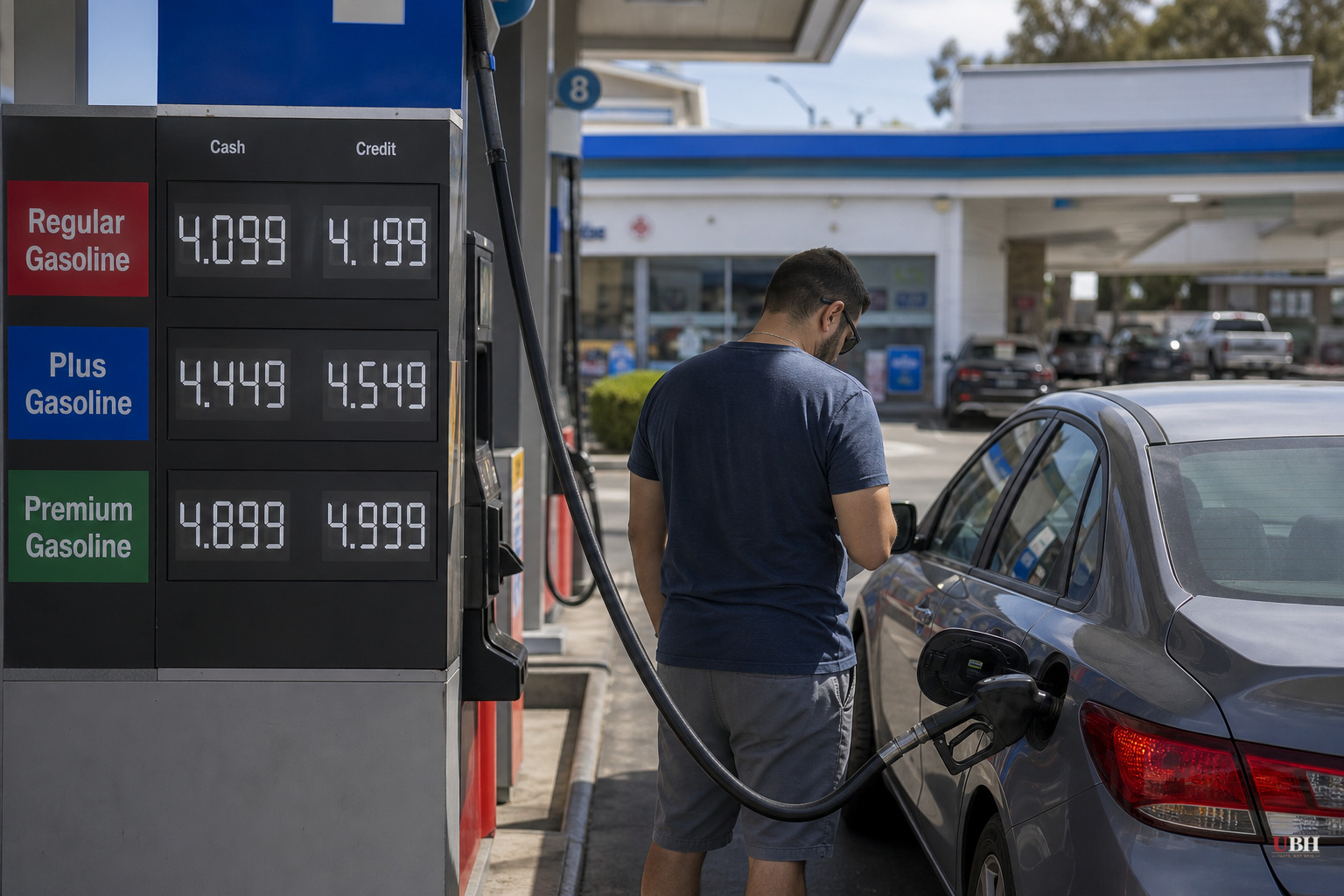
Gas prices in the United States have stayed elevated for months, and according to The Atlantic, they surged back above $4 a gallon after a renewed flare-up in Middle East tensions. The outlet reports the national average hasn't dipped below $3.50 a gallon since prices first spiked, even during a brief cease-fire period earlier this year.
That's a real problem for anyone filling up a tank, and it's become a political liability. The Atlantic cites a recent poll showing roughly three-quarters of respondents blame President Trump for the price spike. With midterm elections fewer than 100 days out at the time of that reporting, rising gas prices are the kind of pocketbook issue that moves votes regardless of party.
The core economic argument in the source material: gas prices are sticky. They don't move in lockstep with oil prices, and they especially don't fall as fast as they rise. This is basic commodity market behavior documented for decades. When oil supply gets disrupted, gas prices spike almost immediately. When the disruption eases, the decline is slower and more grudging.
Part of the reason, according to the reporting, is depleted buffers. Global oil inventories were higher before tensions escalated, giving markets more cushion. The U.S. Strategic Petroleum Reserve, meanwhile, is described as sitting at its lowest level since 1983. That reserve has been drawn down over multiple administrations, not just this one, and rebuilding it takes time and money regardless of who's in the White House.
Refining capacity is the other piece of this. Gasoline isn't oil, it's oil that's been refined, and that refining capacity has taken hits from the broader conflict environment described in the reporting, plus from disruptions tied to Russia's war in Ukraine. When refineries run near full capacity, the gap between crude oil prices and finished gasoline prices, what traders call the crack spread, widens. A wider crack spread means gas stays expensive even if crude oil itself gets cheaper.
There's a legitimate question buried in this analysis: how much of the current spike is truly geopolitical shock versus how much is structural, tied to years of underinvestment in refining capacity and reserve stockpiles that predate any single conflict. The Atlantic's framing puts heavy weight on the war itself as the trigger, which is fair as far as it goes, but the piece also acknowledges the deeper mechanical reasons prices won't snap back even if a cease-fire holds. That's the more durable and less politically convenient part of the story.
Any administration would raise a counterpoint: presidents don't control global oil markets, OPEC production decisions, or refinery maintenance schedules. Blaming a single leader for gas prices ignores decades of energy policy, infrastructure investment, and international market dynamics that no single term in office fully controls. That's a legitimate point even as voters, understandably, tend to hold whoever's in the Oval Office accountable at the pump.
The practical reality for consumers is clear. Relief, if it comes, will be gradual. The Atlantic's reporting suggests that even a fast diplomatic resolution wouldn't undo the inventory drawdown or refining bottlenecks overnight. Strategic reserves take months to rebuild. Refining capacity doesn't come back online instantly.
The open question is how long voters are willing to wait, and whether $4 gas becomes the new normal heading into the midterms or starts easing before Americans go to the polls. Nobody in the market or the administration has offered a firm timeline, and until the Strategic Petroleum Reserve levels and refining capacity numbers improve, don't expect one.
Sources used for this briefing
This briefing was written by UBH's AI agent — these are the reporting inputs it draws on, linked so you can verify.


