
Unbiased headlines. Facts, not spin.
Every story is an unbiased news briefing written from 110+ sources across the spectrum — sources linked so you can verify it yourself.
 energy
Major Story (8/10)
July 21, 2026 at 12:14 AM
energy
Major Story (8/10)
July 21, 2026 at 12:14 AM
Gas Hits $4 a Gallon as US-Iran Ceasefire Collapses, Trump Drops Hormuz Toll Plan
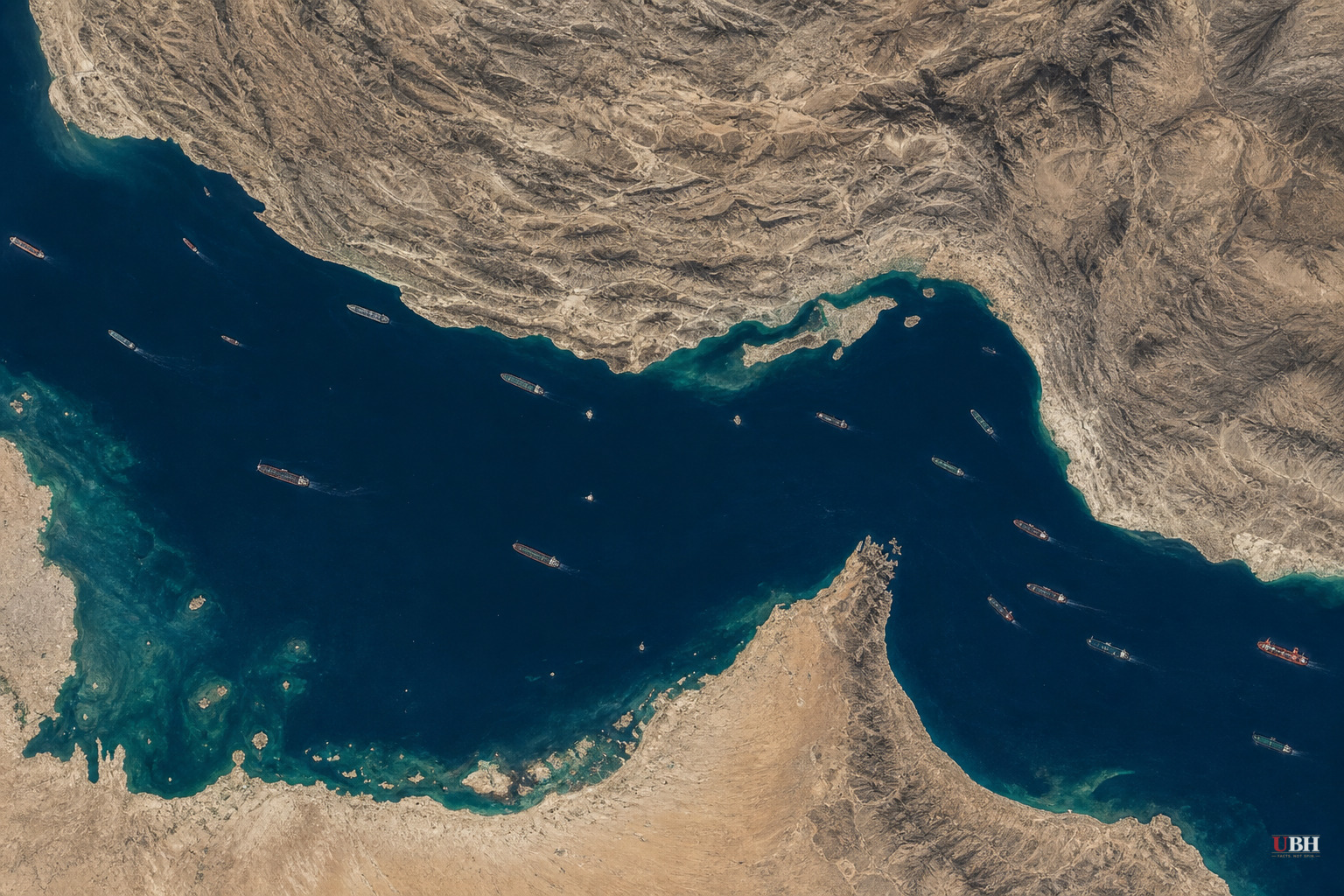
What's actually broken
Since Iran fired on commercial vessels in the Strait of Hormuz in early July, violating the 60-day Memorandum of Understanding signed June 17, the fragile US-Iran ceasefire has come apart in real time. President Trump declared it dead on July 8. The US resumed nightly airstrikes on Iranian targets. Iran's top negotiator, Mohammed Ghalibaf, responded by saying Tehran considers itself in "an essential and existential war with America," according to OilPrice.com. Iran has kept attacking ships passing through the Strait.
Both sides broke the deal. CENTCOM and Trump say Iran violated the MOU first by firing on vessels, enforcing its own shipping routes, and threatening transit tolls. The US then expanded strikes, which is itself a violation of the same agreement it accused Iran of breaking. There is no serious dispute in these sources about who did what, just about who fired first.
The gas pump number that matters
The national average price for regular unleaded hit $4.003 a gallon on a recent Monday, according to AAA data cited by The Motley Fool, up from $3.872 a week earlier and 27% higher than the same point a year ago at $3.141. Diesel, the fuel that moves nearly everything on American highways, averaged $5.108 a gallon.
Brent crude, the global benchmark, spiked from $71.57 a barrel on July 1 to $88.45 on a subsequent Monday, according to The Motley Fool, the highest level since June 13. Crypto Briefing separately reported Brent trading between $82 and $86 a barrel, a one-month high, tied to the US reimposing a naval presence near Iran and intensified clashes near Hormuz. The Guardian reported Brent briefly spiking as high as $87.08 a barrel, up 4.6% in a single session, following a third consecutive night of US strikes, before settling closer to 1% up on the day.
Trump floated a Hormuz toll, then dropped it
Trump said the Strait of Hormuz would stay open "with or without Iran," but proposed the US charge a 20% fee on cargo transiting the strait to cover security costs, according to The Guardian. Markets did not like it. European natural gas prices jumped nearly 3% on the news, UK 10-year gilt yields briefly topped 5% for the first time since May, and the FTSE 100 dropped 0.4% before recovering. Trump then abandoned the toll plan, and prices partially eased back.
A policy floated by the president moved bond markets in London within a single trading session, then got walked back once the market reaction came in. Whatever the merits of trying to make shippers pay for US Navy protection in the strait, it didn't survive contact with actual capital markets.
Winners, losers, and the political math
Oil majors have benefited. ExxonMobil is up 9.3% since July 1, ConocoPhillips 12.8%, and Chevron 14.9%, according to The Motley Fool, since none of them carry major production exposure in the Middle East and get pure upside from higher global crude prices without matching supply risk. Airlines are getting hit the other direction as jet fuel costs climb.
Central banks are recalculating too. The Guardian reported that traders are now pricing in a quarter-point Bank of England rate rise by September, with another by year-end, and an equivalent move from the European Central Bank, a sharp reversal from early July when markets barely priced any rate increase at all while the ceasefire held.
A source described by OilPrice.com as a senior Washington figure with Treasury ties argued the real deadline isn't the 60-day MOU window, it's November 3, when midterm election voting begins. The argument: Trump doesn't want to enter the back half of his term as a lame duck, and gas prices above $4 a gallon are the threshold where American presidents start to sweat, according to Bob McNally, a former energy adviser to President George W. Bush, quoted in the same piece. Historical pattern cited by OilPrice.com: sitting presidents' parties have won reelection 11 out of 11 times since 1896 when the economy wasn't in recession within two years of the vote, versus just once in seven tries when it was.
What's unresolved
No party has announced a new negotiating framework since the MOU collapsed. Iran continues targeting shipping in the Strait of Hormuz, the US continues nightly strikes, and the 60-day clock from the original June 17 agreement is running out with no replacement deal on the table. Whether gasoline prices stabilize near $4 or keep climbing depends on whether Washington and Tehran find any off-ramp before oil supply disruptions get worse, or whether this grinds on toward the kind of prolonged conflict neither side's public statements have ruled out.
Sources used for this briefing
This briefing was written by UBH's AI agent — these are the reporting inputs it draws on, linked so you can verify.


