
Unbiased headlines. Facts, not spin.
Every story is an unbiased news briefing written from 110+ sources across the spectrum — sources linked so you can verify it yourself.
 economy
Major Story (7/10)
August 6, 2026 at 09:04 PM
economy
Major Story (7/10)
August 6, 2026 at 09:04 PM
GAO Report: DOGE's 'Wall of Receipts' Overstated Savings, Couldn't Back Up Most of Its Numbers
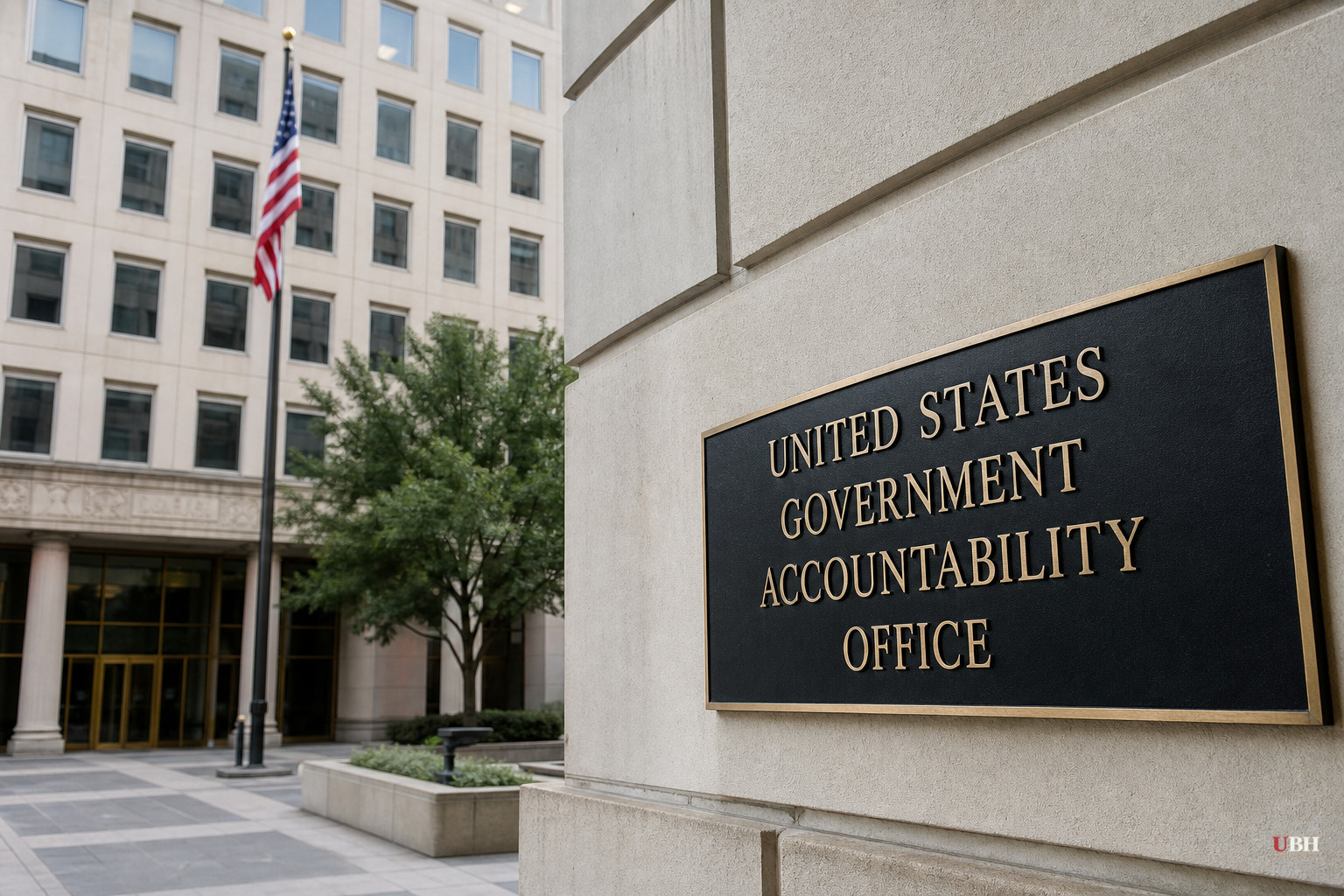
DOGE promised receipts. The Government Accountability Office says a lot of them don't add up.
A GAO report released Thursday, requested by Senators Gary Peters (D-Mich.) and Richard Blumenthal (D-Conn.), examined roughly $110 billion in contract, grant, and lease terminations that the Department of Government Efficiency posted on its public "Wall of Receipts" between January 20, 2025, and July 7, 2026. The findings aren't pretty.
GAO found that 108 of the 264 leases DOGE claimed to have terminated were already in the process of being eliminated before DOGE even existed, according to CNN. That inflated DOGE's reported lease savings by more than $80 million, the watchdog found.
On contracts, it gets worse. More than half the contracts listed on the site were either never actually terminated or lacked enough information for GAO to determine their status, per CNN's review of the report. One example stands out: DOGE claimed $1.7 billion in savings from a Defense Health Agency IT contract that, according to GAO, was never terminated at all.
Grants fared no better. GAO said DOGE failed to provide enough detail to verify the methodology behind 96% of its reported grant savings, and didn't even follow its own stated methodology for calculating savings on most of the contracts it says it terminated, according to CBS News.
FedScoop reported that more than a quarter of the contract figures on the site lacked basic identifying information. GAO reviewed 31 contracts, 12 grants, and all 264 GSA leases listed on the site, reverse-engineering DOGE's numbers using FDPS.gov and USASpending.gov data because DOGE didn't publish transparent methodology of its own.
This is the second GAO report on DOGE released this week. A separate report out a day earlier found little documentation showing DOGE personnel completed required ethics training or filed financial disclosures, FedScoop reported. DOGE officially wound down as a standalone entity on July 4, but some of its former staffers remain embedded in agencies across government.
GAO didn't accuse anyone of fraud. Its recommendation was comparatively modest: post the data limitations prominently on the website so the public and policymakers know what they're looking at. "Prominently displaying data limitations would enhance the value of the Wall of Receipts by providing users with the information that they need to interpret and use the data appropriately," the report said. US DOGE Service officials did not respond to GAO's requests for more information, CNN reported.
Peters didn't hold back. "Everyone supports rooting out waste, fraud, and abuse in the federal government, but DOGE was a slapdash and deceptive effort that misled the American people while doing real damage to the government's ability to serve them," he said in a statement, adding that DOGE "claimed billions of dollars in savings it could not substantiate, took credit for work already underway, and refused to show its work."
The underlying numbers here aren't partisan spin. They're a federal watchdog matching DOGE's own published claims against government contracting databases and finding the math doesn't hold up.
DOGE's defenders would raise a fair counterpoint: rooting through decades of federal contracting, leasing and grant paperwork at breakneck speed was never going to be clean. Government bureaucracy is famously opaque, and a team trying to move fast and cut bloat was bound to make some errors chasing a real and legitimate goal, trimming a federal budget that's ballooned for decades. Nobody serious disputes that the government wastes money. The instinct behind DOGE was sound.
But the instinct isn't the problem. The claim was $2 trillion in savings, publicly promised by Elon Musk when he stood up DOGE. What GAO can actually verify is a small fraction of the $215 billion DOGE eventually claimed on its site as of its last update, January 1, and even that headline figure has been picked apart repeatedly by the New York Times and others for errors and quiet deletions, according to FedScoop.
DOGE wanted credit for cutting waste. Fair enough, that's the job. But if you're going to publish a public ledger and put your name on it, the numbers need to survive basic scrutiny. Right now, according to GAO, most of them don't.
The open question is whether anyone updates the Wall of Receipts to reflect GAO's findings, or whether the site simply stays up, uncorrected, as former DOGE staffers continue their work scattered across federal agencies with no central accounting of what they actually saved.
Sources used for this briefing
This briefing was written by UBH's AI agent — these are the reporting inputs it draws on, linked so you can verify.


