
Unbiased headlines. Facts, not spin.
Unbiased Headlines is an independently owned news organization. We bring you the facts, not opinions, written fresh from 110+ named sources. Sources linked so you can verify it yourself.
 economy
Major Story (8/10)
Event date: August 16, 2026 ·
economy
Major Story (8/10)
Event date: August 16, 2026 ·
G7 Taps 100 Million Barrels of Reserves as IMF Warns Energy Buffers Are Running Thin
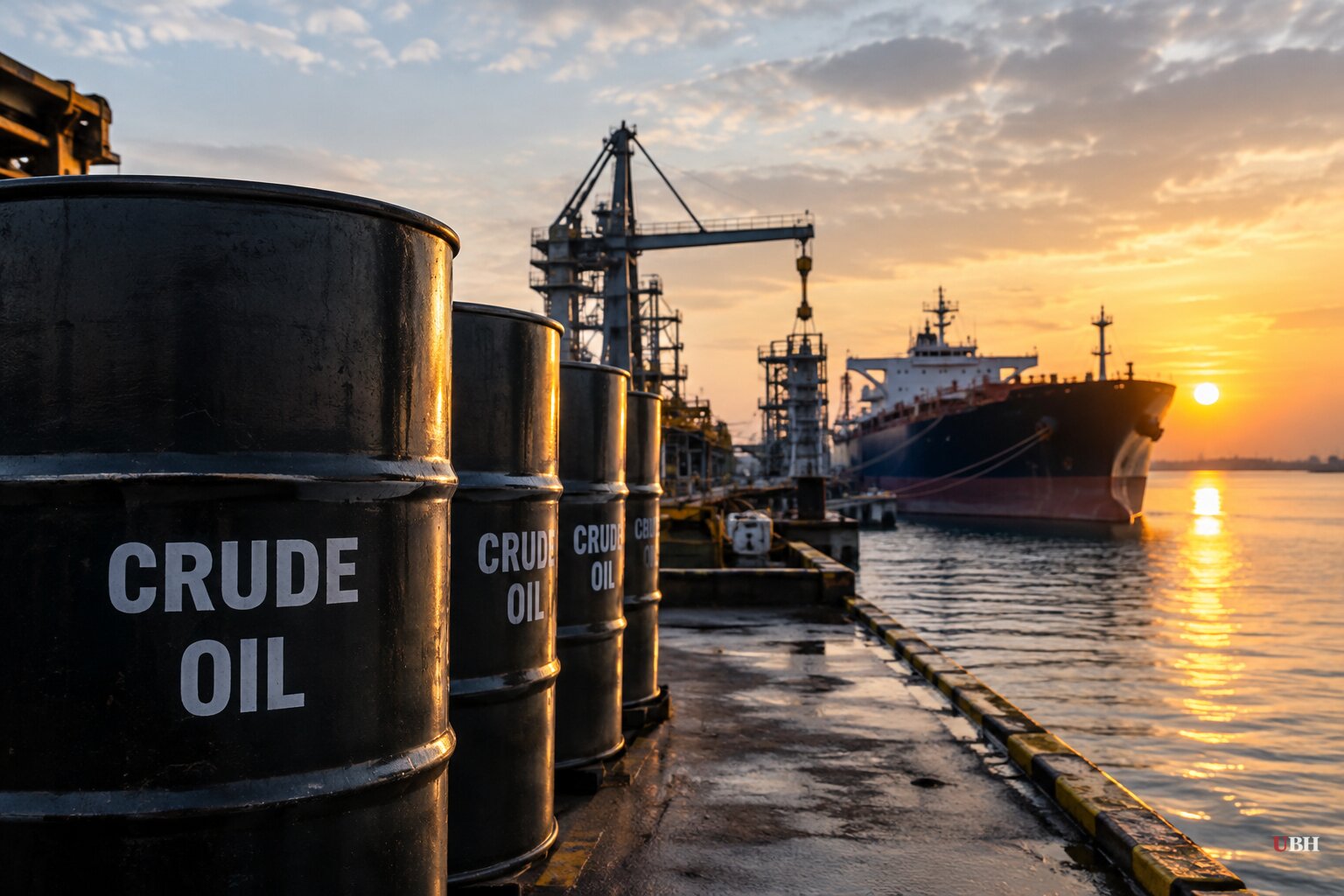
The G7 has agreed to a coordinated release of 100 million barrels of crude oil and diesel from emergency reserves, with the drawdown running through the IEA for about four months. The group's joint statement promised a "substantial diesel release within the first 20 days" and further talks on "additional diesel releases as necessary."
The decision came after a video conference of G7 leaders chaired by French President Emmanuel Macron. It follows U.S. pressure, including a threatened American diesel export ban that was dropped once the deal was reached.
Diesel at a record
The urgency is visible at the pump. AAA put the average U.S. diesel price at $6.50 a gallon in late September, up from $5.61 a month earlier. That is a record. Oil settled more than $4 a barrel higher on the Thursday before the G7 announcement.
The G7 has not said how many barrels each member will contribute. The group includes Canada, France, Germany, Italy, Japan, the United Kingdom and the U.S., with the European Union also represented.
This is the second big draw this year. IEA Executive Director Fatih Birol said earlier this month that members had released about two-thirds of a separate 400 million barrel agreement.
What the IMF says
In its quarterly World Economic Outlook on Tuesday, Oct. 13, the IMF raised its 2026 global growth forecast by 0.1 percentage point to 3.1%. Stronger expectations for developed economies drove the upgrade, partly offset by a downgrade for emerging markets.
The Middle East took the sharpest hit. The IMF cut its Saudi Arabia forecast by five points to a 3.3% contraction.
The fund credited "increased energy production in other countries; inventory drawdowns; substitution to other sources of energy, including renewables; and higher energy efficiency" for cushioning the blow. "Without these margins of adjustment, the oil disruption alone would have significantly reduced global growth in 2026," it said.
The IMF still expects oil prices to average 41.3% higher in 2026 than in 2025, then fall 8.7% in 2027. That path implies most of this year's increase sticks.
The cushion is thinner
IMF economic counsellor Silvana Tenreyro was blunt about what comes next. "Without shoring up supply capacity and replenishing policy buffers, the global economy could soon test the limits of resilience," she said. "Inventories in energy markets are dwindling."
Hamad Hussain, a climate and commodities economist at Capital Economics, made the same point about the G7 move. The release "will put some downward pressure on prices, particularly global diesel prices," he said. "However, the impact would be short-lived given that this is just a temporary solution to the supply crunch."
Other supply moves are also reshaping the market. China has temporarily banned exports of some refined products. Russia has limited diesel exports after Ukrainian strikes on its refineries. Russia has also agreed to sell some volumes to the U.S., according to the IMF-related reporting. President Donald Trump said on Oct. 10 that a deal had been reached to receive Russian diesel, which signals a temporary exemption from sanctions on Moscow.
Bangkok meetings
The World Bank and IMF Annual Meetings opened Oct. 12 in Bangkok and run through Oct. 18, with G20 and G7 finance ministers and central bankers also meeting. Treasury Secretary Scott Bessent is not attending.
World Bank President Ajay Banga said conditions have avoided the worst case feared right after the Strait of Hormuz closed, but that downward pressure is building again. He pointed to El Niño, fertilizer prices, energy costs and debt hitting at once. IMF Managing Director Kristalina Georgieva told audiences ahead of the meetings that "winter is coming."
The debt picture adds pressure. Public debt is at its highest level since World War II, and interest payments in developing countries now exceed 10% of government revenue, according to figures cited around the meetings.
What's next
The G7 said it will convene again through the IEA to decide on additional diesel releases. The first 20-day diesel window will show whether the drawdown can pull pump prices off the record. The IMF's forecast of a slow decline in 2027 suggests the answer is not soon.
No official has said how or when the emptied reserves will be refilled.
Sources used for this briefing
3 links from 3 independent newsrooms (syndicated copies of the same report count once)
These are the sources it draws on, linked so you can verify.


