
Unbiased headlines. Facts, not spin.
Every story is an unbiased news briefing written from 110+ sources across the spectrum — sources linked so you can verify it yourself.
 energy
Notable (5/10)
August 7, 2026 at 01:43 AM
energy
Notable (5/10)
August 7, 2026 at 01:43 AM
Fuel Theft in the UK Jumps as War-Driven Pump Prices Hit Records
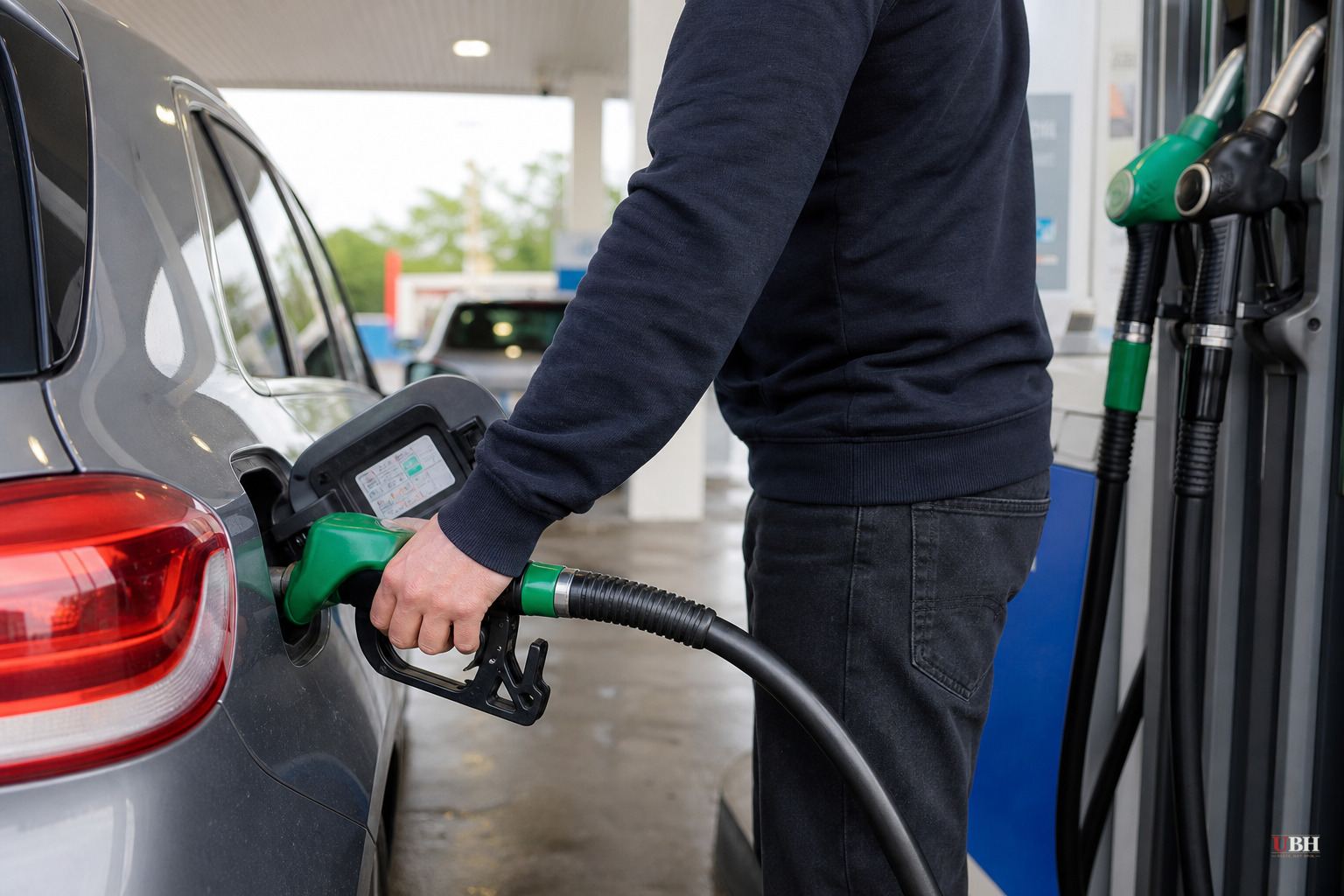
British motorists are driving off without paying at a scale that's costing petrol stations an estimated £200,000, roughly $270,000, every single day. That's according to Forecourt Eye, a UK fuel-crime prevention platform that tracks data from 550 forecourts nationwide.
Forecourt Eye compared the five months before the war between the United States, Israel and Iran began on February 28 to the five months after. Fuel theft incidents rose 20% in that window. The volume of fuel stolen jumped 24%, from about 87,000 litres a day to 108,900 litres, according to Forecourt Eye data reported by Peoples Gazette. In pound terms, the value of stolen fuel climbed 48%, driven largely by the price of the fuel itself rather than a bigger crime wave.
Petrol in the UK has gone from roughly 131.7p to as high as 160p per litre, and diesel from around 141.5p to 179-191p per litre, depending on which pricing snapshot you use, according to figures cited by The Independent and OilPrice.com. RAC, Britain's roadside assistance group, put average gasoline at 159.97p per litre and diesel at nearly 179p as of the latest data. Diesel is closing in on its 2022 peak.
Forecourt Eye's numbers show first-time offenders drove a 23% rise in theft incidents and a 26% increase in stolen volume. Repeat offenders were responsible for a smaller 17% rise in incidents. This isn't primarily organized criminal rings running scams. It's regular people who filled up, got to the register, and either couldn't or wouldn't pay.
Forecourt Eye also reported station staff facing abuse, intimidation and even violence from frustrated customers, on top of the straightforward drive-offs. Michelle Henchoz, the company's managing director, said the offending is 'becoming more organized and more sophisticated' and called for joined-up technology across the industry to help operators protect their forecourts.
The fix on the table is facial recognition. Forecourt Eye is partnering with Facewatch to give retailers access to information on repeat fuel thieves, with the service rolling out this coming autumn. That's going to raise the obvious privacy questions people always raise about facial recognition in commercial settings, but retailers dealing with near-record theft rates aren't likely to wait around for that debate to resolve itself. Smaller, independent fuel stations are getting hit hardest, since they don't have the security infrastructure or legal staff bigger chains use to chase down unpaid bills.
Why prices are this high isn't really about a straightforward supply shortage from the war alone. Analysts cited by OilPrice.com say the bigger issue is refined product, not just crude. Gulf states export enormous volumes of gasoline and diesel, not just raw oil, and outside refining capacity hasn't kept pace with demand. Ukrainian drone strikes on Russian refineries added another squeeze, and Russia extended its diesel export ban into next year, cutting off roughly 700,000 to 800,000 barrels a day that used to reach global markets.
U.S. refiners have responded by running flat out. Exxon hit 95% utilization in the second quarter, Chevron 97%, and Shell reported 102%, according to OilPrice.com. Even with refiners maxed out and gasoline and diesel output at records, crack spreads, the margin between crude cost and refined product price, remain at historic highs. The market doesn't expect relief soon, regardless of what happens next in the Middle East.
Forecourt Eye's own numbers show the volume of stolen fuel rose 24%, well below the 48% jump in value. A big chunk of that headline dollar figure is just fuel getting more expensive, not more people stealing it. Crypto Briefing's coverage leaned on this same data but folded in a tangent about prediction markets pricing a 3.9% chance of crude hitting new all-time highs by the end of September, which reads as a speculative add-on rather than something grounded in the theft numbers themselves.
What happens next depends on two things nobody in the UK controls: whether the war disrupts Gulf refining and export capacity further, and whether Russia's diesel export ban gets extended again past its current expiration. Until pump prices come down, Forecourt Eye's Facewatch rollout this autumn will be the industry's main defense against a theft problem that, by the company's own numbers, is being driven more by desperate first-timers than career criminals.
Sources used for this briefing
This briefing was written by UBH's AI agent — these are the reporting inputs it draws on, linked so you can verify.


