
Unbiased headlines. Facts, not spin.
Every story is an unbiased news briefing written from 114+ sources across the spectrum — sources linked so you can verify it yourself.
 finance
Notable (5/10)
Event date: October 9, 2026
finance
Notable (5/10)
Event date: October 9, 2026
FTC Is Sending $15.8 Million to 2.1 Million Cleo AI Users, With PayPal Payments Starting Oct. 27
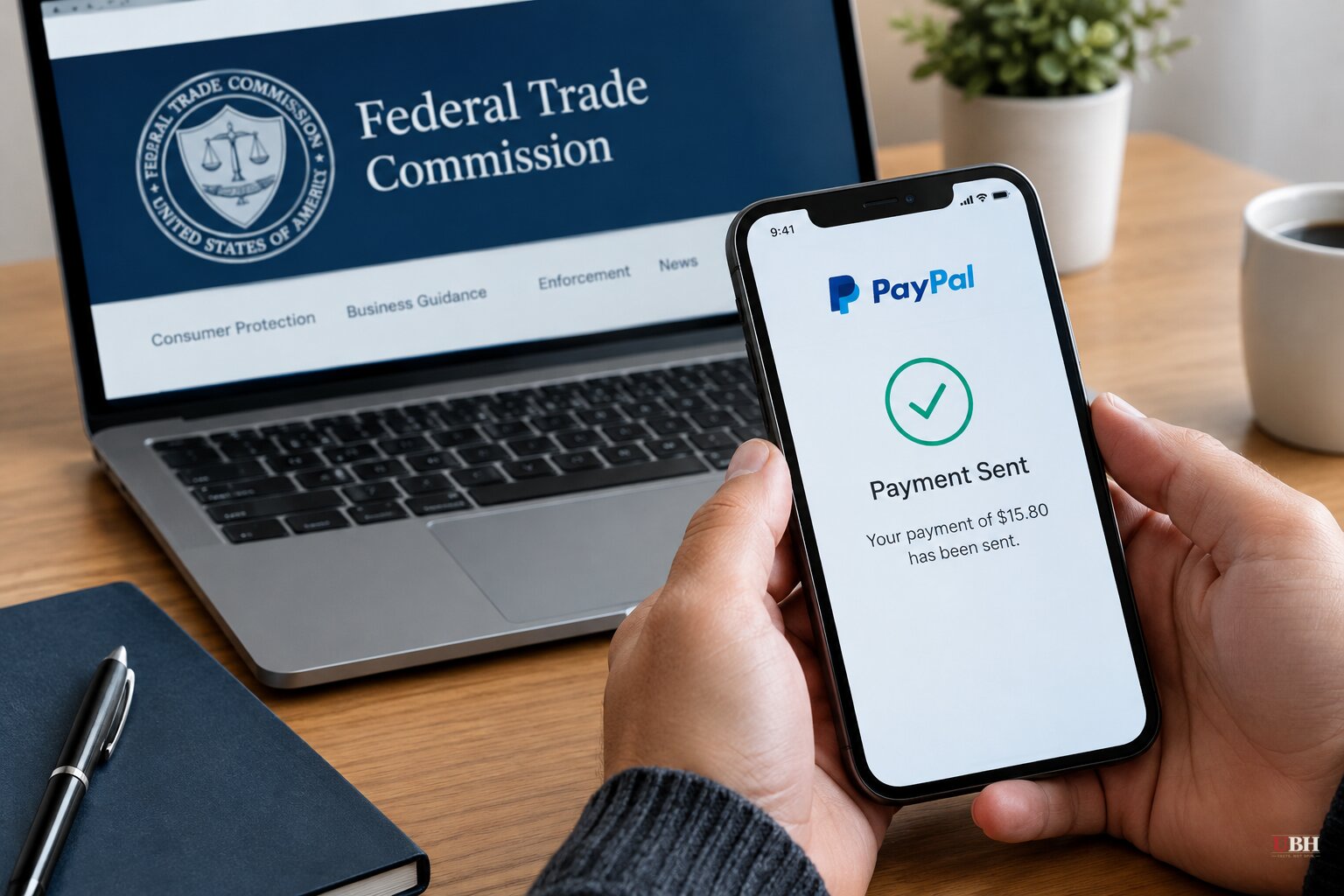
The Federal Trade Commission is sending more than $15.8 million to 2,124,796 people who paid Cleo AI for what the app sold as instant cash advances. The agency announced the refunds on Oct. 8.
The money comes from a $17 million settlement Cleo agreed to after the FTC sued in March 2025.
Who gets paid and when
Eligible customers are those "who paid for eligible instant cash advances," according to the FTC. Emails to them are going out between Oct. 8 and Oct. 26 from no-reply@consumersentinel.gov.
The FTC will begin sending PayPal payments on Oct. 27. Recipients should redeem within 30 days.
The FTC has not said how much each person will get. Simple division of $15.8 million by 2,124,796 customers comes to just under $7.50 each. That figure is arithmetic, not an FTC number, and actual amounts could differ.
The settlement was $17 million. The refund pool is $15.8 million. The FTC has not said what accounts for the roughly $1.2 million difference.
What the FTC alleged
The FTC's complaint, filed in federal court in Manhattan (FTC v. Cleo AI, Inc., S.D.N.Y. No. 1:25-cv-02594), accused Cleo of advertising access to "hundreds of dollars" in cash advances when almost no one received anything close to that.
The agency also alleged Cleo charged hidden fees for same-day or instant advances that often did not arrive until the next day. It further alleged the company made canceling a subscription hard.
According to the complaint, users had to sign up for a paid plan to get an advance: Cleo Plus at $5.99 a month or Cleo Builder at $14.99 a month. Consumers told the FTC they kept getting charged after repeated cancellation requests and were told they could not cancel until outstanding advances were repaid.
The FTC brought the case under the FTC Act's ban on deceptive practices and the Restore Online Shoppers Confidence Act. That law requires online sellers using automatic renewals to disclose terms clearly, get express informed consent before charging, and offer a simple way to cancel.
Cleo's position and the settlement terms
Cleo did not admit wrongdoing in agreeing to the settlement. The case ended in a settlement order, not a trial, so no court has ruled on whether the FTC's allegations were true.
The order bars Cleo from misleading consumers about material terms of its advances, including how much money is available and what fees apply. Cleo must also clearly disclose subscription terms, get express, informed consent before charging for a subscription, and provide a simple cancellation method.
Scam warning
Refund programs attract fraudsters. The FTC says it never requires anyone to pay money or provide account information to get a payment. Anyone who demands a fee, makes threats or asks for a transfer is running a scam.
Sender addresses can be forged, so the safer route is to go to the FTC's Cleo refund page directly rather than click links in a message. Scams can be reported at ReportFraud.ftc.gov.
Questions about a specific payment go to the refund administrator, Rust Consulting Inc., at 877-788-4958.
The scale of the money
For most customers, the refund will be small. A single month of the $5.99 plan nearly matches the equal-split estimate.
The FTC says its actions produced more than $435 million in redress for consumers across the country in 2025.
The next date to watch is Oct. 27, when the PayPal payments begin. The FTC has not said whether recipients will need to create a PayPal account to collect, and the 30-day redemption window starts then.
Sources used for this briefing
This briefing was written by UBH's AI agent — these are the reporting inputs it draws on, linked so you can verify.


