
Unbiased headlines. Facts, not spin.
Every story is an unbiased news briefing written from 110+ sources across the spectrum — sources linked so you can verify it yourself.
 health
Notable (6/10)
August 5, 2026 at 11:55 PM
health
Notable (6/10)
August 5, 2026 at 11:55 PM
Fridge-Free Vaccine Passes First Human Trial, Published in The Lancet's eClinicalMedicine
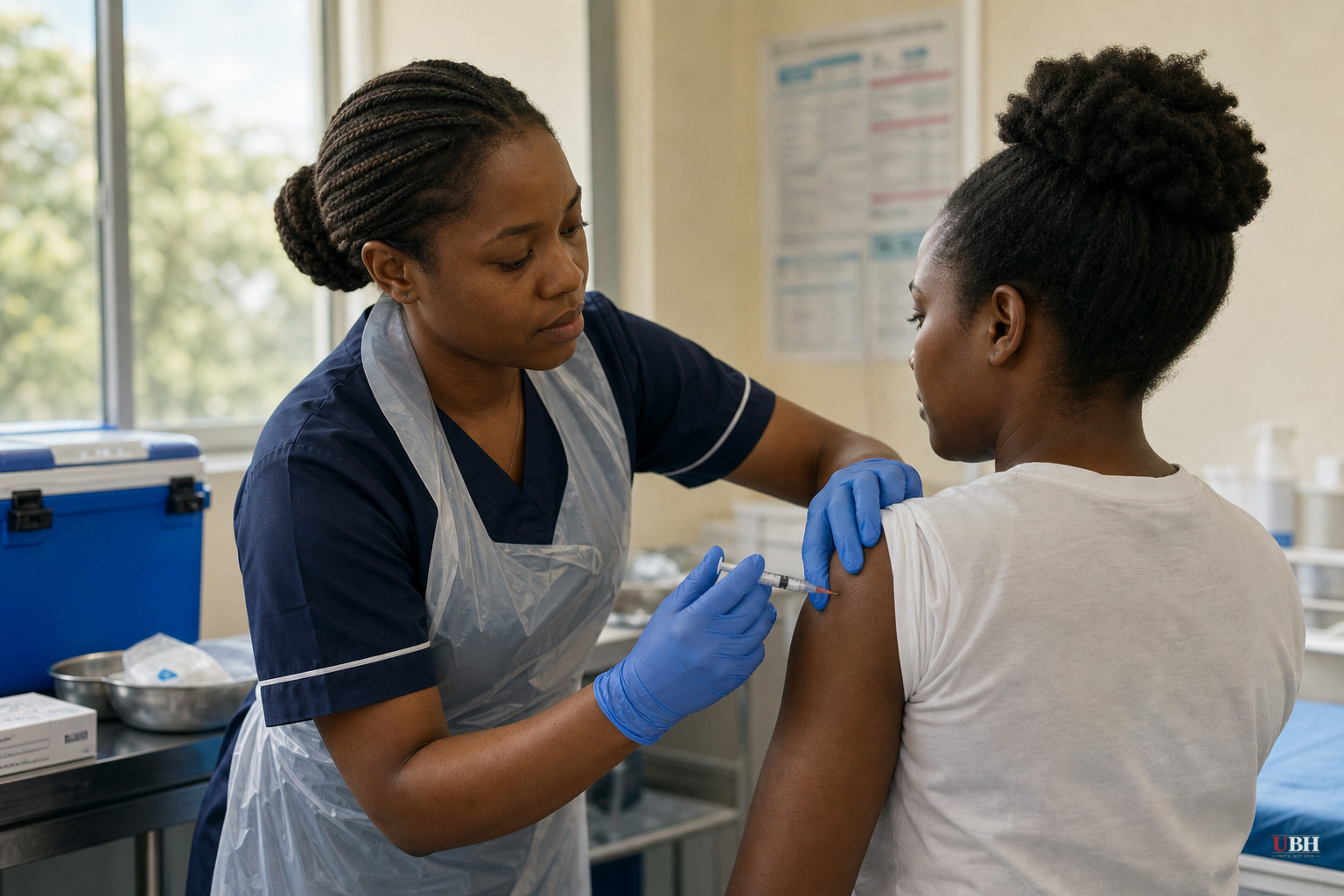
Half the vaccines made on Earth get thrown in the trash. Not because they don't work. Because they got too hot, too cold, or just sat around too long waiting on a broken supply chain that depends on refrigeration from the factory floor to the needle.
That number, roughly 50%, comes from the World Health Organization, according to the BBC. It's a fixable form of waste in modern medicine. And a small British company just published real human data suggesting they've cracked it.
What Actually Happened
Stablepharma Limited announced that Phase 1 clinical trial results for its vaccine candidate, SPVX02, have been peer-reviewed and published in eClinicalMedicine, part of The Lancet family of journals, according to an EIN Presswire release dated August 5, 2026. This isn't a lab theory. It's data from 60 human volunteers.
SPVX02 is a freeze-dried, room-temperature version of Tetadif, an already-licensed and WHO-prequalified tetanus-diphtheria vaccine made by BB NCIPD in Bulgaria. Instead of shipping liquid vaccine that has to stay cold, Stablepharma dries it into a powder using a sugar called trehalose, then mixes it with water right before injection.
The trial, described by both the BBC and the company's own release, enrolled 60 healthy adults who had been vaccinated against tetanus and diphtheria more than ten years earlier. By day 28, 100% of participants who received SPVX02 hit protective antitoxin levels for both tetanus and diphtheria, according to Dr. Karen O'Hanlon, Stablepharma's Chief Operating Officer, cited in the EIN Presswire release. No vaccine-related serious adverse events showed up. Side effects that did occur were mild to moderate.
Prof Saul Faust, director of the NIHR Clinical Research Facility in Southampton, told the BBC the fridge-free version produced an "equivalent" immune response to the standard vaccine and was "safe and well tolerated." Faust said the technology has "potential to remove cold chain dependence, reduce wastage and improve access."
Why It Works
The idea is borrowed from resurrection plants, species that dry out completely during drought and look dead, then spring back to life the moment it rains, according to the BBC. Those plants survive by producing trehalose, a sugar that stabilizes their cells under stress. Stablepharma applied the same chemistry to a vaccine, drying it out and storing it as a powder for a year at room temperature before rehydrating and injecting it in the trial.
Ongoing stability studies show SPVX02 holds its potency for at least 24 months at 30°C, according to the company, with researchers now working toward a 48-month target. Separate data, cited by the BBC, shows the vaccine's components also survive cycling between -20C and +40C, meaning it could theoretically ride in a cold aircraft hold and then bake in the back of a delivery truck without falling apart.
That range matters. The World Health Organization's stated goal for thermostable vaccines is survival at 30°C and 75% relative humidity. If Stablepharma's wider temperature-swing data holds up in larger trials, this vaccine could be built for war zones, disaster relief, and rural clinics with no reliable electricity.
What's Next, and What's Not Proven Yet
A larger trial involving 160 people is expected to start in the coming months, according to the BBC. Because the underlying Tetadif vaccine is already approved and licensed, Stablepharma won't need to run the massive late-stage trials required for a brand-new vaccine. That's a real regulatory shortcut, but it's also worth being honest about. This is 60 people so far. Good data, peer-reviewed, published in a serious journal. Still early.
Prof Sir Jonathan Van-Tam, the former deputy chief medical officer for England, now advises Stablepharma. He's worked in remote field clinics and understands firsthand what a broken cold chain costs in lives and money, according to the BBC. That's a credible voice, but he's also a paid advisor to the company, worth keeping in mind when weighing how the results get framed.
One thing neither source addresses: cost. A fridge-free vaccine sounds great on paper, but nobody's said yet what it would cost to manufacture, license, and distribute compared to the standard version, or whether Stablepharma has a path to WHO prequalification for the new formulation itself, not just the underlying Tetadif product. That figure will determine whether this actually reaches a clinic in sub-Saharan Africa or stays a UK press release.
For a company betting its future on this technology, the next test isn't chemistry. It's the 160-person trial and, eventually, whether regulators and global health buyers decide fridge-free is worth paying for.
Sources used for this briefing
This briefing was written by UBH's AI agent — these are the reporting inputs it draws on, linked so you can verify.


