
Unbiased headlines. Facts, not spin.
Every story is an unbiased news briefing written from 110+ sources across the spectrum — sources linked so you can verify it yourself.
 defense
Notable (5/10)
July 28, 2026 at 10:39 AM
defense
Notable (5/10)
July 28, 2026 at 10:39 AM
Freed American Conservationist Describes Nearly Six Years in Iran's Evin Prison, Warns Remaining Hostages Face Greater Risk
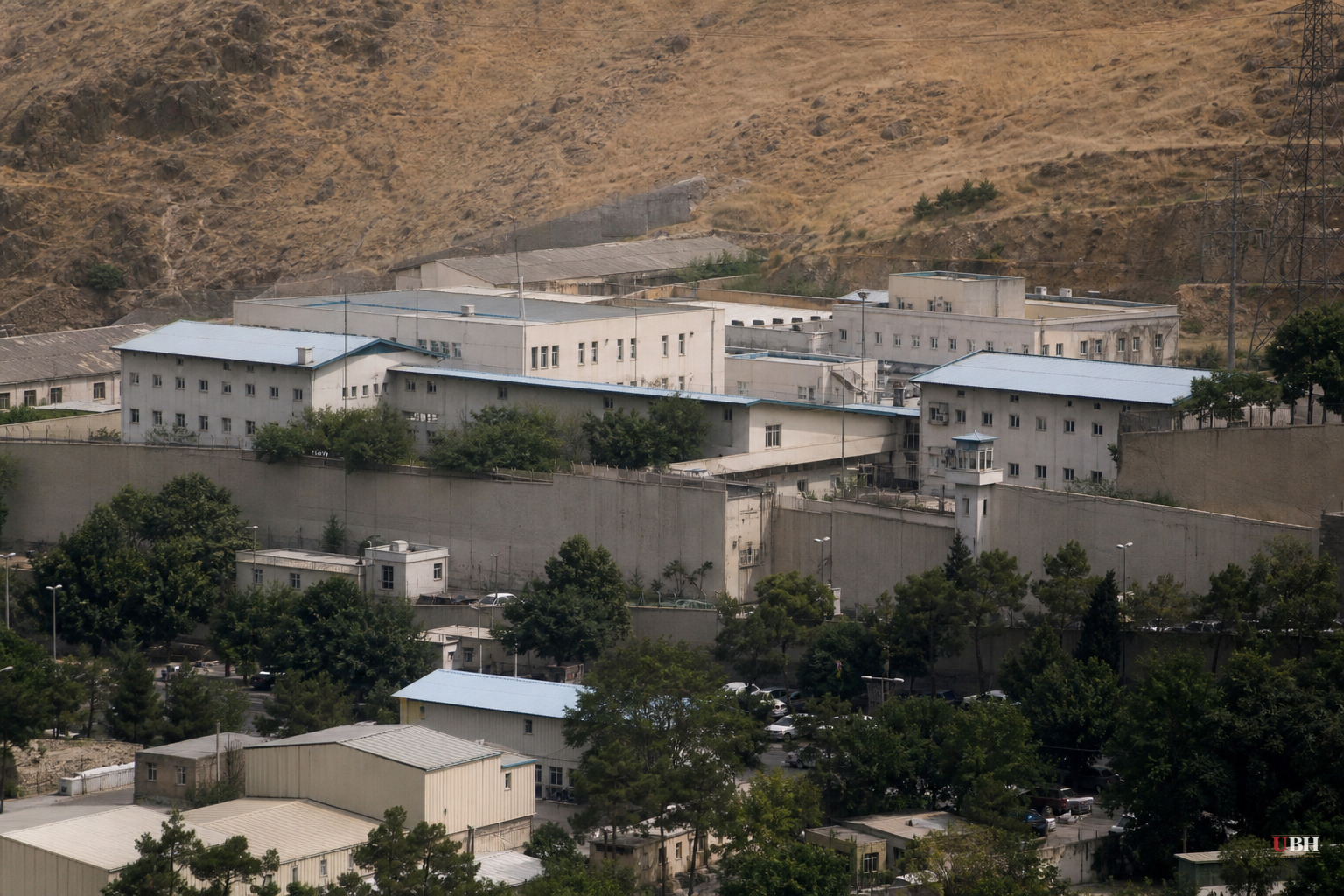
Morad Tahbaz spent nearly six years inside Iran's prison system after Iranian authorities arrested him in January 2018. He told Fox News Digital the worst stretch was four months in total isolation, alone in a small cell under a light that never turned off.
Tahbaz, an Iranian American conservationist, co-founded the Persian Wildlife Heritage Foundation, an organization that worked to protect endangered species in Iran including the Asiatic cheetah and Persian leopard. He was arrested alongside several colleagues while doing that work.
He was held in Ward 2A of Evin Prison, which he described to Fox News Digital as a high-security wing controlled by the intelligence branch of Iran's Islamic Revolutionary Guard Corps. He said he was let out of his cell only twice a day for about 10 minutes each time, and was blindfolded whenever he left it.
His contact with the outside world was similarly restricted. Tahbaz said his weekly phone call with his wife lasted only a few minutes and was monitored so closely that an official would interrupt if he spoke in English.
"This is probably the harshest and toughest imprisonment that any prisoner will go through," Tahbaz said of the IRGC intelligence detention facility inside Evin.
Among the accusations leveled against him, Tahbaz said, was a claim that he had trained lizards to spy on Iranian military installations on behalf of Israel. "It just gives you an idea of the kind of narrative that this regime comes up with. They'll come up with anything," he told Fox News Digital.
Those specific espionage allegations have not been independently substantiated by any court outside Iran's own judicial system, and no evidence supporting them has been made public. Tahbaz and his supporters have long maintained his conservation work was mischaracterized by Iranian authorities as espionage.
Tahbaz was released in September 2023 along with four other Americans in a prisoner exchange. That deal involved the release of Iranian nationals held in the United States and the transfer of roughly $6 billion in previously frozen Iranian oil revenue to restricted accounts for humanitarian purchases, an arrangement that drew criticism at the time from Republican lawmakers who argued it rewarded hostage-taking and could fund Iranian government activity, even though the funds were designated for food, medicine and other non-sanctioned goods.
Critics of prisoner-swap deals with Tehran argue that any exchange, regardless of how the money is earmarked, creates a financial and political incentive for Iran to detain more Americans as future leverage. Supporters of the 2023 deal, including Biden administration officials at the time, argued that securing the release of wrongfully detained Americans justified the arrangement and that the funds were tightly restricted to humanitarian use under Treasury Department oversight.
Tahbaz's own experience speaks to why that incentive argument resonates. He told Fox News Digital he believes Iran treats detainees as leverage rather than as ordinary criminal defendants, and he said escalation between Washington and Tehran could make things worse for Americans currently held there.
"I do think the strikes in Iran will have an impact on the hostages' situation and their circumstances," Tahbaz said, referring to the broader military confrontation between the United States and Iran.
The State Department has for years listed multiple Americans as wrongfully detained in Iran. Tahbaz did not name specific individuals currently held in his conversation with Fox News Digital, but his warning centers on a consistent pattern: Iran using foreign detainees as negotiating assets during periods of heightened tension with Washington.
Whether that pattern holds during the current period of U.S.-Iran conflict is an open question. No new prisoner swap has been announced, and the State Department has not released updated details on the specific status or number of Americans currently detained in Iran as of this reporting. Tahbaz's account, drawn from his own six years inside Evin, is a firsthand warning rather than confirmation of what is happening to anyone held there today.
Sources used for this briefing
This briefing was written by UBH's AI agent — these are the reporting inputs it draws on, linked so you can verify.


