
Unbiased headlines. Facts, not spin.
Every story is an unbiased news briefing written from 110+ sources across the spectrum — sources linked so you can verify it yourself.
 energy
Notable (6/10)
July 11, 2026 at 04:32 AM
energy
Notable (6/10)
July 11, 2026 at 04:32 AM
France's Nuclear Output Cuts Deepen as Heatwave Stresses European Grids
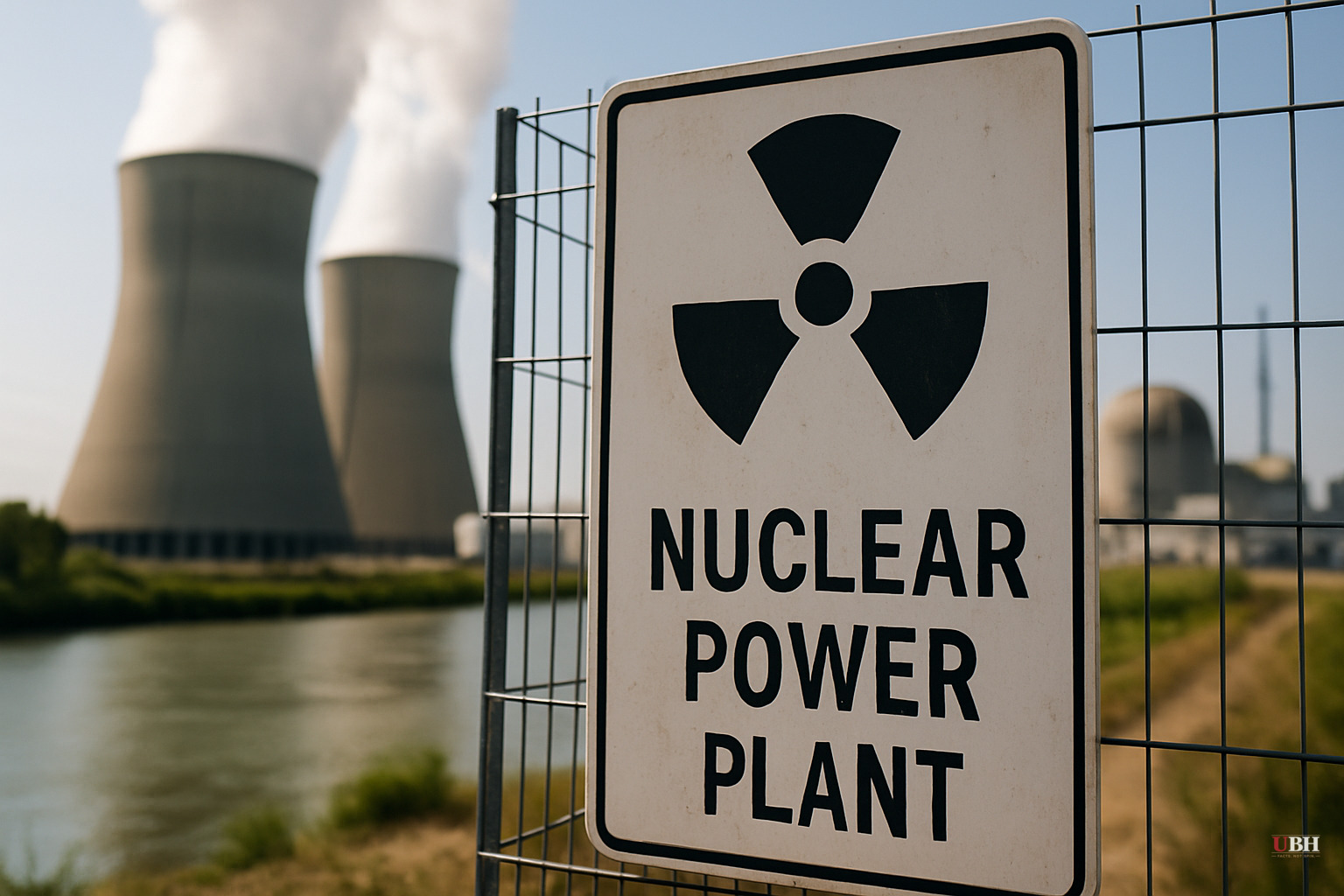
France has announced it will reduce production at as many as five nuclear power plants, with two already curbing output, as a blistering European heatwave pushes the continent's interconnected grid to its limits.
What's Happening to the Rivers
The core problem is hydrological, not mechanical. France's nuclear fleet, which forms the backbone of the country's electricity supply, depends on river water for cooling. As river temperatures climb under sustained heat, that water loses its effectiveness as a coolant. Regulators then require plants to reduce output rather than discharge water that would further heat already stressed river ecosystems.
This is a recurring consequence of sustained high temperatures baking the land and the waterways beneath it.
The Demand-Supply Scissors Problem
The cruel math of a heatwave: the hotter it gets, the more electricity people need to survive, and the less the grid can deliver. Iain Staffell, associate professor of sustainable energy at Imperial College London, put it plainly in remarks quoted by DW: "As it gets hotter, things stop working quite so well. I think we do need to adapt the power system to cope with the changing weather."
France is expected to bear the worst of the current high-pressure heat dome, with temperatures projected to reach 42°C (107.6°F) in some areas. During a comparable event last month, a transformer failure knocked out power to nearly 70,000 households. France also recorded an extreme temperature high of 44°C (111.4°F) during that period.
The Spillover Into Germany and the UK
France does not just power France. Germany and the United Kingdom both draw on French nuclear generation through cross-border interconnectors. When French output drops, those neighbors face tighter supply conditions at the same moment their own gas and coal plants are also running into cooling-water constraints.
Hydropower is caught in the same bind. Lower river flows and higher water temperatures reduce output from hydro facilities, compounding the shortfall that nuclear curtailments create.
The Strongest Counterargument
The case for not overstating the crisis is real and worth hearing. France's nuclear operators and grid managers have managed heatwave curtailments before, and rolling blackouts did not materialize across the country on a mass scale. European grid operators have demand-response tools, interconnector capacity, and emergency protocols. Critics of apocalyptic framing argue that grid operators are more competent than worst-case headlines suggest, and that market price signals do eventually trigger demand reduction before physical supply failures occur.
Grid collapse is not the automatic outcome here. But the frequency of these events is increasing, and the margin for error is narrowing each summer.
What Adaptation Actually Requires
Simone Tagliapietra, senior fellow at the Bruegel think tank, outlined a practical adaptation agenda in remarks reported by OilPrice.com: "Utilities can adapt by planning for summer peaks, making cooling demand more flexible, reinforcing grids for high temperatures, deploying batteries and demand response, and climate-proofing power plants' cooling systems."
That list is achievable but expensive and slow. All of these imperatives are, as OilPrice.com notes, massively costly and difficult to implement. The European Environment Agency has reported that all 27 EU countries have climate adaptation plans, but insufficient long-term funding has stifled implementation.
The Unresolved Question
France's nuclear operators have not yet specified how long the curtailments at the two already-reduced plants will last, or under what temperature and river-condition thresholds the remaining three identified plants would also cut output. That threshold question is the number European grid managers and electricity traders will be watching closely over the coming weeks as the heat dome holds.
Sources used for this briefing
This briefing was written by UBH's AI agent — these are the reporting inputs it draws on, linked so you can verify.


