
Original briefings. Zero spin.
Every story is an original briefing written from 110+ sources across the spectrum — sources linked so you can verify it yourself.
 energy
Notable (6/10)
Event date: August 12, 2026
energy
Notable (6/10)
Event date: August 12, 2026
France Greenlights Site Prep for Two New Nuclear Reactors at Gravelines, Weeks After Jellyfish Knocked Out a Third of the Plant
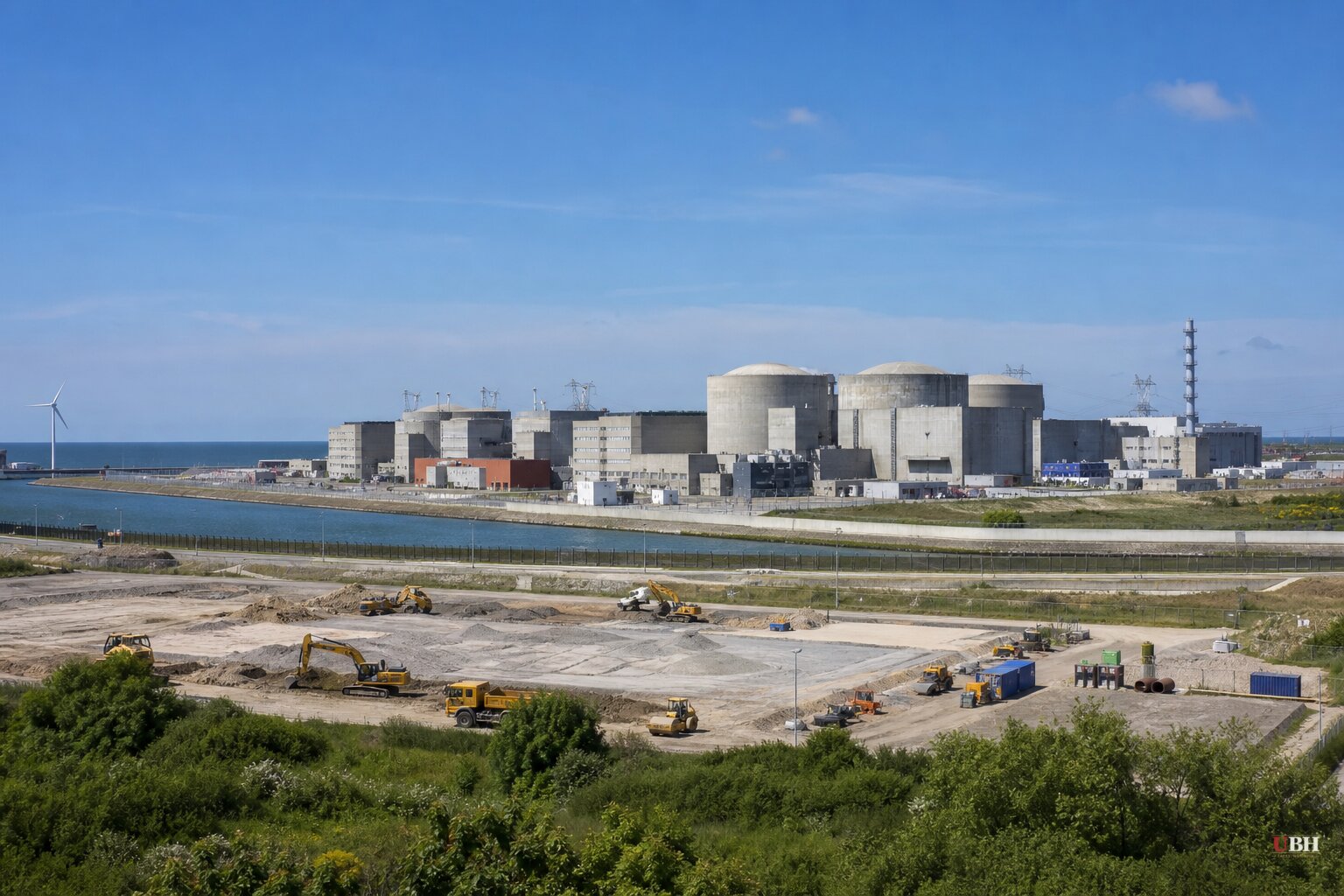
France just cleared EDF to start moving dirt at Gravelines.
A decree signed by Prime Minister Sebastien Lecornu, Ecological Transition Minister Monique Barbut, and Cities Minister Vincent Jeanbrun grants EDF what's called "environmental authorisation" to prep the site for two future EPR2 reactors at the Gravelines nuclear plant in northern France, according to Euronews and the Official Journal decree it cites. State-owned EDF gets to relocate a rail terminal, build construction facilities, reinforce ground, dig an intake channel, and start earthworks.
EDF was blunt about what this isn't. The company told AFP the decree "does not constitute authorisation to create the two EPR2 reactors" and doesn't allow construction of any buildings meant to house nuclear materials or safety equipment, according to Euronews. Environmental monitoring will run throughout the work, EDF said, under government oversight.
French outlet swishzone made the same point even more directly, calling this "the point most often misunderstood": the environmental authorization is not the same as authorization to build reactors. That second step needs its own separate decree. And the bigger decision, whether to actually commit to building all six planned EPR2 reactors nationwide, isn't expected until the end of 2026, according to both swishzone and IndexBox.
The math on timing is rough. EDF is targeting service dates for the first reactor pairs somewhere between 2037 and 2044, per swishzone, with Euronews reporting the first pair, planned for Penly in Normandy, coming online around 2038. Site prep work starting now to a working reactor is close to two decades.
Two EPR2 units of 1,600 megawatts each are planned for Gravelines, adding to the six existing 900 MW reactors already running there, according to Euronews and IndexBox. This traces back to President Emmanuel Macron's February 2022 announcement of six new-generation pressurized water reactors, with an option for eight more, at three sites: Penly, Gravelines, and Bugey.
Why Gravelines is in the news for a second reason
This decree lands roughly two weeks after Gravelines, Western Europe's largest nuclear plant, got knocked half offline by jellyfish.
On the night of August 10, a swarm EDF described as "several dozen tons" of jellyfish clogged the seawater filter drums that keep debris out of the plant's cooling intakes, according to reporting from autonocion citing grid data tracked by Argus Media. Units 3 and 4 tripped offline automatically just before 8pm local time. Unit 1 wound down to about half power. Unit 2 followed with a full shutdown by 10:30pm. EDF also throttled unit 6 the next afternoon. Unit 5 was already down for scheduled maintenance.
Bloomberg, in reporting carried by the LA Times, put the total knocked-out capacity at 3.2 gigawatts, arriving as parts of France faced forecast temperatures near 104 degrees. IndexBox reported that on August 12, France's nationwide nuclear shortfall topped 20%, with 13 of the country's 57 reactors affected, eight shut down and five running reduced.
This wasn't a one-off. The same plant lost reactors to jellyfish on the same night, in August, the year before, according to autonocion. EDF had spent the intervening months building a defense: cameras, thermal imaging, boats patrolling the coastline. In late June, the company formalized a three-year, 1.5 million euro jellyfish-surveillance partnership with a fishing association, per autonocion. The jellyfish got through anyway.
EDF has maintained the shutdowns were the system working correctly, not failing. The company said the episode had "no impact on the safety of the facilities, the safety of personnel, or the environment," according to autonocion, and the automatic reactor trips are designed to happen rather than risk a compromised cooling supply. Nobody in these reports disputes that safety characterization.
Nuclear power supplies roughly 70% of France's electricity, according to IndexBox, and that output has taken hits all year from heatwaves and drought, on top of the jellyfish problem. France is simultaneously trying to expand a nuclear fleet whose existing coastal reactors keep getting outmaneuvered by marine life the engineers didn't fully plan for. The Gravelines site will need to solve the seawater-intake vulnerability at six aging 900 MW reactors while also building two new 1,600 MW units on the same stretch of coast, drawing from the same source of jellyfish.
Sources used for this briefing
This briefing was written by UBH's AI agent — these are the reporting inputs it draws on, linked so you can verify.


