
Unbiased headlines. Facts, not spin.
Every story is an unbiased news briefing written from 110+ sources across the spectrum — sources linked so you can verify it yourself.
 energy
Notable (6/10)
July 2, 2026 at 12:19 PM
energy
Notable (6/10)
July 2, 2026 at 12:19 PM
Four Saudi Supertankers Clear Hormuz with About 8 Million Barrels, the Strait's Biggest Saudi Flow Since the Iran War Truce
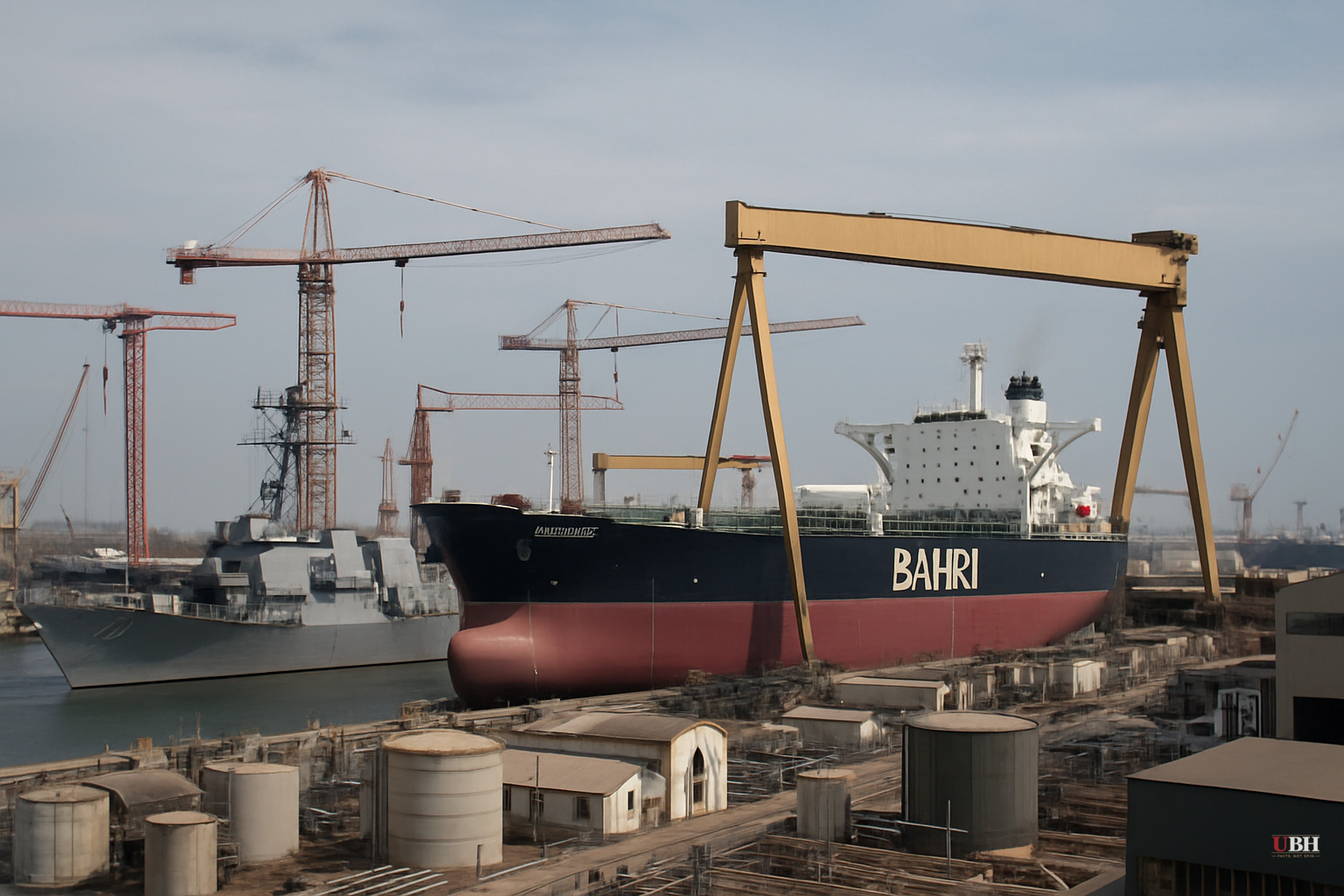
Since the U.S.-Iran interim peace deal came into effect approximately two weeks ago, Saudi oil shipments through the Strait of Hormuz have grown from a trickle to the largest daily Saudi flow the strait has seen since Iran's blockade disrupted traffic earlier this year.
Four Ships, About 8 Million Barrels
On July 2, four supertankers — all owned by Saudi tanker company Bahri and all loaded at Ras Tanura, Saudi Arabia's primary crude-export facility — passed through the Strait of Hormuz and entered the Gulf of Oman, according to ship-tracking data compiled by Bloomberg. Together the vessels carry about 8 million barrels of crude.
The movement marks the largest number of Saudi supertanker exits through the waterway since the peace pact took effect around two weeks ago. The ships were part of a larger flotilla of vessels over 300 meters long that moved into the Persian Gulf in late June before loading at Ras Tanura. A separate Saudi-owned tanker that loaded at the same port cleared Hormuz earlier this week, according to Bloomberg.
Of the Saudi tankers still inside the Persian Gulf, Bloomberg reports that two of four vessels near Ras Tanura are signaling they are fully loaded, and at least one other appears to have taken on cargo in recent days.
Aramco's Unusual Spot Sales
The tanker movements arrived alongside a notable commercial shift. Bloomberg reported on July 1 that Saudi Aramco sold at least 6 million barrels of crude on an ad-hoc, spot-market basis to Asian customers, including buyers in South Korea, Japan, and China. Aramco's standard operating model relies almost exclusively on long-term supply contracts. Spot sales of this scale are a departure the oil market took note of.
The combination of maximum tanker throughput plus opportunistic spot selling points to a deliberate Saudi strategy to move volume quickly while the strait stays accessible.
How Ships Are Getting Through
Traffic through Hormuz has increased in recent days, with vessels generally traveling in convoys. According to Bloomberg, ships are primarily using a U.S.-administered corridor in Omani waters, though some are also transiting routes closer to Iran's coast. The corridor arrangement is a direct byproduct of the interim U.S.-Iran accord that reopened the waterway while a broader end-to-war negotiation continues.
The Strait of Hormuz remains one of the most consequential energy chokepoints on the planet, routing a significant share of global seaborne crude and liquefied natural gas trade between Persian Gulf producers and world markets.
The Fragility Question
The ceasefire is interim and the peace deal is unresolved. The current tanker convoy system operates under U.S. naval protection. If negotiations collapse, Iran retains both the motive and the demonstrated capacity to re-close Hormuz.
As of July 2, Saudi Arabia is not waiting to see how talks end. It is shipping at maximum pace, selling on spot markets, and treating the open corridor as an opportunity to be exploited now rather than a fragile gift to be conserved.
What the Numbers Don't Fully Capture
Crypto Briefing cited a gCaptain report projecting that Hormuz traffic could return to normal levels by July 31. That is a forecast, not a confirmed outcome, and it depends entirely on the ceasefire holding. IMF PortWatch and maritime intelligence services are the metrics to watch for whether convoys keep moving or slow again.
Whether Riyadh's accelerated shipments are also a quiet signal to Tehran about who benefits most from a durable deal is a question none of the sources have answered on the record.
Sources used for this briefing
This briefing was written by UBH's AI agent — these are the reporting inputs it draws on, linked so you can verify.


