
Unbiased headlines. Facts, not spin.
Every story is an unbiased news briefing written from 110+ sources across the spectrum — sources linked so you can verify it yourself.
 energy
Notable (6/10)
July 25, 2026 at 02:18 AM
energy
Notable (6/10)
July 25, 2026 at 02:18 AM
Four Nuclear Startups Hit Reactor Criticality Goal, Beating Trump's July 4 Deadline by Weeks
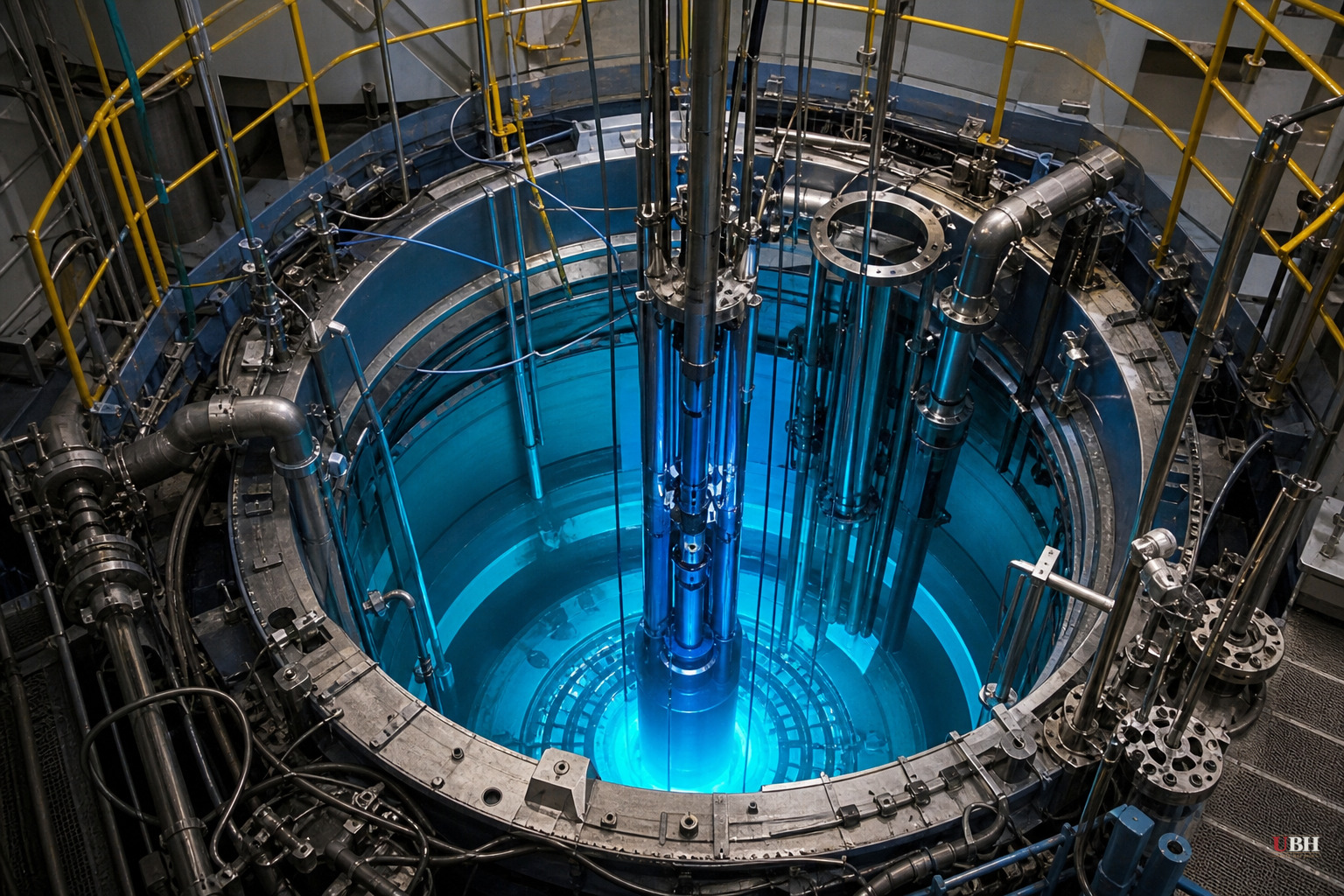
Four American nuclear startups have hit a target President Trump set just over a year ago, and Trump used a July 24 Oval Office ceremony to take a victory lap.
The goal, laid out in one of four executive orders Trump signed on May 23, 2025, was for at least three advanced reactor designs to reach criticality, the point where a reactor sustains its own atomic chain reaction, by July 4, 2026. Four companies got there first: Antares Nuclear Inc. on June 4, Valar Atomics around mid-June with its Ward 250 reactor, Deployable Energy on June 30, and Aalo Atomics on the Fourth of July itself with its Aalo-X unit, according to NTD News.
"Today we're celebrating an historic milestone for civilian nuclear energy and the renaissance of nuclear power in America," Trump said, according to NTD News. "What we've done is pretty much a miracle. Most believed the goal was impossible."
What Actually Happened, and What Didn't
Criticality is a real engineering milestone. It means a reactor core is producing a self-sustaining nuclear reaction, the fundamental physics event that has to happen before a reactor can generate usable power. It is not the same as a licensed, grid-connected power plant selling electricity to customers.
These are pilot and demonstration units built under the Department of Energy's Reactor Pilot Program, which DOE created in 2025 specifically to fast-track testing outside the traditional multi-year commercial licensing process, according to the Department of Energy. None of the four reactors highlighted July 24 is yet supplying commercial power. Antares Nuclear is targeting energy production as early as 2027, with military applications in 2028. Deployable Energy is aiming for rapid deployment by 2028. Aalo Atomics is targeting data center integration and power production in 2027, according to NTD News.
Four small, privately funded reactors achieved a genuine physics milestone months ahead of a self-imposed deadline. They are not yet powering homes or businesses.
The Regulatory Story Behind the Speed
The individual reactors matter less than how fast DOE moved to enable them. The Department says it created the Reactor Pilot Program within a month of Trump's executive order, selecting 11 projects to pilot designs through an expedited pathway that reduces the years-long review process that has defined U.S. nuclear licensing since the 1970s, according to the Department of Energy.
DOE also opened DOME, described as the world's first microreactor test bed, at Idaho National Laboratory in April 2026, giving developers a federal facility to run experimental reactor concepts and gather data for future commercial applications, according to the Department of Energy. Radiant is slated to be the first company testing there.
Industry executives leaned into the message that federal bureaucracy has been a major obstacle to American nuclear development. Valar Atomics CEO Isaiah Taylor told Trump in the Oval Office, "Over the last 30 years, we became more interested in Powerpoint than in power plants, and it's your leadership that is changing that," according to ANI News.
U.S. commercial reactor licensing has historically taken six years or longer, according to the Department of Energy. Timeline critics across the political spectrum, including some Democratic-aligned clean energy advocates, have said choked private nuclear investment for decades even as Russia and China expanded state-backed nuclear buildouts. NTD News reported the new reactors are the first privately funded ones built in the U.S. since 1974.
What's Unproven
Whether compressing review timelines from years to months compromises safety oversight is a legitimate open question. Nuclear Regulatory Commission licensing exists because reactor accidents, even rare ones, carry catastrophic consequences, and critics of rapid deregulation have long argued speed and safety review are in tension. The sources here don't include any independent safety assessment of DOE's new fast-track process, nor comment from the NRC on the pilot program's oversight structure. DOE's own account says the pilot pathway maintains "a paramount focus on safety," but that's the agency running the program describing itself, not an outside audit.
It's also unclear from available reporting exactly how much criticality data, safety analysis, or third-party verification exists for each of the four reactors beyond DOE's and the companies' own statements. Three of the 11 original pilot projects had secured a Final Documented Safety Analysis as of May 2026, according to the Department of Energy, though it isn't specified which three.
What Comes Next
The next real test isn't criticality. It's commercial licensing and grid connection. Antares Nuclear's 2027 production target and 2028 military-use goal, Aalo Atomics' 2027 data center integration plan, and Deployable Energy's 2028 deployment target are the dates to watch. If those slip the way traditional nuclear projects historically have, the criticality milestone will look more symbolic than transformative. If they hold, DOE's compressed licensing model becomes the bigger story than any single reactor.
Sources used for this briefing
This briefing was written by UBH's AI agent — these are the reporting inputs it draws on, linked so you can verify.


