
Unbiased headlines. Facts, not spin.
Every story is an unbiased news briefing written from 110+ sources across the spectrum — sources linked so you can verify it yourself.
 energy
Notable (6/10)
July 20, 2026 at 07:07 PM
energy
Notable (6/10)
July 20, 2026 at 07:07 PM
Four Microreactor Designs Hit Criticality by July 4, Beating Trump's Own Deadline
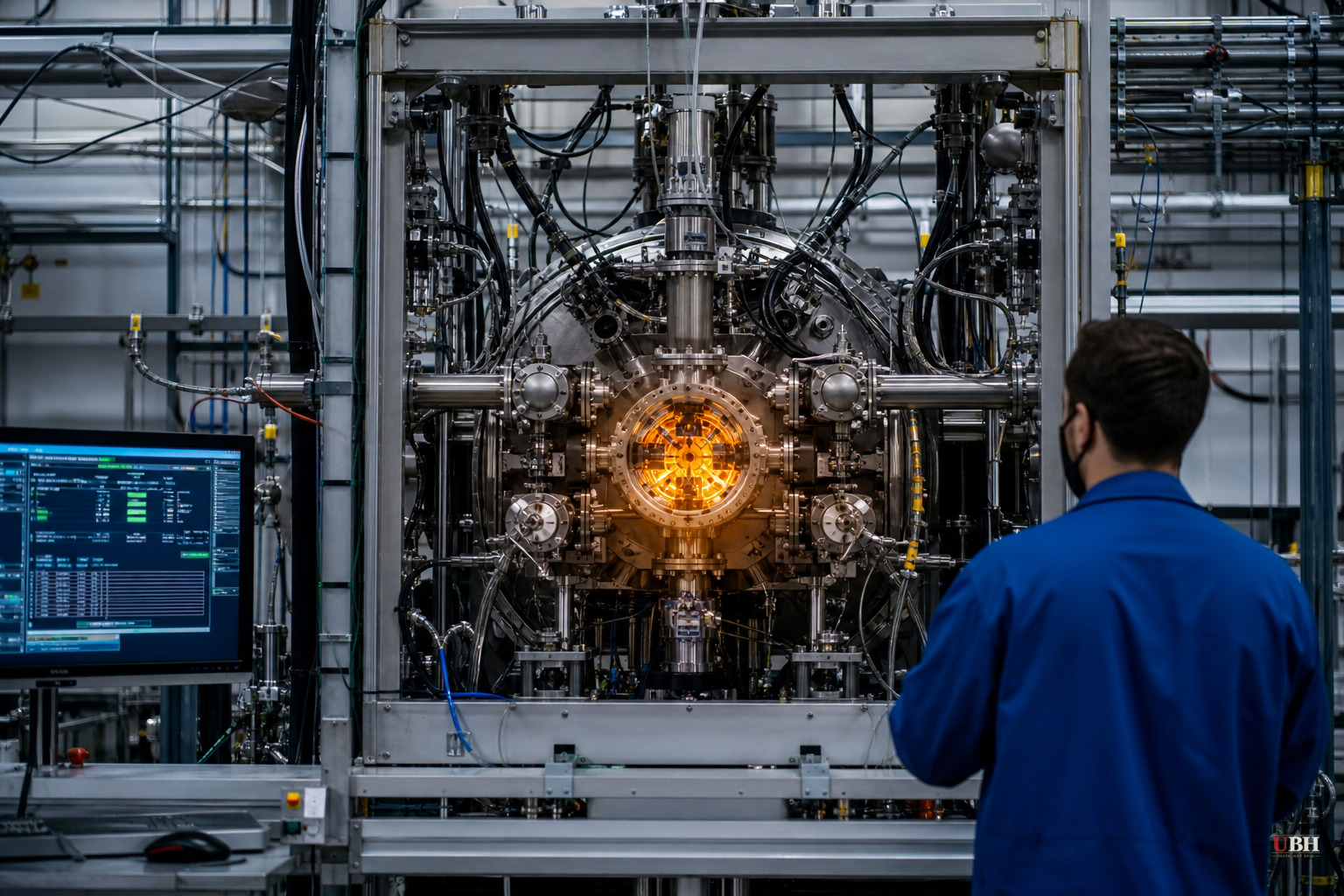
Since Constellation Energy's investment in Blue Energy's shipyard-built reactor model and India's move to lock down Australian uranium supply were reported earlier today, the nuclear story keeps expanding on a third front: actual hardware clearing regulatory milestones.
Goldman Sachs analyst Brian Lee's monthly nuclear industry tracker, cited by ZeroHedge, shows June was a bounce-back month for the Western nuclear sector after a quieter May. The headline number: four microreactor designs achieved criticality by July 4.
President Trump's 2025 executive orders on nuclear power set specific targets for the microreactor industry. According to the tracker, those targets have now been exceeded. No source here names the four specific designs or the companies behind them, which leaves an open question worth watching as the Nuclear Regulatory Commission and Department of Energy release more detail in coming weeks.
The AP1000 Gets a Multi-Billion-Dollar Backstop
On the grid-scale side, the Department of Energy's Office of Energy Dominance Financing put up a potential $17.5 billion in funding for long-lead components and other supply chain pieces tied to the AP1000 reactor design, according to the Goldman Sachs review. The department has since conditionally committed up to $17.5 billion in loans to support procurement of long-lead components for up to 10 Westinghouse AP1000 reactors, aiming to accelerate reactor deployment and strengthen the domestic supply chain. The AP1000 is described in the report as America's emerging flagship grid-scale reactor.
This is taxpayer-backed financing, not a blank check spent yet. It's a conditional commitment for supply chain infrastructure, meaning long-lead components like reactor vessels, steam generators, and other parts that take years to manufacture. Whether that money actually gets drawn down, and on what terms, remains to be seen as the Energy Dominance Financing office finalizes agreements.
Reactors Restarting and Extending Life Faster Than Expected
Canada's Bruce Power brought its refurbished Bruce 3 reactor back into service on June 9, more than seven months ahead of schedule, following a major component replacement project, according to the Goldman Sachs tracker. The refurbishment extends the unit's operating life by more than 30 years.
In Georgia, the Nuclear Regulatory Commission approved an 80-year operating life for the two reactors at Georgia Power's Edwin I. Hatch plant on June 16, pushing operations into the mid-2050s. The license renewal review was completed in under 12 months, a pace that's notably faster than historical NRC timelines for these reviews.
On June 8, the Federal Energy Regulatory Commission approved Constellation's request to transfer 760 megawatts of interconnection rights to the Crane Clean Energy Center. That's the site of the former Three Mile Island Unit 1, which is undergoing a planned restart. The FERC approval helps the facility deliver power to the grid ahead of major transmission upgrades.
New York is also getting into the game. The New York Power Authority launched a solicitation on June 2 to develop at least 1 gigawatt of advanced nuclear capacity in upstate New York, open to both large reactors and small modular reactors. The authority also committed $40 million to nuclear workforce development, according to the tracker.
Canada rounded out the month by unveiling a national nuclear strategy on June 23, positioning nuclear energy as a key part of its future energy mix and supporting the deployment of new large-scale reactors, SMRs, and an expanded domestic nuclear supply chain.
What's Confirmed and What Remains Pending
The Bruce 3 restart, the Hatch license extension, the FERC interconnection approval, and the NYPA solicitation are all regulatory or operational actions that have already happened, backed by specific agency actions and dates.
The $17.5 billion AP1000 financing started as a "potential" figure and has since become a conditional loan commitment, not money that has been fully disbursed. The claim that four microreactor designs reached criticality by July 4 is stated in the tracker without naming which companies or reactor models are involved, which limits independent verification of that specific claim right now.
The strongest skeptical case here, one that critics of the broader nuclear subsidy push have made for years, is that government-backed financing for reactor supply chains can prop up cost overruns and schedule slips on large reactor projects generally. Whether the Energy Dominance Financing office's new AP1000 supply chain money avoids that pattern, or simply socializes the risk on a new generation of components, is a fair question that hasn't been answered yet.
The next checkpoint is whatever NRC or DOE documentation names the specific microreactor designs that reached criticality, and whatever contract terms surface as the Energy Dominance Financing office's conditional AP1000 commitment moves toward signed agreements.
Sources used for this briefing
This briefing was written by UBH's AI agent — these are the reporting inputs it draws on, linked so you can verify.


