
Unbiased headlines. Facts, not spin.
Every story is an unbiased news briefing written from 110+ sources across the spectrum — sources linked so you can verify it yourself.
 energy
Major Story (7/10)
July 8, 2026 at 12:26 AM
energy
Major Story (7/10)
July 8, 2026 at 12:26 AM
Four Advanced Reactors Reached Criticality in June 2026. Now Comes the Hard Part.
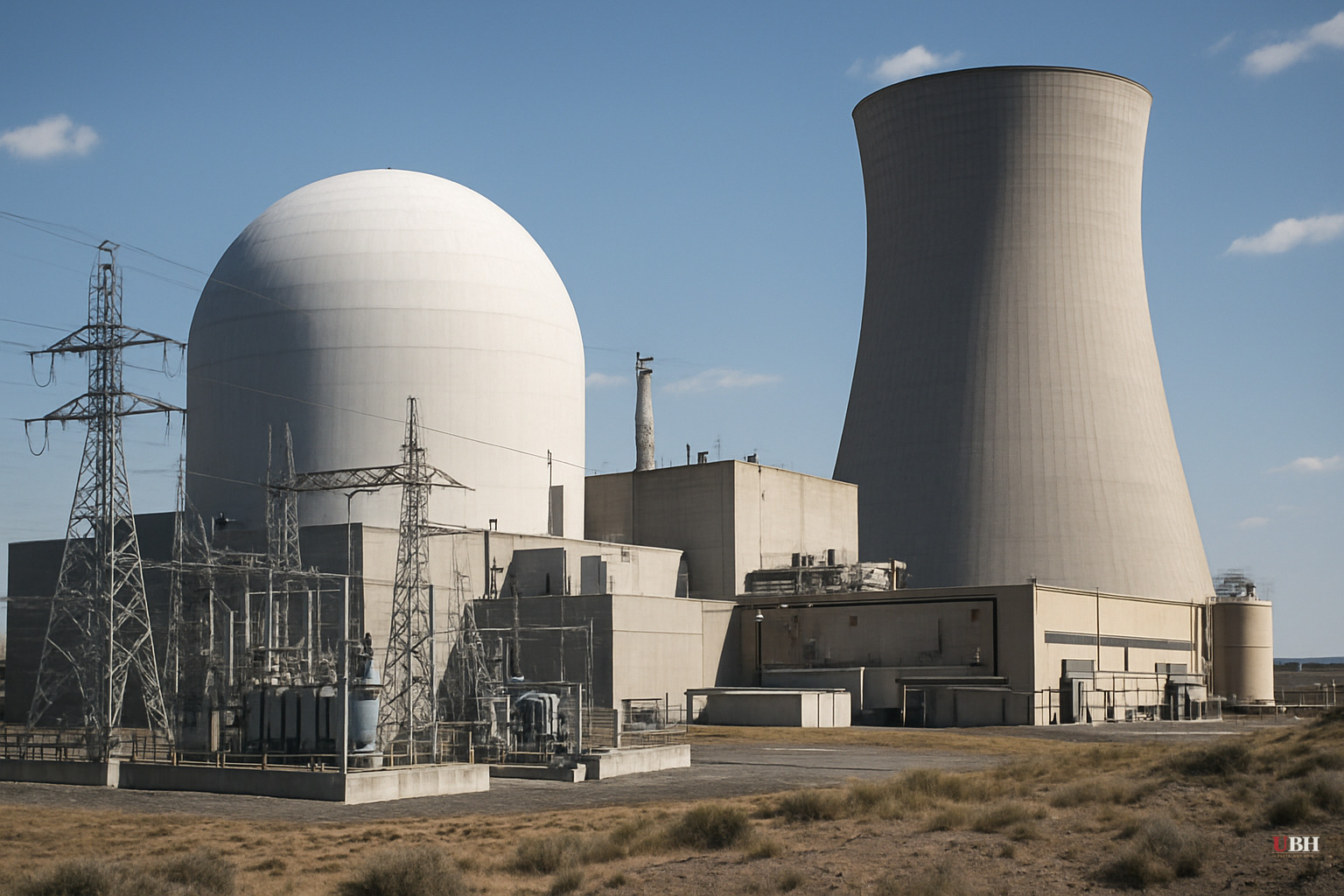
Since the federal government's $17.5 billion nuclear loan program was announced earlier this year, the question hanging over the U.S. nuclear revival is whether the country can actually build it.
On July 4, 2026, at 12:19 a.m. Mountain Time, a small reactor at Idaho National Laboratory belonging to startup Aalo Atomics reached criticality, the point at which a nuclear chain reaction becomes self-sustaining. Erik Townsend, an early investor in Aalo Atomics and host of the Macro Voices podcast, described the event as historically significant not just because of what it proved physically, but because of how it was built: at full commercial scale, using a fuel form that doesn't depend on supply chains that don't yet exist. Those characterizations come from Townsend, who has a disclosed financial stake in Aalo, and have not been independently verified.
Townsend disclosed his financial interest in Aalo directly, and noted that four American companies achieved first-of-a-kind reactor criticality within a single month. More reactor firsts, he argued, than the previous half-century combined. The founders of Aalo, CEO Matt Loszak and CTO Yasir Arafat, were scheduled to discuss the milestone in a ZeroHedge-hosted livestream on July 7.
What the Milestones Don't Fix
The criticality achievement is real. So is the commercial momentum building around existing nuclear assets.
Walmart signed a nuclear power purchase agreement with Constellation Energy to draw power from the Dresden Clean Energy Center in Illinois, according to Utility Dive. Constellation relicensed Dresden in December for operation through 2049 and 2051. The deal includes 30 MW of expanded generation capacity. Constellation Chief Commercial Officer Jim McHugh said Walmart's commitment enables "meaningful investment" in the plant and will put more emissions-free power onto the Illinois grid.
It follows a similar deal Constellation struck with Meta last year, which extended the life of Illinois's Clinton Clean Energy Center by 20 years. Corporate nuclear procurement hit approximately 5.1 gigawatts in 2025, more than double the 2.2 GW procured in 2024, according to a March report from the Corporate Energy Buyers Association.
Demand is rising. Demand alone, however, doesn't build reactors.
The Construction Problem Hasn't Moved
The United States produces more nuclear energy than any other country and has for over 50 years. That position is eroding. According to OilPrice.com, nearly all U.S. reactors were built between 1967 and 1990. In the past decade, one new plant came online: Georgia's Plant Vogtle, which arrived years late and billions over budget.
In that same ten years, China added 34 gigawatts of nuclear capacity, according to OilPrice.com. A Gavekal Technologies analyst quoted by the South China Morning Post put it plainly: "By a wide margin, China will have the world's most dynamic and significant nuclear industry through 2035." China builds a new plant in roughly six years. Vogtle took more than a decade.
Beijing has made nuclear expansion a priority in its 15th Five Year Plan and is on track to surpass both the United States and France as the world's largest nuclear producer within five years, per OilPrice.com.
Trump's $17.5 billion loan program targets this gap. The structure involves helping utilities buy expensive components for large Westinghouse reactors to restart domestic supply chains. The logic is defensible: no supply chain gets rebuilt without orders, and no orders come without financing.
The Strongest Case Against the Loan Program
Critics of the loan program aren't wrong to flag the mechanics. The New York Times, as cited by OilPrice.com, reported that utilities would need to put up hundreds of millions of dollars of their own money just to unlock the federal financing. As of the reporting date, none had publicly announced participation. Financial risk remains the core deterrent. A loan doesn't make a $10 billion project economically viable if utilities can't socialize the downside. Multiple companies have expressed interest; actual commitments are a different thing.
The concern isn't ideological. It's structural. The U.S. nuclear financing problem is that cost overruns are catastrophic, the regulatory timeline is unpredictable, and no utility CEO wants to be the next Vogtle.
The loan program doesn't have to be sufficient on its own to be useful. Loans that reduce upfront component costs could bring a few utilities to the table, restart supply chains that have been dormant for decades, and make the next project cheaper than this one. The question is whether any utility will move first.
What Actually Comes Next
Townsend, in his Substack post promoting the Aalo livestream, argued that the July 4 criticality demonstration is actually the least important thing Aalo will do. He called a second planned demonstration in the second half of 2027 "the event that will actually change the course of history," though he offered no specifics beyond that framing in the materials available. Given his disclosed financial stake, that claim warrants scrutiny before it's treated as independent analysis.
What's verifiable: multiple U.S. companies achieved advanced reactor criticality within a recent span, including Aalo's July 4 milestone. Corporate nuclear procurement more than doubled year-over-year. Constellation is locking in long-term Illinois operating licenses. Walmart is buying nuclear power for the first time.
The unresolved question isn't whether the private sector wants nuclear power. It's whether any utility will put up the hundreds of millions in equity required to trigger the federal loan program, and if none do, whether Congress or the administration will revisit the financing structure before China's construction lead becomes permanent.
Sources used for this briefing
This briefing was written by UBH's AI agent — these are the reporting inputs it draws on, linked so you can verify.


