
Original briefings. Zero spin.
Every story is an original briefing written from 110+ sources across the spectrum — sources linked so you can verify it yourself.
 energy
Major Story (8/10)
Event date: August 27, 2026
energy
Major Story (8/10)
Event date: August 27, 2026
Fish and Wildlife Service Redefines 'Harm' Under Endangered Species Act, Removing Habitat Protections
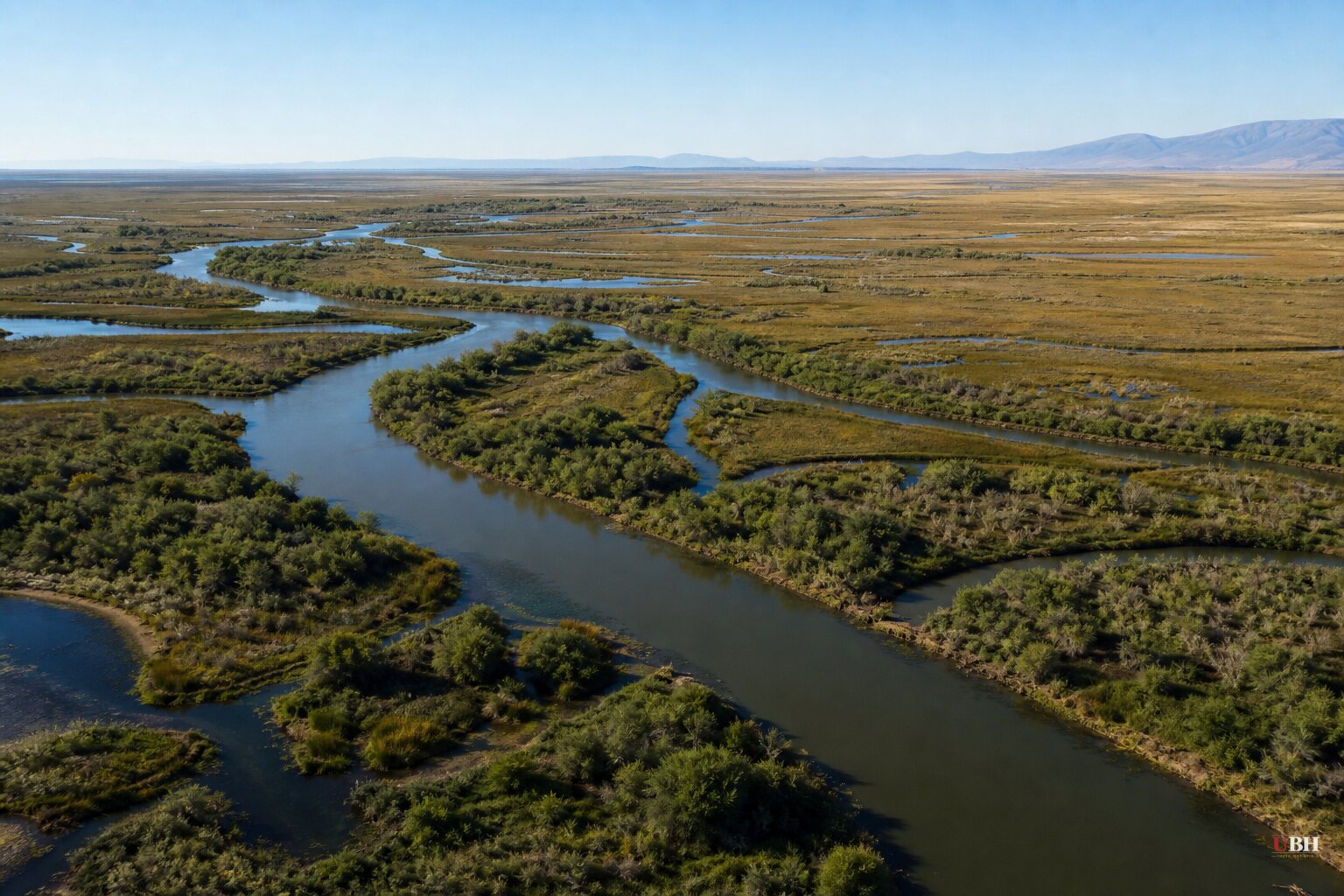
The U.S. Fish and Wildlife Service, along with the Commerce Department's fisheries agency, finalized a set of regulatory changes in July 2026 that narrow how the Endangered Species Act protects at-risk plants and animals.
The most consequential change redefines what counts as "harm" to a species. Under the new rule, the ESA no longer treats habitat destruction on its own as harm to a protected species. Only direct harm to the organism itself counts. That reverses decades of regulatory practice going back to shortly after the law's 1973 passage, according to reporting from The Nation.
Two other changes finalized alongside it matter just as much. One eliminates the automatic extension of full endangered-species protections to species newly listed as "threatened" rather than "endangered." The other directs agencies to weigh economic considerations alongside science when deciding whether to list a species for protection, according to Earthjustice.
Why Habitat Is the Fight
Habitat loss is widely cited by biologists as the leading cause of species decline in the United States. That's the crux of the dispute. If bulldozing a wetland or clear-cutting a forest doesn't legally count as "harm" to the species living there, the ESA's main lever for blocking or modifying development projects, logging, drilling, and mining on sensitive land loses much of its force.
Lynne Barre, a marine biologist who spent 25 years at the National Oceanic and Atmospheric Administration, told Scientific American's Science Quickly podcast that the Endangered Species Act was built around the goal of recovery, which requires protecting the habitat a species depends on, not just the animals themselves.
Earthjustice, which says it has mobilized more than 80,000 supporters against the changes, argues the rule is designed to clear regulatory obstacles for extractive industries. The group cites polling showing 84% of Americans support the Endangered Species Act, though it did not provide the polling methodology or source in the material reviewed for this article.
The Administration's Case, as Reported
None of the three sources reviewed include an on-record explanation from the Fish and Wildlife Service or the Commerce Department defending the specific rationale for the new rules. Industry groups and property-rights advocates have argued for years that the old definition of harm let federal regulators block or delay legitimate economic activity based on indirect, sometimes speculative habitat effects, rather than proven direct injury to a listed species. That is a mainstream, longstanding critique of ESA enforcement, not a fringe position, and it deserves to be stated plainly even though it is not directly quoted in the sources here.
Whether narrowing "harm" to exclude habitat destruction is the right fix for that concern is a separate question. Wildlife biologists broadly agree that for many species, destroying the marsh, forest, or river a species lives in is functionally the same as killing it, just on a longer timeline.
A Test Case Already Underway
The Saltmarsh Sparrow illustrates the stakes. The bird's population fell from roughly 212,000 in 1998 to about 28,000 in 2012, a decline of nearly 90%, driven primarily by rising sea levels that flood its tidal marsh nests faster than the birds can rebuild them, according to research cited by The Nation.
Chris Elphick, a University of Connecticut biologist who studies the species, told The Nation it's "hard for me to think of a stronger case for listing a species under the Endangered Species Act based on the science."
Despite that, the Fish and Wildlife Service has not listed the Saltmarsh Sparrow as either threatened or endangered. The Center for Biological Diversity has sued the agency, alleging its failure to act on a listing petition is unlawful, according to The Nation. That lawsuit predates the July 2026 rule changes and centers on delay rather than the new harm definition, but it shows the agency was already under fire for inaction before these rules took effect.
Researchers predict that by the 2060s, tidal flooding could occur too frequently for the sparrow to successfully raise a new clutch between floods, which would make it the first bird species to go extinct on the U.S. mainland since the ESA became law, according to The Nation's reporting.
What Happens Next
Environmental groups including Earthjustice and the Center for Biological Diversity are expected to challenge the new rules in court, following the pattern of nearly every major ESA regulatory change over the past three decades. Barre told Science Quickly that lawsuits and shifting definitions have been part of the law's implementation for years.
The open question is whether courts will find that excluding habitat destruction from the legal definition of "harm" conflicts with the statute's text and intent, as it was understood for most of the law's 53-year history, or whether they'll defer to the agencies' new interpretation. Litigation will likely take years to resolve, while species like the Saltmarsh Sparrow keep losing ground in the meantime.
Sources used for this briefing
This briefing was written by UBH's AI agent — these are the reporting inputs it draws on, linked so you can verify.


