
Unbiased headlines. Facts, not spin.
Every story is an unbiased news briefing written from 110+ sources across the spectrum — sources linked so you can verify it yourself.
 defense
Major Story (7/10)
August 13, 2026 at 01:03 AM
defense
Major Story (7/10)
August 13, 2026 at 01:03 AM
Firefighters in South Lebanon Say Israeli Drones and Flares Are Igniting Wildfires Since June Ceasefire
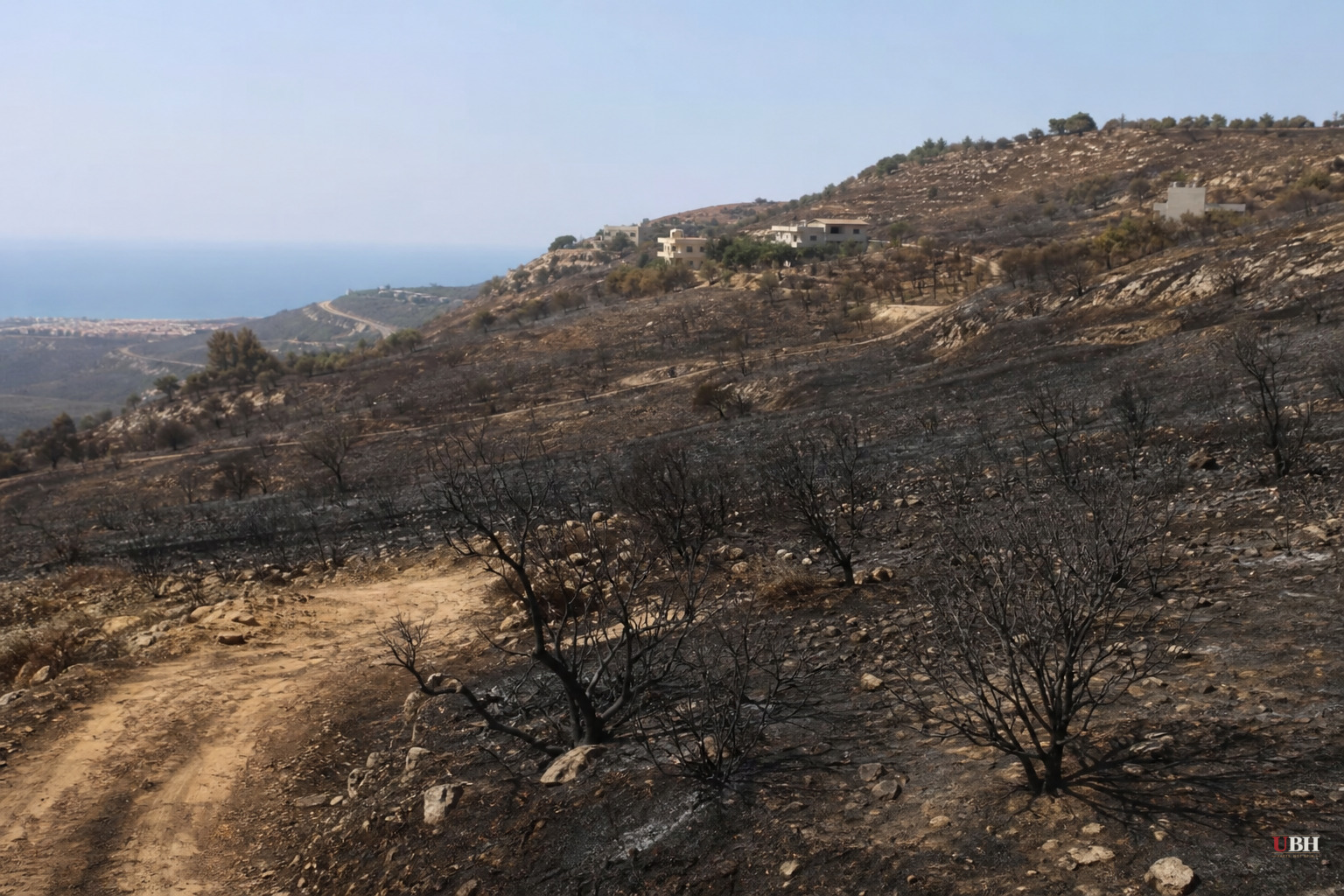
Firefighters in southern Lebanon say the Israeli military has been deliberately igniting wildfires across the border region for weeks, using drones, flares and incendiary shells to torch olive groves and woodland that survived nearly two years of fighting with Hezbollah, according to The Guardian.
The head of civil defense in the Nabatieh region, Hussein Fakih, told The Guardian his crews are now spending most of their time fighting fires rather than anything else. He estimated 30-40% of the land near the front line has burned. "They started doing this right after the ceasefire, and there have been incendiary bombs every day," Fakih said, describing small drones dropping incendiary material, white phosphorus shells fired into woodlands, and flares dropped during daylight hours specifically to ignite dry vegetation.
A June 17 ceasefire mostly ended the fighting between Israel and Hezbollah. It has not stopped the fires. On Tuesday, Israeli forces dropped flares in a wooded area near Khiam that sparked a blaze. When firefighters moved in, a drone struck nearby and forced them to pull back, Fakih said.
Similar incidents have played out elsewhere. Samir Hardan, the civil defense station chief covering the Kfarchouba area, told The Guardian a drone-dropped munition started a fire there on a Friday afternoon in early August. Crews fought it through the night and put it out by Saturday, only for a second drone to spark another fire on Sunday. Israeli munitions also caused large wildfires between Jezzine and the western Bekaa valley the same week, according to residents and firefighters cited by The Guardian.
Firefighters don't have free rein to respond. Under the post-ceasefire arrangement, Lebanese crews must coordinate movements through the Lebanese army, which relays requests to a "deconfliction" group that includes the Israeli military. In the Kfarchouba case, firefighters said they were only granted permission to fight fires at two specific spots, while blazes raged unchecked elsewhere.
Lebanese conservation groups say this fits a longer pattern. Hisham Younes, founder of the group Green Southerners, described the affected areas as long-established woodlands of stone pine and oak that serve as critical habitat and a resting ground for migratory birds. He and other environmentalists argue the fires are part of a sustained Israeli practice of targeting Lebanon's natural landscape, not incidental battlefield damage.
Common Dreams, citing reporting from The Guardian, adds testimony from displaced residents of the southern town of Yaroun. Mayor Hafez Ghasham told The Guardian that Israeli forces had already bulldozed the village before soldiers set fire to what remained, including centuries-old olive groves. "They had already bulldozed the whole village. Then they set fire to the trees," Ghasham said, describing trees inherited across generations that also served as a primary income source for residents. He said the intent was to make the land "uninhabitable."
Common Dreams places the fires in the context of Israel's broader military posture in Lebanon since March, when Israel renewed strikes on Hezbollah as the wider Israeli-Iran confrontation escalated across the region. The outlet notes Israeli forces have continued to occupy roughly 20% of Lebanese territory since the ceasefire and cites Defense Minister Israel Katz's own statement that Israeli forces have destroyed 24 Lebanese villages, some "hundreds of years" old. Common Dreams also draws an explicit comparison to Gaza, quoting Responsible Statecraft editor Kelley B. Vlahos saying Israel "reportedly started" wildfires as a military tactic "while the rest of the world is trying to put out forest fires this summer."
The comparison to Gaza and the framing of a deliberate "Gaza model" applied to Lebanon is Common Dreams' interpretation, built on Katz's public comments and the outlet's own characterization rather than an official Israeli statement confirming a strategy of environmental destruction. No Israeli military statement addressing the wildfire allegations specifically appears in either source. The core, verifiable facts are narrower: multiple named Lebanese civil defense officials describe a documented pattern of drone-dropped incendiary material, phosphorus shells and flares igniting fires in specific, named locations over specific dates in July and August, and describe being blocked or endangered while trying to extinguish them.
The Israeli military has not provided direct confirmation of the allegations. Neither source includes an on-record Israeli Defense Forces response to the specific firefighter and mayoral accounts of deliberate arson, leaving the allegation of intent versus the observed pattern of fires following Israeli strikes unconfirmed by the accused party. Lebanon's government has not announced any formal international complaint or investigation tied to these specific incidents as of this reporting.
Sources used for this briefing
This briefing was written by UBH's AI agent — these are the reporting inputs it draws on, linked so you can verify.


