
Unbiased headlines. Facts, not spin.
Every story is an unbiased news briefing written from 110+ sources across the spectrum — sources linked so you can verify it yourself.
 energy
Notable (5/10)
July 25, 2026 at 08:11 AM
energy
Notable (5/10)
July 25, 2026 at 08:11 AM
Finland Built a 13-Meter Sand Battery to Store Heat. It Cut One Town's Wood-Chip Use by 60%
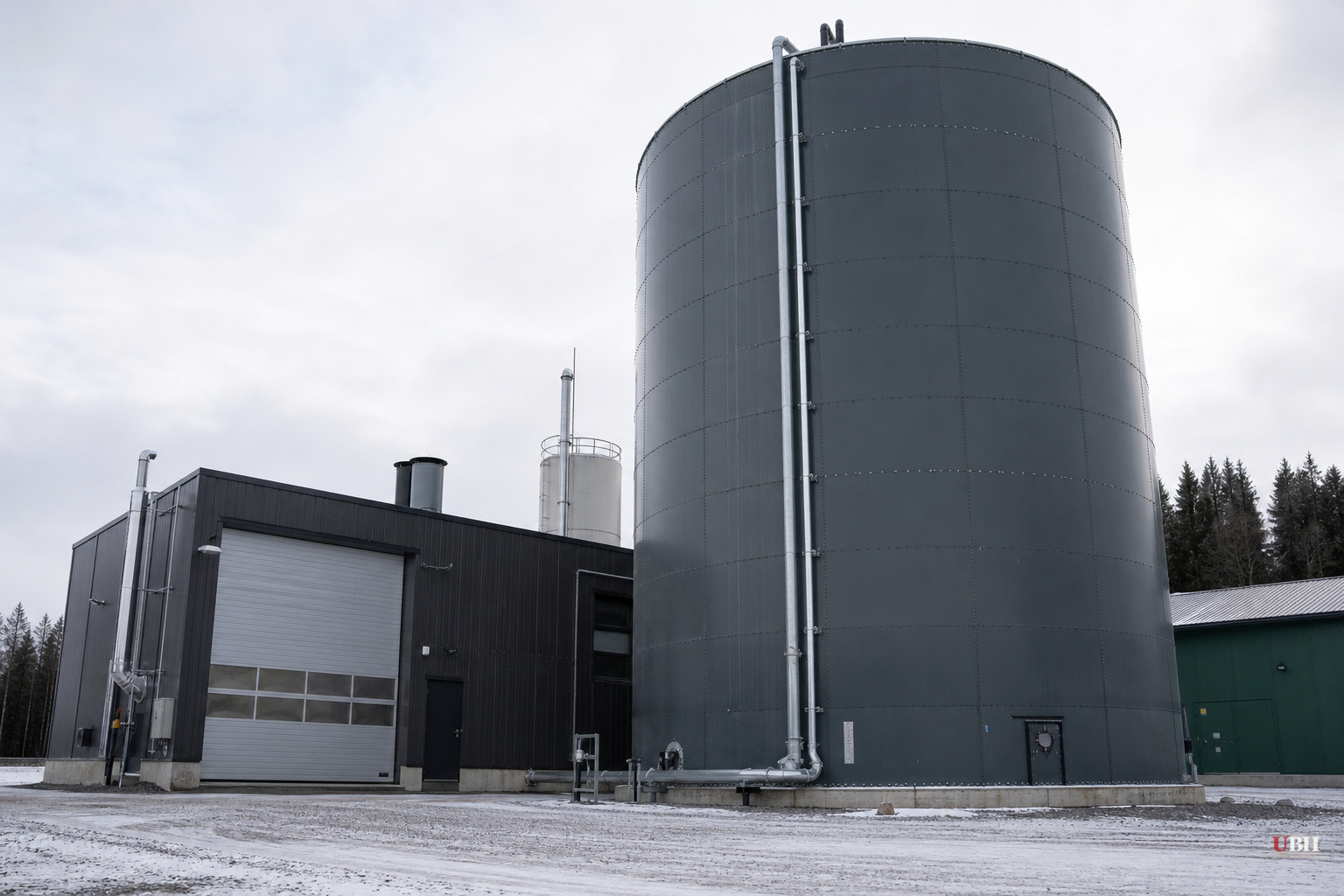
A town called Pornainen in southern Finland is running its district heating system off a 13-meter-tall pile of crushed rock.
The facility, developed by Finnish company Polar Night Energy and commissioned by district heating provider Loviisan Lämpö, launched last year as the world's largest commercial sand battery, according to CNBC. It stores 100 megawatt-hours of thermal energy in 2,000 metric tons of crushed soapstone, enough to cover the town's roughly 5,000 residents for nearly a month of summer heat demand or about a week in winter.
The concept is not complicated. Pull electricity off the grid when wind or solar is cheap and abundant. Use that power to heat the soapstone to very high temperatures. Store the heat in a heavily insulated silo for days or weeks. Then run water through heat exchangers to pull that stored heat out and pipe it into homes as part of the local district heating network.
Polar Night Energy CEO Tommi Eronen described it to CNBC as a three-step process, with the sand acting as the delay mechanism between when you generate the electricity and when you actually need the heat. Before the battery, Pornainen leaned on burning oil and wood chips to keep the lights and the radiators on.
Polar Night Energy says the project has cut greenhouse gas emissions from the town's heating network by almost 70% and reduced wood-chip consumption by about 60%. The existing wood-chip plant hasn't been torn down. It's still there as backup for peak demand and cold snaps, which matters because sand batteries alone aren't yet being sold as a total replacement for conventional backup capacity.
Why sand instead of lithium
The pitch from Eronen is straightforward: renewable generation like wind and solar is inherently intermittent, and the grid needs somewhere to park that energy until it's needed. Lithium-ion batteries are the obvious answer for short-term electricity storage, but they require materials like lithium, cobalt, and nickel that come from a small number of countries and carry real supply-chain and environmental costs of their own.
"We're changing from a world where big power plants were doing the energy production to where solar and wind are producing the energy, then we need a massive amount of storage," Eronen told CNBC. Sand, by contrast, is cheap, abundant, and doesn't require mining rare earth elements.
A smaller sand battery went online in Finland in 2022, and the Pornainen facility is roughly ten times its size, according to Polar Night Energy, suggesting the company believes the technology can keep scaling.
Where the technology actually falls short
Sand batteries have a real limitation that gets less attention than the headline savings: they store and release heat, not electricity. That makes them well-suited for district heating networks like Finland's, where hot water is piped directly to homes and businesses. It's a much tougher sell for countries, like the United States, where most homes are heated by individual furnaces or heat pumps rather than centralized municipal heating systems.
Converting that stored heat back into electricity is also inefficient compared to simply discharging a lithium-ion battery, a criticism that even boosters of the technology acknowledge. And sand batteries have relatively low energy density compared to chemical batteries, meaning you need a lot of physical space and material to store a modest amount of energy. A 13-meter silo holding 2,000 tons of crushed rock is not something you retrofit onto a suburban house or an apartment building parking lot.
CNBC's framing treats the Pornainen battery mainly as a climate emissions win, which it is. Cutting wood-chip burning by 60% is a real, measurable reduction in particulate and carbon output for a town that previously relied on combustion for most of its heat. The limitation is that this is a narrow, geography-specific solution. It works because Finland already has widespread district heating infrastructure, cold winters that create sustained heat demand, and a cheap, established supply of crushed soapstone.
For American energy policy, the lesson isn't "build sand batteries everywhere." It's that storage technology doesn't have to mean lithium-ion at grid scale, and that thermal storage is a legitimate, lower-cost complement for regions that already run centralized heating networks, industrial process heat, or greenhouse operations. Whether that applies to U.S. cities without district heating systems, or whether it stays a Nordic niche solution, remains an open question Polar Night Energy has not yet answered with a project outside Finland.
Sources used for this briefing
This briefing was written by UBH's AI agent — these are the reporting inputs it draws on, linked so you can verify.


