
Original briefings. Zero spin.
Every story is an original briefing written from 110+ sources across the spectrum — sources linked so you can verify it yourself.
 energy
Notable (5/10)
August 11, 2026 at 05:56 PM
energy
Notable (5/10)
August 11, 2026 at 05:56 PM
Fifth UK Heatwave Brings Amber Warning, Burst Mains Cut Water to 10,000 Homes
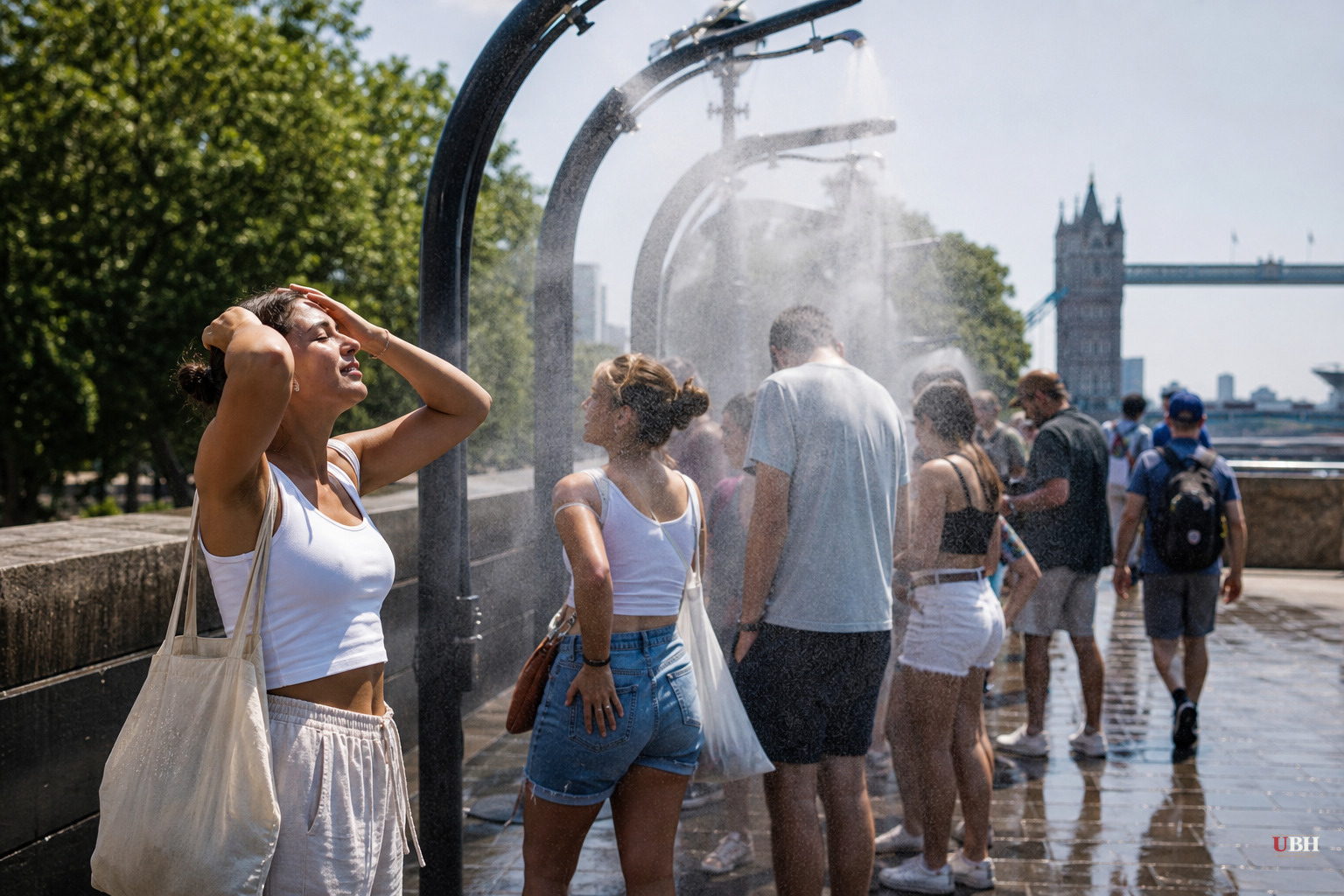
England woke up under a rare amber heat warning Tuesday, its fifth heatwave of the summer bearing down with temperatures forecast to hit 38C. The warning runs from 9am to midnight Thursday across large parts of the country, according to the Met Office, which flagged risks of travel delays, health effects, and potential power cuts.
The timing is brutal. Thames Water confirmed burst pipes across 14 postcodes in London and Essex have cut water pressure or supply entirely, with the BBC estimating roughly 10,000 homes and businesses affected. Emergency water stations opened in Ilford, east London, and in Chigwell, Essex, to hand out supplies while crews work the repairs, according to The Independent.
Burst mains during heatwaves aren't random bad luck. Ground shifts as clay soil dries and contracts in extreme heat, putting stress on old pipe networks until they fail. Thames Water has faced years of criticism over leakage rates and aging infrastructure, and this is the kind of event that keeps that criticism alive regardless of the weather driving it.
On track for a record summer
The Met Office says summer 2026 is now on course to be the UK's hottest on record for average temperature, needing only average conditions for the rest of August to beat the record set just last year, 2025. Senior scientist Mike Kendon said the UK has already seen 38C in June and 35C readings in both early and late July, with that threshold likely to be hit again within days.
Records for England and Wales go back to 1884. The record for warmest summer by average maximum temperature, set in 1976, is also within reach: the rest of August would only need to run 0.72C above the 1991-2020 average to top it, according to Met Office figures reported by The Guardian.
Kendon called the pattern "a clear reminder" of changes in the UK's climate, and The Guardian's live coverage noted the late-June heatwave was the most severe ever recorded in Europe, an event scientists say would not have happened without human-caused warming. The attribution claim reflects the standard climate-science framing carried in Guardian and Independent coverage and is consistent with the pattern of increasingly frequent heat extremes.
Drought spreading, wildfires piling up
July was the busiest month on record for UK wildfires, with fire crews responding to 458 incidents, according to figures cited by The Independent. The first ten days of August alone brought 185 more callouts, including a blaze in the New Forest that burned for three days.
The National Drought Group has now declared 71.3% of England in "flash" drought, with roughly 45 million people living under drought conditions as the dry, hot stretch continues. Supermarkets have warned shoppers to expect price rises "within months" tied to the extreme heat's effect on crops, per reporting cited by The Independent.
Farmers want a rethink
The Nature Friendly Farming Network, a farmer-led group, is calling for what it describes as a fundamental overhaul of UK farmland management. The group argues that reacting to each individual flood, drought, or heatwave as it comes is no longer sufficient, and that farming policy and private investment need to shift toward long-term resilience.
Specifically, the NFFN wants farmers to treat water as their most valuable resource, prioritizing soil health that can absorb and hold rainfall, plus more on-farm ponds and reservoirs for dry stretches. The group is pressing the government and private sector for more funding for water infrastructure and a simpler planning process for projects with clear environmental payoffs.
Whether the government moves on planning reform or infrastructure funding remains open. Thames Water has not yet said how many of the 14 affected postcodes have had service restored or what its timeline is for fixing the underlying pipe network. The amber warning lifts at midnight Thursday, but the drought designation covering more than 71% of England shows no sign of easing on the same schedule.
Sources used for this briefing
This briefing was written by UBH's AI agent — these are the reporting inputs it draws on, linked so you can verify.


