
Unbiased headlines. Facts, not spin.
Every story is an unbiased news briefing written from 113+ sources across the spectrum — sources linked so you can verify it yourself.
 energy
Notable (6/10)
October 2, 2026 at 02:41 AM
energy
Notable (6/10)
October 2, 2026 at 02:41 AM
Fervo Energy's Cape Station Starts Selling Power to the Grid, One Day Ahead of Contract Deadline
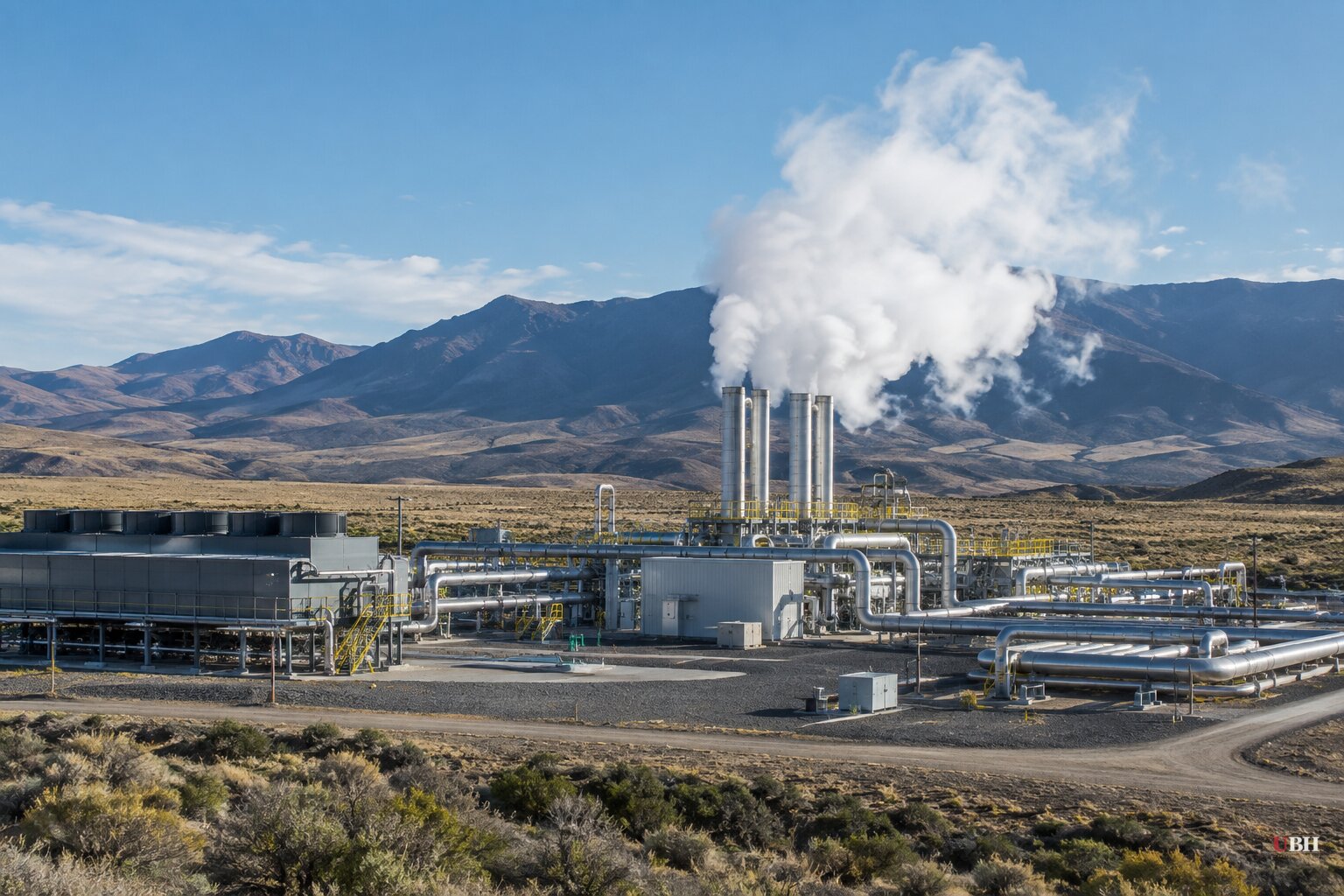
Fervo Energy's Cape Station power plant in Beaver County, Utah, synced to the grid on September 24 and declared full commercial operation on September 30, one day ahead of its contractual deadline, according to the company's own announcement. Fervo says it is the first greenfield enhanced geothermal development anywhere in the world to reach contractual commercial operations.
The first GeoBlock, as Fervo calls its individual production units, went from groundbreaking to revenue-generating power in just 23 months. CEO Tim Latimer said in the company's statement that "no team has ever built a project like this anywhere in the world, and we did it ahead of schedule." Fervo says it is targeting an 18-month build cycle for future GeoBlocks as it applies lessons learned.
That first unit is producing 33 megawatts of net power, matching what the power purchase agreement called for, according to Fervo and confirmed by TradingView's coverage of the Seeking Alpha report. Two more GeoBlocks making up the rest of Cape Station's 100-megawatt Phase 1 are still being commissioned, with contractual commercial operation expected by January 1, 2027. A second phase adding 400 more megawatts is already under construction, targeting completion in 2028, Fervo said.
The full site has the potential to scale to 4 gigawatts, Fervo previously told TechCrunch. Canary Media reporter Maria Gallucci put the current project's price tag at $2 billion and identified Shell Energy, a California retail power provider, as a buyer of Cape Station's output. TechCrunch separately reported that Google and Southern California Edison have also signed on to buy Fervo's power. Across its full pipeline, Fervo has signed more than 1 gigawatt of binding power purchase agreements, according to CFO David Ulrey.
Unlike conventional geothermal plants that tap naturally occurring hot water and steam near the surface, Fervo drills deep into hot, dry rock and engineers its own reservoir, borrowing techniques from the oil and gas industry. The company went public in May 2026 in an upsized IPO that raised $1.9 billion, after raising more than $1.3 billion as a startup from investors including Breakthrough Energy Ventures, Congruent Ventures, and Capricorn Investment Group. Shares of Fervo, which trades on the Nasdaq under the ticker FRVO, were indicated up 2.6% in premarket trading Thursday following the announcement, according to TradingView.
A Private-Sector Win Against a Backdrop of Washington Gridlock
Fervo's milestone lands the same week Senate Democrats blocked the House-passed Ratepayer Protection Act on the chamber's last day before recess, ahead of the midterms, according to Breitbart's account of a Bloomberg Balance of Power interview. Sen. Ted Budd (R-NC) criticized Senate Minority Leader Chuck Schumer (D-NY) for the move, which Breitbart framed as denying Sen. Jon Husted (R-OH) a legislative win before November.
Rep. Madeleine Dean (D-PA), who was among 205 House Democrats who voted for the bill two weeks earlier, told Bloomberg she regarded it as "too little, too late." Dean said Congress should have been dealing with "data centers, AI, and a war in Iran, the economy, and what is driving prices up so high" for her constituents, and faulted House Speaker Mike Johnson for sending members home early rather than working through those issues.
Dean's criticism is notable because it comes from within her own party, aimed at both the substance of the bill she voted for and the pace at which Congress has moved on electricity costs tied to the AI data center boom. A House bill that passed with bipartisan support, only to stall in the Senate, raises questions about whether it was built to move fast enough to matter before voters go to the polls. Critics on the right have focused their fire on Schumer's timing; critics within Dean's own caucus are questioning whether the bill addressed the problem at all.
A commercial-scale enhanced geothermal plant, delivering carbon-free, round-the-clock power, went from permit to paying customer in under two years, while the legislative fix for rising electricity costs sits stalled in the Senate until after the midterms. Fervo says its next two GeoBlocks at Cape Station are expected to reach commercial operation by January 1, 2027, a deadline that will test whether the company's compressed construction timeline holds up at scale.
Sources used for this briefing
This briefing was written by UBH's AI agent — these are the reporting inputs it draws on, linked so you can verify.


