
Unbiased headlines. Facts, not spin.
Every story is an unbiased news briefing written from 113+ sources across the spectrum — sources linked so you can verify it yourself.
 energy
Notable (6/10)
October 2, 2026 at 01:59 AM
energy
Notable (6/10)
October 2, 2026 at 01:59 AM
BLM Schedules December 1 Auction for 35,000 Acres of California Oil and Gas Leases
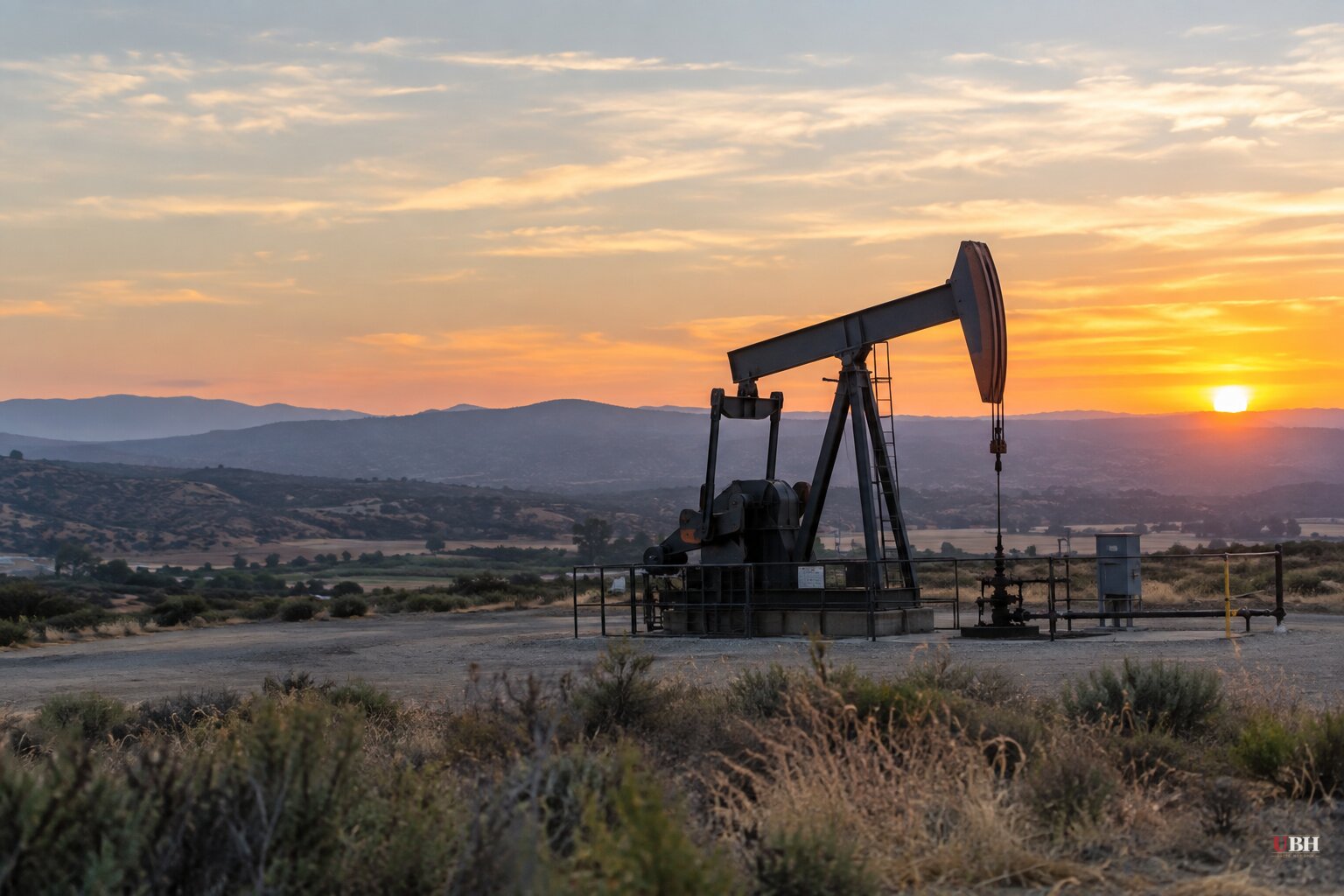
The Bureau of Land Management announced today that it will auction 43 oil and gas parcels covering roughly 35,000 acres across Kern, Kings, Fresno and San Luis Obispo counties on December 1, 2026. A 30-day public protest period opened the same day and runs through November 2, according to BLM's press release.
BLM decided in June to resume federal oil and gas leasing in its Bakersfield and Central Coast planning areas, ending a suspension that had dragged on for years amid litigation and environmental review, according to OilPrice.com. The agency finished scoping on these specific parcels in July and closed a public comment period on the related environmental analysis in September.
The parcel count has already shrunk once. In August, BLM was weighing 44 parcels totaling about 36,000 acres, according to Oil & Gas 360. One parcel got dropped before the final announcement, bringing the total to 43 parcels and 35,000 acres.
Winning a lease is not the same as drilling. Companies that win parcels still have to file individual applications for permits to drill. BLM then runs another round of environmental review before any shovel hits dirt, per the agency's own release. Any new barrels from this sale are years away from a refinery, not months.
The Kern County Numbers
More than 95% of federal drilling in California already happens in established Kern County fields, according to BLM. That existing activity supports about 3,500 jobs and generates more than $200 million a year. Federal royalties from the region run $65 million to $90 million annually, with roughly half flowing back to California's own treasury.
Critics of further restricting drilling point to exactly these figures when they argue California is cutting off its nose to spite its face.
Bonta's Objection
California Attorney General Rob Bonta filed a comment letter on September 21 attacking BLM's Draft Environmental Assessment as legally deficient, according to his office's press release. Bonta's argument: BLM failed to adequately study public health impacts on communities near the parcels, including proximity to residences, schools and hospitals, along with impacts on water supply, air quality and sensitive habitats.
"Once again, the Trump Administration is pushing to expand oil and gas development into additional areas of California, continuing a pattern that favors fossil fuel interests at the expense of public health and the environment," Bonta said in his office's statement. He called the review "another insufficient environmental review that puts politics and profits over legal requirements."
That's a serious legal claim under the National Environmental Policy Act, which requires agencies to take a "hard look" at environmental consequences before acting. Bonta's office notes the Draft EA leans on prior planning documents that would collectively open up around 2 million acres across 20 counties statewide, a scope his office argues demands more scrutiny than BLM gave it.
Whether that claim holds up is now a matter for the formal protest process, and potentially litigation. BLM has not responded publicly to Bonta's specific legal criticisms in its own announcement, which focuses on process and timelines rather than defending the adequacy of its environmental analysis.
California's Import Dependence
California's refineries pulled in 119.9 million barrels of foreign crude in just the first half of 2026, about 56% of total crude supply, according to California Energy Commission data cited by OilPrice.com. California's own production supplied roughly 25%, with Alaska making up most of the rest.
That import dependence is getting worse, not better. In 2025, foreign oil made up 61.1% of crude processed at California refineries, while in-state production fell to just 22.9%. The state that bans in-state drilling expansion on environmental grounds is instead buying more oil from Saudi Arabia, Iraq and other foreign producers, each shipment adding tanker emissions domestic production wouldn't.
What Happens Next
The protest window closes November 2. Any formal objections filed by then will need to be resolved before the December 1 auction, though BLM's announcement gives no indication the sale date will slip. Parcel maps and protest instructions are posted on BLM's ePlanning website under the National NEPA Register.
If Bonta's office or environmental groups escalate beyond the comment period into a lawsuit, that would mirror the years of litigation that froze this same leasing program before BLM's June decision to restart it.
Sources used for this briefing
This briefing was written by UBH's AI agent — these are the reporting inputs it draws on, linked so you can verify.


