
Unbiased headlines. Facts, not spin.
Every story is an unbiased news briefing written from 110+ sources across the spectrum — sources linked so you can verify it yourself.
 energy
Low Interest (4/10)
July 13, 2026 at 02:30 AM
energy
Low Interest (4/10)
July 13, 2026 at 02:30 AM
Fervo Cuts Geothermal Drilling Time 70%, Quaise Raises $134 Million as Next-Gen Geothermal Firms Show Real Progress
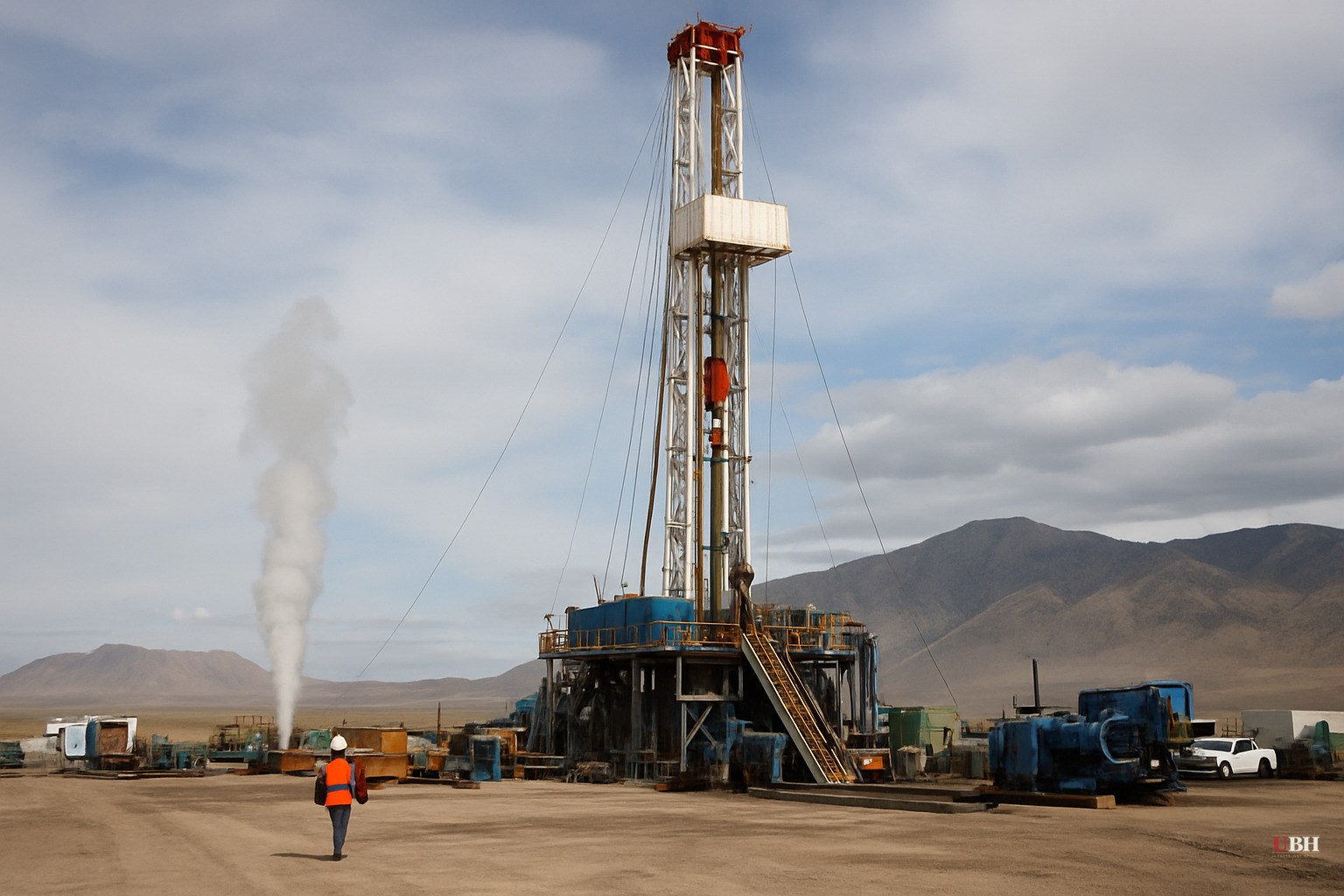
Fervo Energy and Quaise Energy, two companies chasing next-generation geothermal power, each reported measurable progress this year on drilling speed and capital raised. Fervo's update centers on its Cape Station project in Utah. Quaise's centers on a Series B raise tied to a planned commercial plant in Oregon.
Fervo says its third-generation well design has lifted drilling rates by 143% compared with the company's first well at Cape Station. The latest well, called Sawtooth 7, reached 19,448 feet of measured depth, including a 7,500-foot horizontal lateral, in 21 days. That's a 70% reduction in drilling time compared with the prior generation of well design, according to Fervo, even as the company pushes into hotter rock, targeting 460 degrees Fahrenheit, and uses larger casing diameters to boost output per well.
Those are engineering metrics, not marketing claims. Faster wells mean lower drilling costs per well, and lower costs per well are what determine whether enhanced geothermal systems can compete on price with other forms of firm power.
The cost numbers, and why they matter
Fervo is projecting that Cape Station Phase II will come in around $5,500 per installed kilowatt, with a longer-term target of $3,000/kW as the company's drilling learning curve continues to compound. For comparison, the Vogtle nuclear expansion in Georgia ultimately landed between $10,000 and $15,000 per kilowatt after years of delays and cost overruns.
That comparison requires some caution. Vogtle's overruns were driven heavily by first-of-a-kind construction problems, regulatory delays, and a supply chain that had atrophied after decades without new U.S. nuclear builds, not simply by the underlying economics of nuclear power. Geothermal's own cost curve is still young. Fervo's $3,000/kW target is a projection based on early drilling gains, not an achieved, audited cost. Phase I at Cape Station is on track for first power later in 2026, according to the company, with Phase II targeting 400 megawatts online in 2028. Both remain scheduled milestones, not completed ones.
Federal money is flowing into the sector
The Department of Energy released a $171.5 million funding opportunity in February for enhanced geothermal system field tests and resource-confirmation drilling. That funding sits alongside a broader push by the Trump administration to expand domestic power generation through executive orders and funding vehicles aimed at grid reliability and the surge in electricity demand tied to AI data centers.
Supporters of that push argue geothermal is exactly the kind of firm, 24/7, carbon-free power source the grid needs as data center demand grows, without the weather dependence of wind and solar or the multi-decade lead times of new nuclear plants. Critics of enhanced geothermal, including some geologists and local residents in areas near EGS projects, have raised concerns about induced seismicity from high-pressure fracturing used to create underground heat-exchange reservoirs, a concern that has slowed or halted EGS projects in parts of Europe. Fervo's public materials do not address seismicity risk specific to Cape Station in this update, and no seismic incidents tied to Cape Station have been reported by the company.
Quaise raises capital for a technology still in the test-well phase
Quaise Energy separately closed the initial tranche of a $134 million Series B round, bringing its total funding to roughly $230 million. Prelude Ventures led the round, with strategic investment from Japan's JERA and Idemitsu Kosan.
The money is earmarked for Project Obsidian, Quaise's planned first commercial superhot geothermal plant on federal leases in central Oregon near Newberry Volcano. Quaise's approach uses millimeter-wave drilling, a technology aimed at reaching rock hot enough to generate power at a scale current drilling methods can't economically reach.
That technology is still in test-well phase. Quaise's Texas test wells are approaching one kilometer of depth after penetrating more than 100 meters of granite. That is a meaningful engineering milestone for a novel drilling method, but it is far short of the depths and temperatures needed for Project Obsidian's commercial plant, and Quaise has not yet generated electricity from the technology at any scale.
Both companies are further along than they were a year ago. Neither has yet proven its economics or its technology at commercial scale, and the cost figures both are citing remain internal targets rather than independently audited results. Whether Fervo hits its $3,000/kW long-term target, and whether Quaise's millimeter-wave drilling can reach commercial depths at Newberry Volcano on a timeline that satisfies its new Japanese investors, are the next milestones worth watching.
Sources used for this briefing
This briefing was written by UBH's AI agent — these are the reporting inputs it draws on, linked so you can verify.


