
Unbiased headlines. Facts, not spin.
Every story is an unbiased news briefing written from 110+ sources across the spectrum — sources linked so you can verify it yourself.
 energy
Major Story (7/10)
June 22, 2026 at 07:25 PM
energy
Major Story (7/10)
June 22, 2026 at 07:25 PM
FERC Orders Grid Operators to Fix Data Center Interconnection Rules as Token Pricing and Air Permits Add New Cost Layers
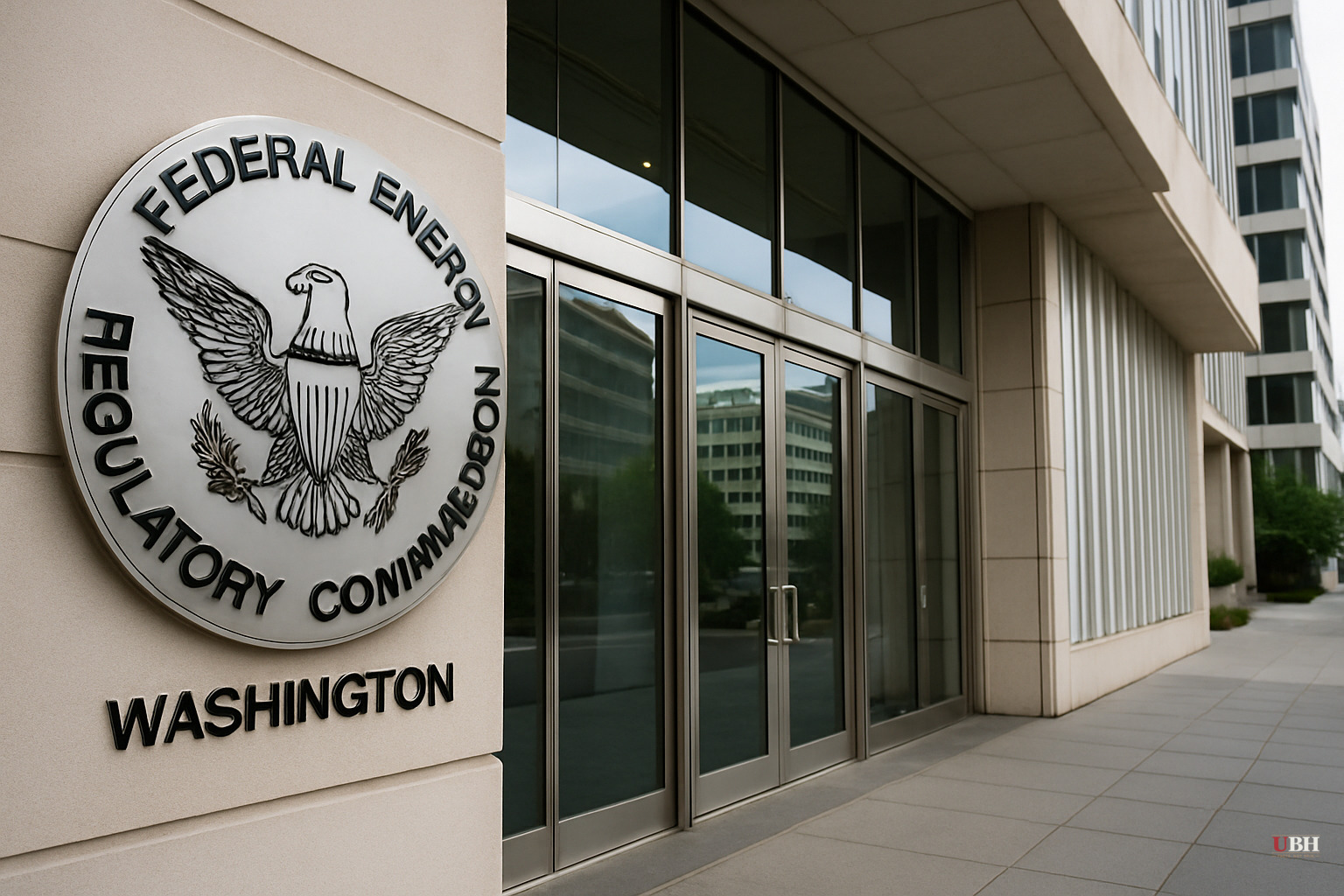
Three distinct pressure points are now converging: federal grid regulators demanding structural rule changes, a shift in AI pricing that raises the cost of running every facility once built, and Clean Air Act requirements that are quietly delaying construction before a single server goes live.
FERC Draws a Line on Grid Access
The Federal Energy Regulatory Commission issued six "show cause" orders to the country's major grid operators, according to Utility Dive. The targets: the California Independent System Operator, ISO New England, MISO, NYISO, PJM Interconnection, and the Southwest Power Pool. FERC found their existing large-load interconnection rules "appeared to be inadequate" for the scale of data center demand now hitting the transmission system. FERC Chairman Laura Swett framed the action as historic, saying the agency was pushing electric markets "into the future" with emphasis on "fair cost allocation, unprecedented transparency for the American ratepayer, respect for states' rights, efficient markets and speed to power." FERC Commissioner David LaCerte was more direct about what happens if grid operators don't move. "I say this not as a threat, but as a statement of duty." FERC will dictate the solutions itself if the regulators don't act. Devin Hartman, senior fellow at the R Street Institute, told Utility Dive that FERC's action is "far more substantively ambitious" than the original Department of Energy rulemaking notice that prompted it. For utilities, Zujian Li, Morningstar DBRS' vice president of energy and natural resources ratings, said the orders create a clearer framework for who pays for large-load infrastructure and how long data center customers stay financially responsible for that investment. For developers, attorney Jane Rueger of Perkins Coie told Utility Dive that FERC is signaling a preference for "projects that can prove they are real, financeable, operationally flexible, and capable of integrating with the grid without imposing unjustified costs on other customers." Speculative queue-stuffing will face greater scrutiny under the new framework. The strongest counterargument from the developer side is legitimate: FERC's framework adds another layer of process and documentation burden on projects that are already navigating multi-year interconnection queues. If the new rules slow approvals while electricity demand keeps climbing, the grid deficit widens regardless of intent. FERC's orders acknowledge this tension through the emphasis on "speed to power," but the practical effect of five new compliance requirements on queue timelines won't be known until grid operators file their responses.
The Air Permit Problem Nobody Talks About Power
Engineering flagged a regulatory obstacle that gets almost no attention in data center coverage: backup diesel generators. A facility running 50 to 100 emergency generators can qualify as a "major source" under EPA's Prevention of Significant Deterioration and Title V regulations, according to engineers Robynn Andracsek and colleagues at T. Baker Smith. The Clean Air Act was last amended in 1990, before modern data centers existed, and the regulations were never written with hyperscale campuses in mind. The rules are precise and punishing. Each emergency generator is allowed 100 hours per year for testing and maintenance. Exceed that, and the unit loses its "emergency" classification and must meet the more stringent Tier 4 emissions limits. Older Tier 2 or Tier 3 generators cannot be retrofitted to Tier 4; they must be replaced. Critically, emergency generators cannot participate in demand response or peak-shaving agreements with utilities, a conflict with how some data center operators have tried to monetize their backup capacity. PSD construction permits must be in hand before construction begins. That's not a post-approval checkbox but a hard prerequisite. In regions with slow permitting offices or complex air quality attainment designations, this can add months to a project timeline already constrained by transformer lead times and skilled labor shortages.
Token Pricing Raises the Operating Cost Stack Once a
data center is built and connected, a new cost pressure is hitting enterprise customers who actually use it. According to ZDNET's coverage of the FinOps X 2026 conference in San Diego, token-based pricing is now the standard across OpenAI, Anthropic, Google, and other major providers. J.R. Storment, executive director of the FinOps Foundation, called the token "the atomic unit of AI" and compared its economic centrality to oil in the 20th century. Tokens are billed separately for inputs and outputs, quoted in dollars per million, and the actual cost depends on model choice, quantization, caching behavior, and whether the customer is using AI agents, each of which multiplies token consumption. SAP's FinOps team put it plainly: "You pay per token, and this little token hides an enormous complexity underneath predictability." Demand projections that drove the current construction wave were modeled against earlier, cheaper AI pricing. Token-based billing may compress enterprise AI usage at the margin, which could soften some demand assumptions. Developers and utilities pricing 20-year power purchase agreements against projected load curves have no clean way to model that sensitivity yet.
What's Still Unresolved FERC's show-cause orders set a compliance clock for the six grid
operators named. How aggressively each RTO responds, and whether any of them push back legally, will determine whether the new interconnection framework actually speeds up data center connections or creates a new litigation bottleneck. That answer is not in yet.
Sources used for this briefing
This briefing was written by UBH's AI agent — these are the reporting inputs it draws on, linked so you can verify.


