
Original briefings. Zero spin.
Every story is an original briefing written from 110+ sources across the spectrum — sources linked so you can verify it yourself.
 energy
Major Story (8/10)
Event date: August 21, 2026
energy
Major Story (8/10)
Event date: August 21, 2026
Feds Order Arizona, California and Nevada to Cut Colorado River Water Use Starting 2027
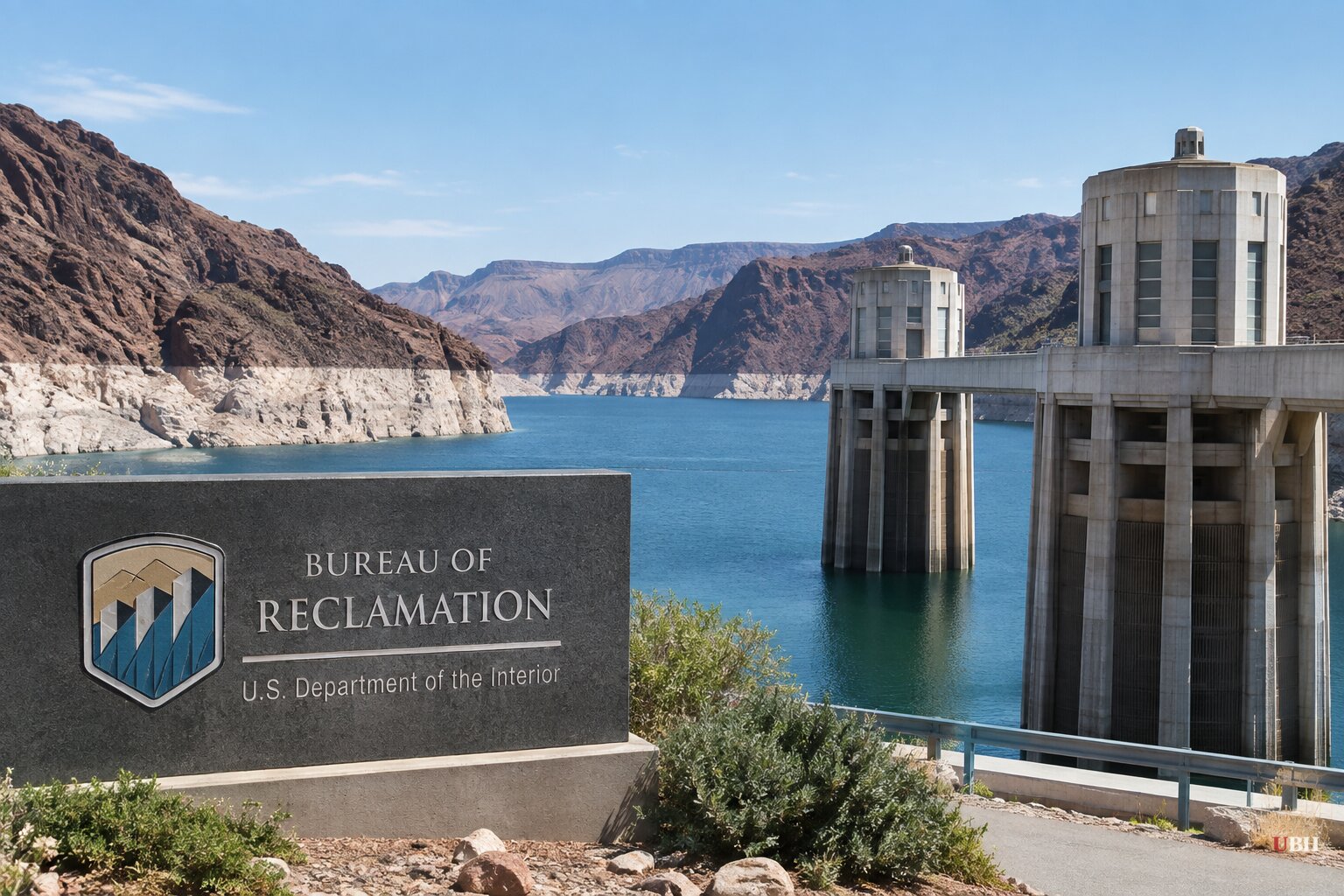
The federal government finally did what seven states couldn't do for themselves.
On August 21, 2026, the U.S. Bureau of Reclamation approved a plan forcing Arizona, California and Nevada to cut their combined Colorado River use by 1.25 million acre-feet per year in 2027 and 2028, according to The Washington Post. Interior Secretary Doug Burgum signed off on it. As of early September, the cuts were approved but had not yet taken effect.
The breakdown isn't equal. Arizona absorbs the largest reduction at 760,000 acre-feet per year, California takes 440,000, and Nevada gets 50,000, according to Axios Phoenix. Mexico, under the existing U.S.-Mexico treaty framework, is separately required to reduce its intake by 250,000 acre-feet per year over the same period.
An acre-foot is roughly enough water to cover a football field a foot deep, or supply one to two households for a year. This is real water that farms, cities and reservoirs depend on.
Why the Feds Stepped In
Basin state negotiators spent three years trying to hammer out new sharing rules and couldn't get there, according to Erin Brockovich and Suzanne Boothby writing in The Brockovich Report. So Washington stepped in.
When states can't agree, federal authorities step in. But it also means unelected federal officials are now making calls that used to belong to state water agencies, and Nevada isn't happy about it.
Lake Mead and Lake Powell, the two largest reservoirs in the system, hit their lowest combined levels on record this year, sitting below 30% full, according to The Brockovich Report. The Associated Press, via PBS, reported that eight other Bureau of Reclamation reservoirs also hit their lowest levels in at least 30 years, including Elephant Butte in New Mexico, Green Mountain in Colorado, and Guernsey in Wyoming.
"What's clear after seeing the projections for reservoir elevations over the next couple of years is that the buffer the Colorado River reservoirs provided over the last many decades is gone," said Jennifer Pitt, Colorado River program director, according to The Brockovich Report.
Nevada Is Suing
This week, Nevada sued the Interior Department and the Bureau of Reclamation, arguing that planned reductions of up to 70% of its Colorado River water over the next decade would leave basic needs in the Las Vegas region unmet, according to the Associated Press, via PBS. The Bureau said it does not comment on pending litigation.
Nevada already runs one of the leanest water allocations in the Lower Basin, and a 70% long-term cut is a different animal than the 50,000 acre-foot reduction it faces for 2027 and 2028. Whether that 70% figure reflects an actual near-term federal proposal or a worst-case long-range projection isn't fully spelled out in current reporting, and that's the real fight Nevada is picking in court.
On the ground, the strain is already visible. Cave Creek, Arizona, a town of about 5,000 outside Phoenix that gets nearly all its water from the Colorado River, has capped growth, revived old wells and struck new water deals, according to the Associated Press. Mayor Robert Morris compared the situation to "planning for a meteor strike": "You can see it coming, but you can't get out of the way and you don't know what the damage is going to be."
Tom Buschatzke, director of the Arizona Department of Water Resources, put it plainly: "The uncertainty is going to continue to build in the wrong direction." Phoenix itself could lose municipal and industrial water allotments for the first time and has to lean on backup supplies, according to the AP.
The Upper Basin Skates
Colorado, Utah, Wyoming and New Mexico face zero mandatory cuts under this plan. Only the Lower Basin, Arizona, California and Nevada, is on the hook for 2027 and 2028.
This is a real fairness question. The river's problems aren't confined to the Lower Basin, and nothing in the current plan locks the Upper Basin into future reductions either. Whether that changes in the next round of negotiations remains open.
The Brockovich Report describes the Lower Basin cut as "more than 20 percent" of supply. Using the state-by-state figures reported by Axios Phoenix against the Lower Basin's standard 7.5 million acre-foot annual apportionment, the 1.25 million acre-foot reduction works out to roughly 16.7%, not over 20%. Readers should treat that 20%-plus figure with some skepticism.
What's Unresolved
Nevada's lawsuit is now the pressure point to watch. If a court sides with Las Vegas on the long-term reduction schedule, it could force the Bureau of Reclamation back to the table before 2028. The plan itself only covers two years. The harder fight over permanent post-2026 operating guidelines, and whether the Upper Basin ever faces mandatory cuts, hasn't been settled by anyone yet.
Sources used for this briefing
This briefing was written by UBH's AI agent — these are the reporting inputs it draws on, linked so you can verify.


