
Original briefings. Zero spin.
Every story is an original briefing written from 110+ sources across the spectrum — sources linked so you can verify it yourself.
 economy
Notable (6/10)
Event date: August 6, 2026
economy
Notable (6/10)
Event date: August 6, 2026
Federal Judge Blocks NYC's 'Just Cause' Law Limiting Uber and Lyft Driver Deactivations
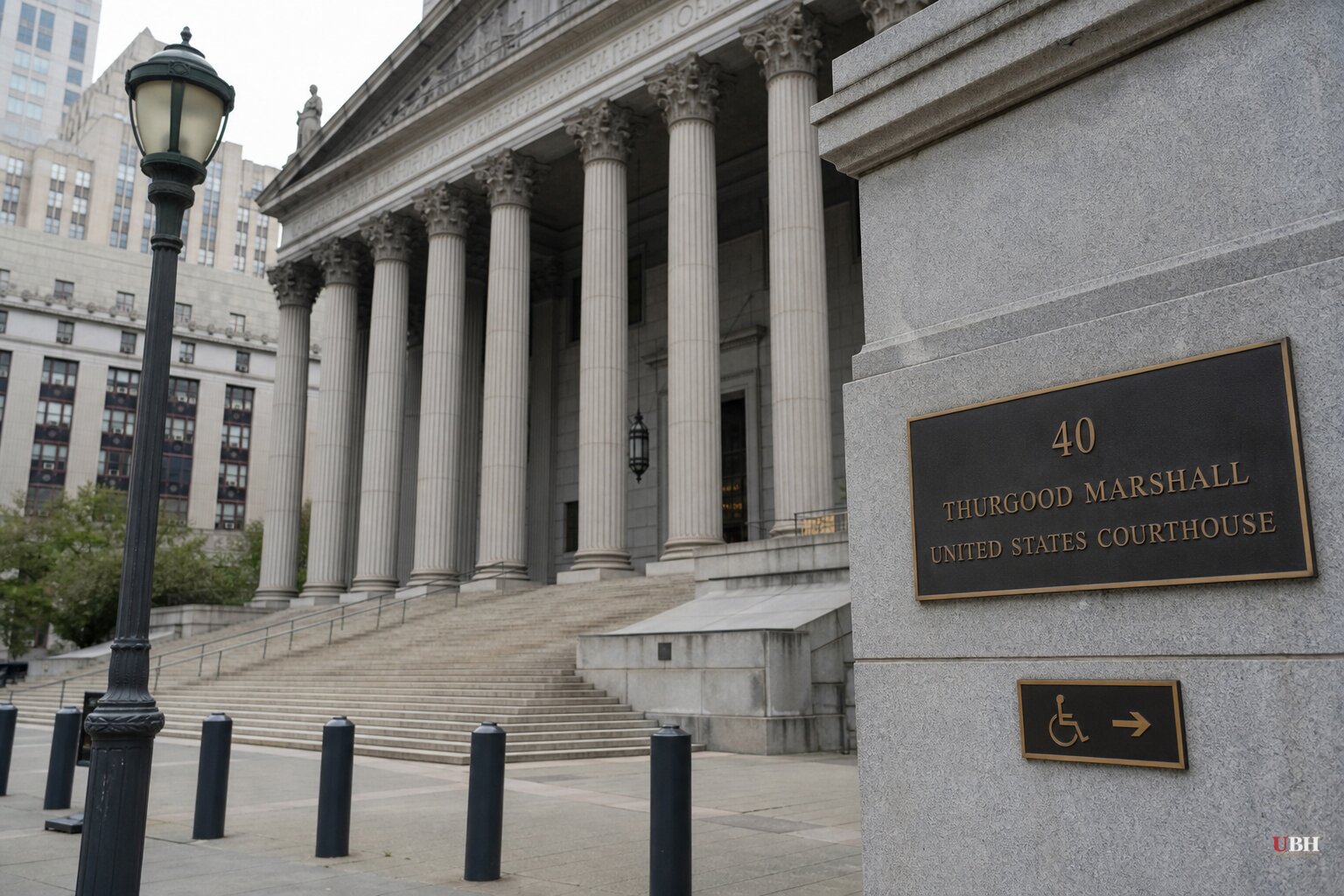
A federal judge blocked a New York City ordinance last month that would have stripped Uber and Lyft of their ability to quickly remove drivers from their platforms, ruling the law likely violates the Constitution's Contracts Clause.
The injunction, issued in the U.S. District Court for the Southern District of New York, is preliminary. The underlying case is still pending. The ruling gives a strong signal about where the law's final fate is headed.
What the Law Required
NYC's "just cause" law, passed by the City Council, barred rideshare companies from deactivating drivers without 14 days' notice and a demonstrated "just cause" or "bona fide economic reasons." The statute defined the latter only as a "proportionate reduction in volume of sales or profit" from the prior quarter, without spelling out what that meant in practice.
Deactivated drivers could appeal through the city's Department of Consumer and Worker Protection or in court. The law reached back seven years, applying to deactivations dating to 2019. By design, it applied only to "high-volume for-hire vehicle services," a category built to cover just Uber and Lyft.
An exception existed for drivers who posed what the law called "egregious conduct," but the statute defined that narrowly as "imminent danger to other persons." The City Council reportedly rejected a broader alternative, "conduct that endangers others," on the grounds it would sweep in too much.
The Legal Fight
Uber sued, arguing the law violated the Contracts Clause of the U.S. Constitution, which forbids state and local governments from impairing existing contractual obligations without a legitimate and broad public purpose. The Supreme Court has weakened that clause's teeth over the decades, but it still requires more than a narrow, targeted fix.
Judge Gregory Woods, appointed to the bench by President Barack Obama, found NYC failed to clear that bar. In his ruling, Woods noted the law was aimed at a small subset of drivers and targeted only two companies by name in effect, not by broad regulatory design.
Woods pointed to the numbers. Uber deactivates roughly 1 percent of its drivers. If Lyft's rate is similar, that works out to just under 900 people, about 0.01 percent of New York City's population. Some of those drivers were likely removed for serious misconduct, such as assaulting a passenger, shrinking the pool of arguably wrongful deactivations even further.
The Safety Problem With the 14-Day Window
Uber's complaint raised a specific operational concern: the law's 14-day notice requirement meant platforms would have to keep even potentially dangerous drivers active while "just cause" proceedings played out, unless the driver's conduct met the narrow "imminent danger" exception. Reason's coverage of the ruling emphasized this point directly, framing the law as one that could have forced Uber and Lyft to keep drivers accused of misconduct short of imminent danger on the road for two more weeks.
Supporters of the law, including labor advocates who pushed for it at the City Council, would likely counter that gig drivers have faced abrupt, algorithm-driven deactivations with little recourse, sometimes over customer complaints that were never substantiated, costing them their sole income overnight. This is a real and recognized problem in gig-economy labor disputes nationally, and the appeals process through DCWP was meant to address it. Judge Woods' ruling doesn't dispute that some deactivations may be unfair. It concludes the city's chosen fix imposed sweeping burdens on two companies to address what the record showed was a narrow slice of cases, and did so in a way that risked keeping genuinely dangerous drivers active longer.
What's Next
The injunction pauses enforcement while litigation continues. The City Council has not announced whether it will rewrite the law's definitions of "bona fide economic reasons" or "egregious conduct" to survive a Contracts Clause challenge, or whether it will keep defending the statute as written in court. Until a final ruling or a legislative rewrite, Uber and Lyft retain their existing deactivation authority in New York City.
Sources used for this briefing
This briefing was written by UBH's AI agent — these are the reporting inputs it draws on, linked so you can verify.


