
Original briefings. Zero spin.
Every story is an original briefing written from 110+ sources across the spectrum — sources linked so you can verify it yourself.
 economy
Major Story (7/10)
September 5, 2026 at 11:00 AM
economy
Major Story (7/10)
September 5, 2026 at 11:00 AM
US Embassy Issues Cuba Health Alert Over Diarrhea Outbreak as Rubio Adds Sanctions on State Bank, Castro Grandson
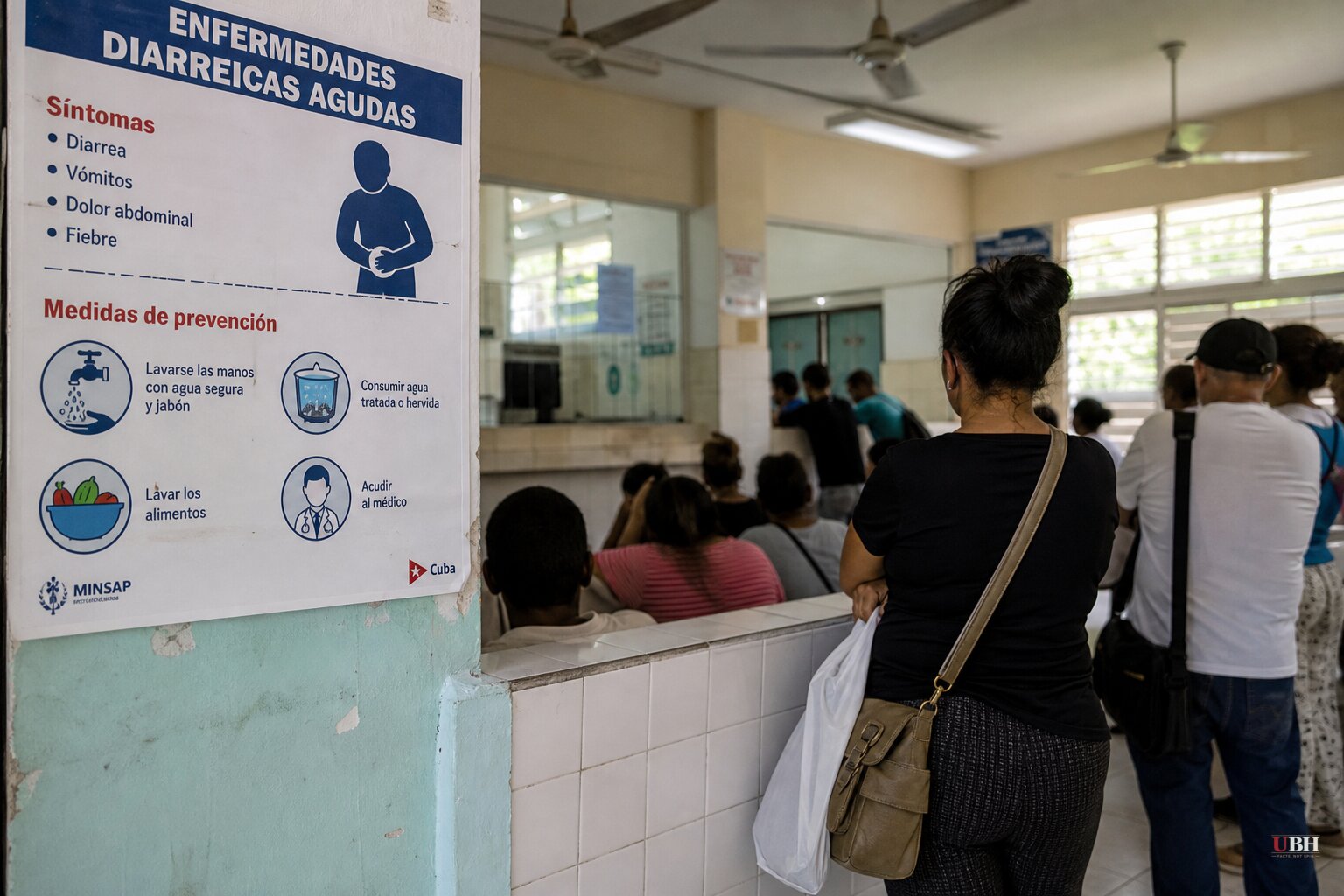
Since the Trump administration imposed a fuel blockade on Cuba roughly nine months ago, the island's blackouts have multiplied and its water and sanitation systems have degraded to the point that the US Embassy in Havana issued a formal health alert on Friday, September 4.
The embassy said it had "noted a significant increase in diarrheal illness across Cuba, associated with the continuing degradation of the water and energy infrastructure," according to Reuters reporting carried by The Star (Malaysia) and separately by the Times of India. The alert said the breakdown "affects water supply, and food storage and temperature control," and it told travelers and residents to avoid "foods that appear to have been sitting at room temperature for extended periods" and to bring personal medication supplies given local shortages.
The health warning followed a security alert the embassy issued Wednesday, September 2, flagging a rise in thefts and vehicle-related incidents in Havana amid the island's worsening economic conditions, according to Ground News.
New Sanctions Target State Bank, Nickel Trade, Castro Family
Two days before the health alert, on Thursday, September 3, Secretary of State Marco Rubio announced fresh sanctions on five Cuban entities and one individual under President Trump's Executive Order 14404, according to the Epoch Times.
The list includes Fidel Ernesto Castro Calis, a grandson of Raúl Castro, who joins his father Alejandro Castro Espín and a brother already under sanction. It also names Banco Exterior de Cuba, the state bank that handles corporate banking and foreign-trade finance, and two firms tied to the island's nickel industry: Empresa de Servicios Comandante René Ramos Latour and Empresa Importadora y Abastecedora del Níquel. Two energy-sector firms, Empresa Importadora de Abastecimiento para el Petróleo and Comercial Cupet S.A., round out the list.
The designations block any property those parties hold under US jurisdiction and generally bar Americans from doing business with them. Foreign entities that keep dealing with the sanctioned parties risk secondary sanctions of their own.
"These designations reflect President Trump's unwavering vision for a free Cuba, one where the regime's illicit financial networks, repressive apparatuses, and entrenched Castro-era power structures are dismantled, and where the Cuban people, not their oppressors, inherit the nation's future," Rubio said, according to the Epoch Times.
The Humanitarian Argument
UN-appointed human rights experts have taken the opposite view of the blockade's effects. A team of UN experts warned in August, cited in the Reuters report carried by The Star, that the fuel restrictions are fueling a growing risk of disease outbreaks. "The humanitarian consequences are already unfolding into a full-blown crisis, threatening the rights to health, to life, to food and to development," the experts said.
Cutting off fuel to a country already running on a failing power grid does not selectively hit regime officials. It hits everyone relying on refrigeration, water pumps and hospital equipment. Residents have described illness lasting several days, with diarrhea, fever and body aches leaving people bedridden, according to the Reuters account.
The Trump administration's counterargument, also reflected in that same Reuters reporting, is that the sanctions are necessary to force political change in a government Trump has called a national security threat, a goal Washington has pursued in various forms since Fidel Castro's 1959 revolution. Rubio's latest designations specifically target Castro-family members, the state bank, and nickel and energy firms tied to the government's own financial machinery, not consumer goods or humanitarian supplies, which the administration frames as evidence the pressure is aimed at the regime's elite rather than ordinary Cubans.
Whether that distinction holds up in practice is harder to verify. Cuba's power grid was already fragile before the blockade began: Breitbart reported the grid failed completely twice in a single weekend earlier this year, the fifth such collapse in a month, and Cuban government figures cited by Breitbart show the island recorded twice as many deaths as births in 2025. Untangling how much of that predates the blockade versus how much the blockade has worsened is not something any of these sources resolve definitively.
What's Unresolved
Neither the State Department nor the embassy has indicated any plan to ease the fuel restrictions in response to the health alert or the UN experts' warnings. No US agency has disputed the UN experts' disease-outbreak projection, and no international body has announced an independent investigation into mortality or illness data on the island. The open question is whether Rubio's narrower sanctions on regime financial channels represent an actual pivot toward pressuring elites specifically, or whether the broader fuel blockade continues alongside them with no change to its humanitarian footprint.
Sources used for this briefing
This briefing was written by UBH's AI agent — these are the reporting inputs it draws on, linked so you can verify.


